
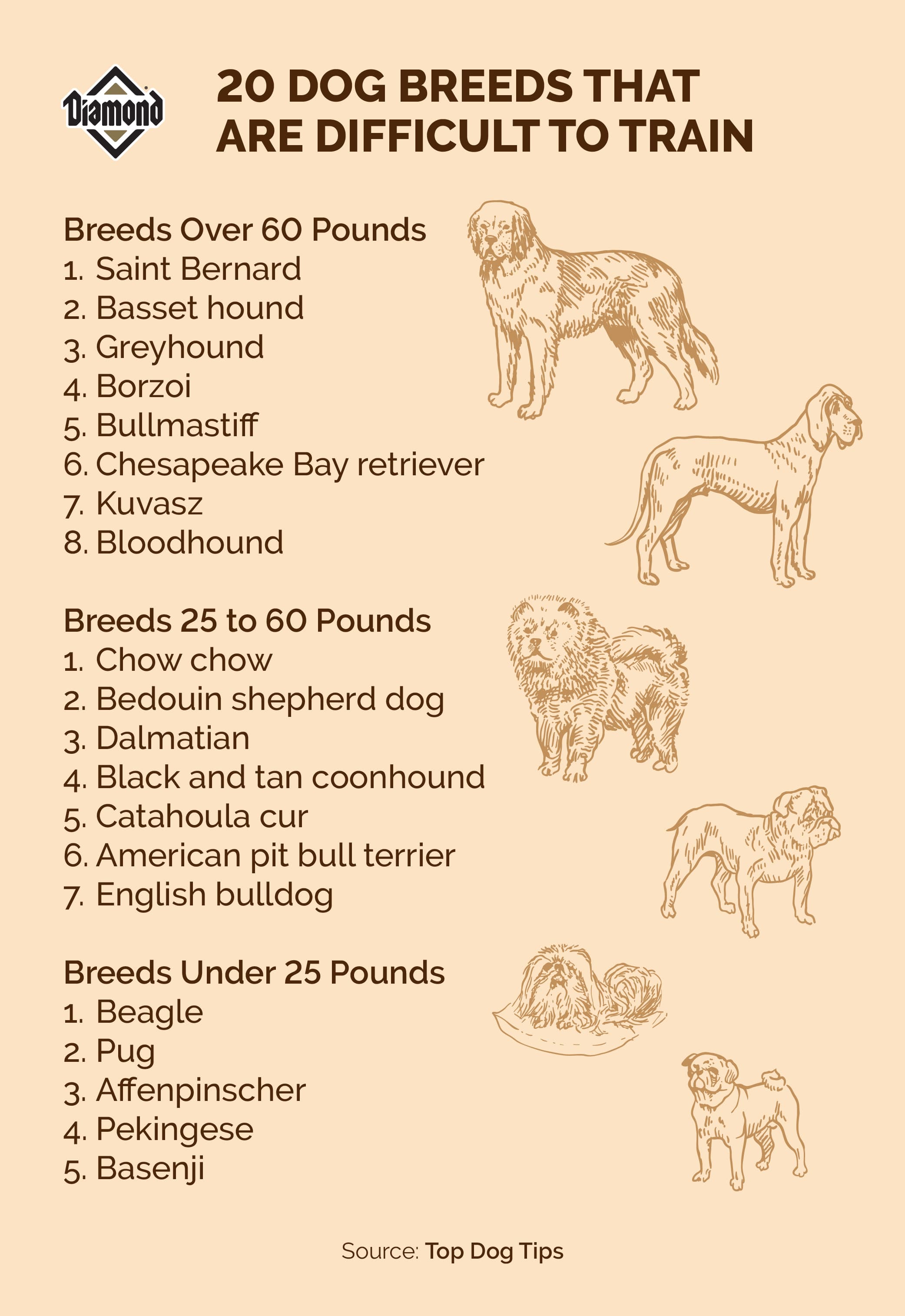
Training your canine companion is one of the most rewarding, and sometimes challenging, aspects of dog ownership. While every dog has their own personality and learning curve, some breeds are known to present a greater training hurdle than others. If you’re embarking on the journey of dog training or considering which breed might be the best fit for your lifestyle and training patience, understanding which dogs are generally considered the hardest to train can be incredibly insightful. This isn’t about labeling breeds as “bad,” but rather acknowledging their inherent traits, intelligence, and strong wills that require a specific approach to effective communication and guidance.
Understanding Why Some Dogs Are “Harder” to Train
Before diving into specific breeds, it’s crucial to understand what makes a dog “hard to train.” It rarely stems from a lack of intelligence. In fact, many dogs considered difficult to train are highly intelligent but possess strong independent streaks, high prey drives, or a tendency to be stubborn.
- Intelligence vs. Trainability: A dog can be brilliant but also incredibly independent. Think of a Border Collie that can learn complex commands but might choose to ignore them if they have a more pressing “job” to do, like herding everything in sight. Conversely, some breeds might be eager to please but not possess the same level of cognitive problem-solving ability.
- Stubbornness and Independence: Some breeds were historically bred for tasks that required them to make decisions on their own. This independence can translate into stubbornness during training sessions if they don’t see the immediate value or if the handler’s commands conflict with their instincts.
- High Prey Drive: Breeds with a strong prey drive might be easily distracted by small animals, moving objects, or even rustling leaves. Their focus is naturally geared towards “the chase,” making it challenging to redirect their attention to training cues.
- Energy Levels: Extremely high-energy dogs, especially puppies, can find it hard to settle down for focused training. Their excess energy needs to be managed and channeled appropriately before they can effectively concentrate on learning.
- Lack of Socialization and Previous Experience: A dog that hasn’t been properly socialized or has had negative training experiences in the past will naturally be more challenging. This is less about breed and more about individual history, but it’s a significant factor.
Top Breeds Often Cited as Difficult to Train
While individual dogs within any breed can defy generalizations, several breeds consistently appear on lists of Dogs That Are Hard To Train. These pups often require experienced owners who can provide consistent, firm, and engaging training.
1. Afghan Hound
Known for their stunning beauty and aristocratic demeanor, Afghan Hounds are also renowned for their independent spirit and selective hearing. They were bred as hunting hounds in the mountainous regions of Afghanistan, where they relied on their keen eyesight and swiftness to catch prey. This heritage has instilled in them a strong sense of self-reliance.
- Why they’re challenging: Afghan Hounds are not motivated by a strong desire to please their owners in the way many other breeds are. Their intelligence is often used to their own advantage, meaning they might only obey a command if they deem it necessary or beneficial. They can be easily distracted by their surroundings and may seem aloof or uninterested in training sessions. Consistency and patience are paramount, and positive reinforcement with high-value rewards is essential.
2. Basenji
The “barkless dog” from Africa, the Basenji, is an ancient breed with a unique set of characteristics. While they are incredibly clean, curious, and intelligent, they possess a strong independent streak and a cat-like personality. Their vocalizations are limited to yodels, whines, and murmurs, which can be endearing, but their desire to do their own thing can be frustrating for trainers.
- Why they’re challenging: Basenjis are not easily coerced into doing something they don’t want to do. They are highly independent thinkers and can be quite stubborn. Early and consistent socialization is crucial, as they can be wary of strangers. Their intelligence means they can also learn undesirable behaviors just as quickly as desirable ones. Training needs to be engaging, short, and fun to hold their interest.
3. Bulldog (English Bulldog)
Despite their lovable, dopey appearance and affectionate nature, English Bulldogs can be quite the challenge when it comes to training. Their history as bull-baiting dogs, though long past, has left them with a tenacious and strong-willed personality. They also have a lower stamina and can be prone to overheating, which needs to be considered during training.
- Why they’re challenging: Bulldogs are known for their stubbornness. They often have a “what’s in it for me?” attitude and can be difficult to motivate if they don’t see the point in a command. They respond best to patient, firm, and consistent training methods that utilize positive reinforcement. Rushing the process or using harsh methods will likely result in them shutting down.
4. Chow Chow
The Chow Chow is a dignified and aloof breed, instantly recognizable by its lion-like mane and blue-black tongue. Bred in China as guard dogs and for fur and meat, they have a protective and independent nature. They tend to bond closely with their families but can be reserved or even suspicious of strangers, which requires careful socialization from a young age.
- Why they’re challenging: Chow Chows are notoriously independent and can be very stubborn. They are not overly eager to please and may require significant motivation. Early and extensive socialization is critical to prevent aloofness from turning into aggression or excessive suspicion. They respond best to confident, consistent trainers who understand their unique personality.
5. Siberian Husky
Siberians Huskies are beautiful, energetic, and intelligent dogs bred for endurance pulling sleds in harsh climates. Their independent nature, high prey drive, and love for running can make them a handful for the inexperienced owner. They are social pack animals and often thrive on interaction, but this can also mean they get into mischief if left unsupervised or bored.
- Why they’re challenging: Huskies are intelligent but easily bored, which can lead to destructive behavior. They have a strong prey drive, making off-leash training incredibly difficult and often unsafe. Their independent spirit means they might decide a command isn’t worth following. Consistent training, plenty of exercise, and mental stimulation are key. Understanding their pack mentality is also important for successful training.
6. Scottish Deerhound
These elegant and tall sighthounds were bred to hunt large game in the Scottish Highlands. Their primary trait is their independence and reserved nature. While they are gentle and good-natured with their families, they are not typically driven by a desire to obey commands for the sake of pleasing.
- Why they’re challenging: Similar to other sighthounds, the Scottish Deerhound possesses a strong prey drive and an independent mind. They can be difficult to recall once released in an unfenced area. Their intelligence can be used to their advantage, and they may simply choose not to comply if they don’t see the immediate benefit. Patient, consistent training that appeals to their individual motivations is necessary.
7. Weimaraner
Weimaraners are striking, athletic dogs known for their distinctive silver-grey coat and boundless energy. Bred as versatile hunting dogs, they are intelligent, curious, and demanding of attention. They are often described as “velcro dogs” because of their strong desire to be near their owners.
- Why they’re challenging: Weimaraners are highly intelligent and can learn quickly, but they also require a lot of mental and physical stimulation. If bored or under-exercised, they can become destructive and develop behavioral problems. Their sensitivity means they respond best to positive, reward-based training and can shut down with harsh methods. Their strong prey drive also requires careful management, and off-leash training can be a significant challenge.
Tips for Training “Difficult” Breeds
Owning one of these breeds doesn’t mean you’re doomed to a life of disobedience. With the right approach, these dogs can become well-behaved companions.
- Start Early: Begin training and socialization as soon as you bring your puppy home. The younger they are, the more impressionable they will be.
- Be Consistent: Use the same commands and rules every time. Inconsistency is the enemy of training, especially with stubborn breeds. Ensure everyone in the household is on the same page.
- Positive Reinforcement is Key: These breeds often respond poorly to punishment or harsh methods. Focus on rewarding desired behaviors with treats, praise, and play. High-value treats specifically for training can be a game-changer when you’re dealing with dogs hardest to train.
- Keep Sessions Short and Engaging: Dogs with independent minds or high energy levels have shorter attention spans. Aim for multiple short training sessions throughout the day rather than one long, arduous one. Make it fun!
- Manage the Environment: Set your dog up for success by managing their environment. Use leashes, crates, and baby gates to prevent them from practicing unwanted behaviors, especially during the early stages. For example, if you’re working on house training, keeping your puppy leashed to you indoors can be very effective.
- Provide Ample Exercise and Mental Stimulation: A tired dog is a well-behaved dog. Ensure your dog gets plenty of physical activity appropriate for their breed and age. Puzzle toys, scent games, and learning new tricks can provide crucial mental stimulation. Consider specialized training like cow dog training near me if your breed has herding instincts you want to channel.
- Seek Professional Help: Don’t hesitate to consult a certified professional dog trainer or behaviorist. They can provide personalized guidance and techniques tailored to your dog’s specific breed and personality. They can also help with specific issues like are shih tzu dogs hard to potty train if that is a concern for a different breed.
Conclusion: The Joy of Training a Challenging Dog
Training a dog that is considered “hard to train” is a journey that demands patience, understanding, and a deep commitment. It’s about building a strong bond based on trust and clear communication. The satisfaction of successfully guiding an independent spirit to understand and cooperate is immense. When you understand the inherent traits of dogs that are hardest to train and apply the right techniques, you’ll not only achieve your training goals but also deepen your relationship with your remarkable canine companion. Remember, with the best healthy dog treats for training and a positive attitude, even the most challenging pups can learn and thrive.
