
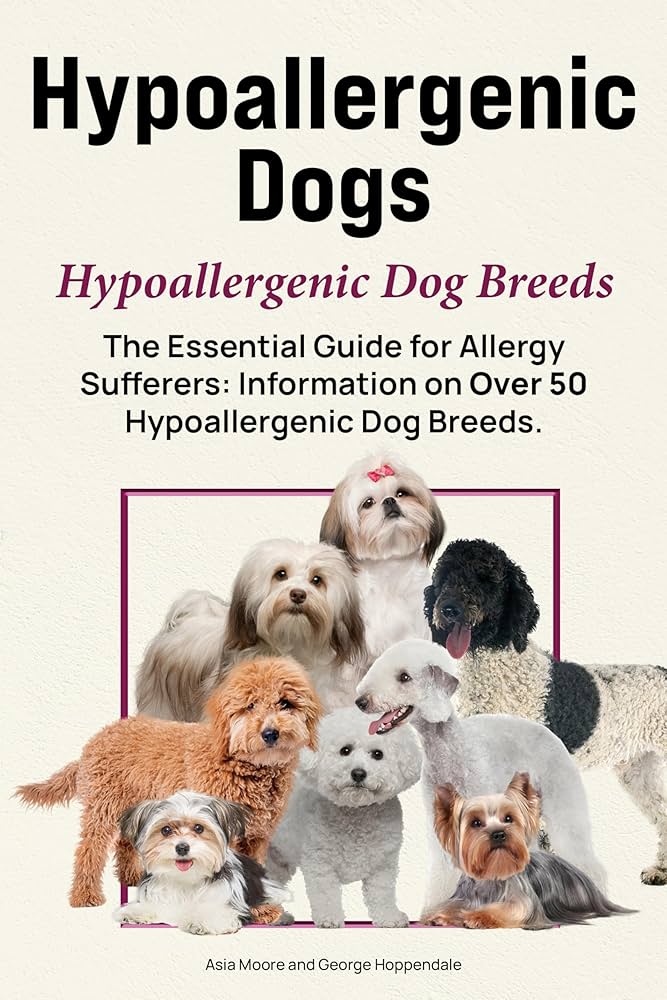
For many, the joy of dog ownership is tempered by the reality of allergies. Thankfully, the concept of “hypoallergenic dogs” offers a beacon of hope, allowing individuals with dog allergies to experience the profound companionship a canine friend can bring. But what truly defines a hypoallergenic dog, and which breeds might be the best fit for your home?
While no dog is entirely free of allergens, certain breeds are known for producing fewer allergens, making them a more suitable option for allergy sufferers. This guide explores what makes a dog hypoallergenic and highlights some of the top breeds that fit this description, along with essential tips for living harmoniously with your canine companion.
What Makes a Dog Hypoallergenic?
All dogs produce allergens, primarily found in their dander (dead skin flakes), saliva, and urine. Hypoallergenic dogs are not devoid of these allergens, but rather they have been selectively bred to produce less of them. This reduction in allergens can significantly decrease the likelihood of triggering allergic reactions such as sneezing, itching, or respiratory distress in sensitive individuals.
However, it’s crucial to understand that “hypoallergenic” does not mean “non-allergenic.” Even dogs that shed minimally can still cause reactions due to the presence of allergens in their saliva and skin. Careful consideration and often, direct interaction, are necessary before bringing any dog into a home with allergy sufferers.
Top Hypoallergenic Dog Breeds
While the list of breeds considered hypoallergenic is extensive, some consistently stand out for their low-shedding coats and suitability for allergy-prone households.
Poodles: A Classic Choice
Poodles, in their three sizes (Standard, Miniature, and Toy), are renowned for their hypoallergenic qualities. Their continuously growing, curly hair sheds very little, trapping dander close to the body. Poodles are also highly intelligent and trainable, making them versatile companions. Regular grooming is essential to prevent their coats from becoming tangled and matted.
Bichon Frise: The Cheerful Companion
These small, playful dogs are characterized by their curly, white coat that sheds minimally. Bichon Frises are known for their affectionate nature and trainability, making them excellent family pets. Their hypoallergenic coat requires consistent grooming to maintain its health and appearance.
Portuguese Water Dog: Energetic and Allergy-Friendly
Originally bred to assist fishermen, Portuguese Water Dogs possess a thick, curly coat that sheds very little. They are intelligent, trainable, and energetic, requiring ample exercise like swimming and playing fetch. Their suitability for allergy sufferers, combined with their friendly disposition, makes them a popular choice. You can keep your Portuguese Water Dog happy and healthy with activities like swimming, utilizing floating toys from kits like the Chuckit! Amphibious Dog Toy Kit.
Schnauzers (Miniature, Standard, Giant): Versatile and Low-Shedding
All three sizes of Schnauzers—Miniature, Standard, and Giant—are considered hypoallergenic due to their wiry coats that shed minimally. These intelligent and active dogs adapt well to various living situations, provided they receive sufficient exercise. Their grooming needs include regular brushing and occasional stripping.
Doodle Breeds: A Popular Hybrid Choice
Crossbreeds involving Poodles, such as Labradoodles, Goldendoodles, Aussiedoodles, and Bernedoodles, are often sought after for their hypoallergenic coats. These hybrids typically inherit the low-shedding quality of the Poodle parent. They are known for being intelligent, friendly, and make excellent family pets, though their energy levels and exercise needs vary by specific cross. For instance, Aussiedoodles, being very smart and energetic, benefit greatly from mental stimulation with enrichment toys like dog treat dispensers.
Other Notable Breeds:
Beyond these popular choices, numerous other breeds may be suitable for allergy sufferers, including:
- Yorkshire Terrier: Small, affectionate, and low-shedding.
- Shih Tzu: Known for their friendly temperament and thick, hypoallergenic coat that requires regular care.
- Chinese Crested: Available in hairless and powderpuff varieties, both are considered hypoallergenic.
- Soft Coated Wheaten Terrier: A medium-sized Irish breed with a silky, low-shedding coat and high energy.
- Maltese: Famous for their luxurious white coat, they are affectionate companions requiring diligent grooming.
Tips for Living With a Hypoallergenic Dog
Owning a hypoallergenic dog involves specific care to maximize allergen reduction and ensure a comfortable living environment.
Prioritize Regular Grooming
Consistent grooming is paramount. Regular brushing helps to remove loose hair and dander, while bathing every four to six weeks with a specialized shampoo, such as Allerpet® Dog Dander Remover, can further minimize dander. Many breeds will also require professional trimming or hand-stripping to manage their coats effectively.
Maintain a Clean Home Environment
Regularly vacuuming, dusting, and washing bedding are crucial steps in reducing airborne allergens. Utilizing air purifiers and ensuring good ventilation can also significantly improve air quality within the home.
Consult with Healthcare Professionals
For individuals with significant allergies, consulting a healthcare provider is essential. Medical advice on managing allergies through medication, nasal sprays, or injections can make living with a dog much more manageable. It’s also advisable to minimize direct contact with a dog’s saliva and urine, as these can also be sources of allergens.
Choosing a hypoallergenic dog can open the door to a fulfilling pet-parenting experience for individuals who might otherwise be unable to own a dog. By understanding the nuances of “hypoallergenic,” selecting the right breed, and committing to a consistent care routine, you can enjoy the unparalleled joy and companionship that dogs bring into our lives.
