
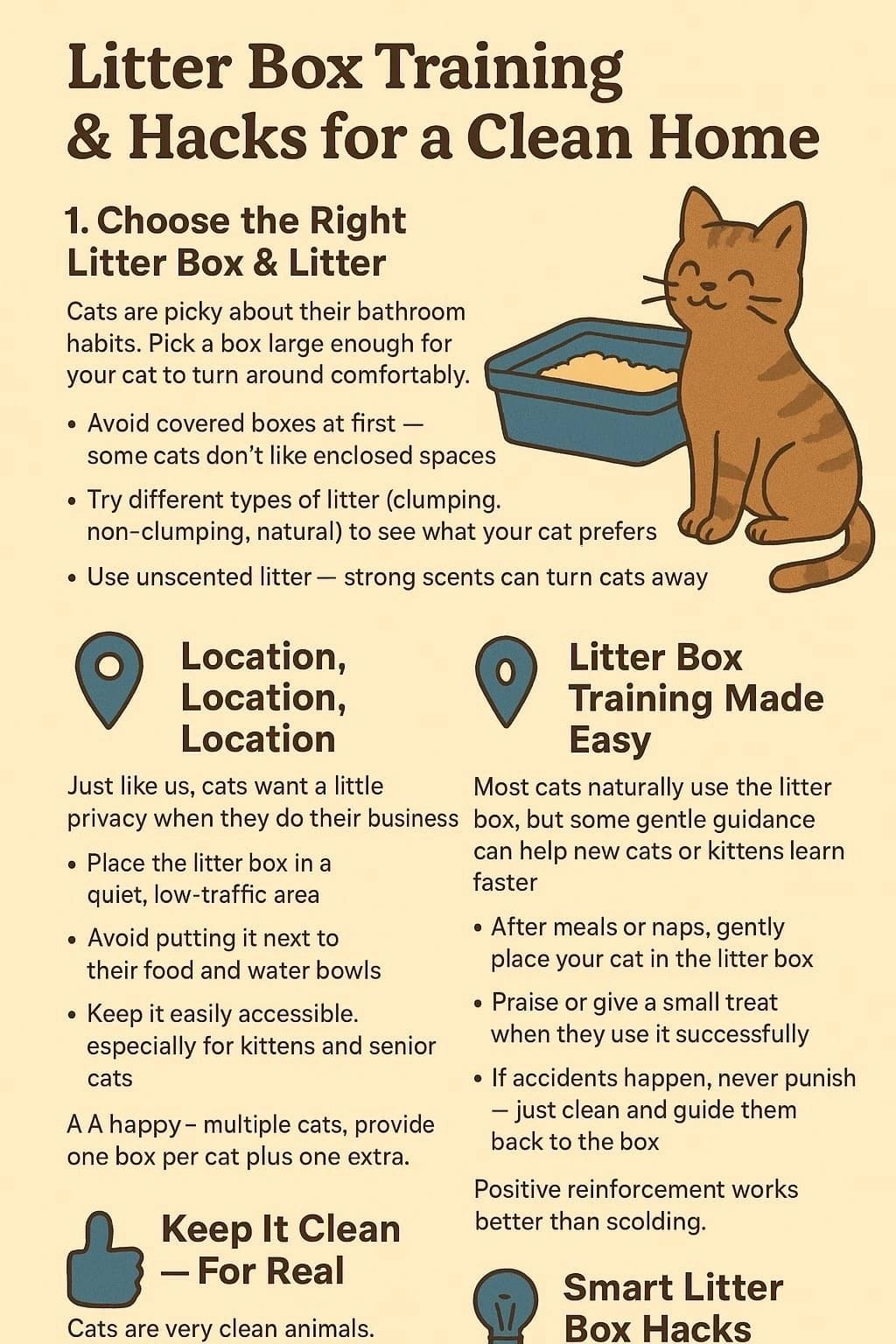
When you think of a litter box, the image of a cat likely springs to mind. However, the world of pet care is full of surprises, and one of them is the growing trend of Dogs And Litter Box Training. For many owners, especially those with small breeds or living in apartments, teaching a canine companion to use an indoor potty can be a life-changing solution. It offers a convenient, clean, and consistent option that complements, but doesn’t replace, traditional outdoor walks. This comprehensive guide will walk you through everything you need to know to successfully embark on this training journey. A key question many people have is simply, can u litter train a dog, and the answer is a resounding yes for the right candidate.
Can You Really Litter Train a Dog?
Absolutely. While it’s not as instinctual for dogs as it is for cats, canines are intelligent animals capable of learning complex behaviors with the right guidance and reinforcement. The principle is the same as any other form of house training: teaching your dog that there is a specific, designated spot for them to relieve themselves. Instead of the backyard, that spot is a litter box inside your home.
Success largely depends on the dog’s size, temperament, and age, as well as the owner’s consistency and patience. It’s not a one-size-fits-all solution, but for many households, it provides a practical alternative for those times when getting outside isn’t immediately possible.
The Pros and Cons of Dogs and Litter Box Training
Before you invest in supplies and start training, it’s wise to weigh the benefits and drawbacks. This method isn’t for every dog or every owner, but understanding its potential can help you make an informed decision.
Advantages:
- Convenience: It’s an incredible benefit for owners who live in high-rise buildings, have mobility issues, or face extreme weather conditions.
- Safety: It provides a safe option for puppies who aren’t fully vaccinated and for senior dogs who may struggle with frequent trips outdoors.
- Cleanliness: When maintained properly, a litter box can help keep your floors clean and free of accidents.
- Travel-Friendly: It can simplify travel, allowing your dog to have a familiar potty spot in hotels or when visiting friends and family.
Disadvantages:
- Not a Replacement for Walks: Dogs still need outdoor walks for exercise, mental stimulation, and socialization. A litter box should be seen as a supplement, not a substitute.
- Odor: If not cleaned frequently and correctly, a dog’s litter box can produce strong odors.
- Size Limitations: This method is primarily suited for small to medium-sized breeds. Large dogs require much larger boxes and produce more waste, making it impractical.
- Potential for Confusion: Some dogs may struggle to differentiate between the litter box and other indoor areas, especially at the beginning of the training process.
Which Dogs Are the Best Candidates?
While any dog can theoretically learn, certain characteristics make some dogs more suitable for litter box training than others. Understanding if your dog fits the ideal profile can save you a lot of time and frustration.
Small Breeds
Smaller dogs are the most common and successful candidates. Breeds like Chihuahuas, Pomeranians, Yorkies, and Maltese have smaller bladders and produce less waste, making an indoor setup manageable. Their size means a reasonably sized litter box provides plenty of room. This makes it an excellent component of any small dog potty training regimen.
Puppies
Starting early is always an advantage in dog training. Puppies are in a prime learning phase and haven’t yet cemented their potty habits, making them more receptive to the idea of an indoor option.
Senior or Special Needs Dogs
Older dogs with incontinence or mobility issues can benefit greatly from having an easily accessible potty spot. It reduces the stress of rushing outside and can prevent painful accidents for a dog struggling with arthritis or other health conditions.
A Step-by-Step Guide to Dogs and Litter Box Training
Patience and positivity are your greatest allies. This process requires consistency and a clear plan. Follow these steps to set your dog up for success.
Step 1: Choose the Right Supplies and Location
First, you need the right gear. Unlike cat litter boxes, a dog’s box should have low sides for easy entry. You can buy a commercial dog litter pan or even use a large, shallow storage container. For the litter itself, avoid traditional clumping cat litter, which can be harmful if ingested by dogs. Opt for dog-specific litter made from paper pellets, pine, or absorbent crystals. Some owners also find success with artificial grass pads placed inside the box.
The location is crucial. Pick a quiet, low-traffic area where your dog will have some privacy. A corner of a laundry room or a bathroom often works well. Avoid placing it near their food and water bowls. Once you choose a spot, stick to it to avoid confusing your dog.
Step 2: Introduce the Litter Box
Let your dog explore the new box on their own terms. Place it in the designated spot and let them sniff it. You can throw a high-value treat into the box to create a positive association. Let them get comfortable with its presence for a day or two before you begin active training. Don’t pressure them; the goal is to make the box a safe and interesting object.
Step 3: Establish a Consistent Routine
The key to any house training is a predictable schedule. Take your dog to the litter box first thing in the morning, last thing at night, and after every meal, nap, and play session. Initially, you may need to take them to the box every hour. When you take them, place them gently inside the box. For more in-depth strategies, exploring various litter training dogs tips can provide additional helpful techniques.
Step 4: Use a Command Word
As you place your dog in the box, use a consistent verbal cue like “Go potty” or “Do your business.” Say it in a calm, encouraging tone. Over time, your dog will associate this phrase with the act of elimination, which can be incredibly useful for prompting them when you’re on a schedule.
Step 5: Positive Reinforcement is Everything
When your dog successfully uses the litter box, reward them immediately and enthusiastically. Use high-value treats, lavish praise, and petting. The goal is to make them understand that using the litter box is the best thing they could possibly do. This immediate positive feedback is the most critical part of the process. Never scold or punish your dog for having an accident elsewhere; this only creates fear and anxiety, which hinders training. If you find an accident, clean it up thoroughly with an enzymatic cleaner to eliminate odors that might attract them back to the same spot.
Common Challenges and How to Solve Them
Training is rarely a straight line, and setbacks are normal. One of the most common issues is a dog who resists confinement or being guided to a specific spot. This can sometimes manifest in ways similar to separation anxiety, where a dog becomes distressed. While the context is different, some of the management strategies for issues like crate training dog crying can be adapted, focusing on making the designated area a positive space rather than a place of conflict.
Expert Insight: Dr. Evelyn Reed, a canine behavior specialist, notes, “A common mistake owners make is punishing accidents. This teaches the dog to fear eliminating in front of the owner, leading them to hide when they need to go. Instead, focus entirely on celebrating the wins. This builds trust and makes the dog an active participant in their own training.”
Another challenge is the dog playing or sleeping in the litter box. This usually means the line between “potty spot” and “play spot” is blurred. Immediately and calmly redirect this behavior. If they start to dig or lie down, pick them up, say “No,” and place them outside the box. Reserve the box strictly for business.
Frequently Asked Questions (FAQ)
Can I use cat litter for my dog?
It is not recommended. Clumping cat litter can get stuck in a dog’s paws and fur, and if ingested, it can cause serious internal blockages. Always use litter specifically designed for dogs or a safe alternative like paper pellets.
How often should I clean the dog litter box?
You should scoop solids out at least once a day, or immediately after use if possible. A full litter change and a thorough wash of the box with soap and water should be done at least once a week to control odors and maintain hygiene.
What if my dog was already trained to go outside?
You can still teach an adult dog to use a litter box. The process is the same, but it may take more time and patience as you are retraining an established habit. Be consistent and make the litter box a highly rewarding place.
My dog keeps missing the box. What should I do?
This could be a sign that the box is too small for them to comfortably turn around in. Try getting a larger box. It could also be a simple aiming issue that will improve with practice. Ensure you are cleaning any misses with an enzymatic cleaner.
Will using a litter box stop my dog from wanting to go on walks?
No. Dogs have an innate need to explore, sniff, and exercise. A walk provides crucial mental and physical stimulation that a litter box cannot. Your dog will still be just as excited for their daily walks.
Your Path to a Potty-Trained Pup
Ultimately, dogs and litter box training is a versatile tool that can provide immense freedom and peace of mind for the right household. It requires a dedicated effort built on a foundation of patience, positive reinforcement, and a deep understanding of your dog’s needs. By following a clear, consistent plan and celebrating every small success, you can teach your canine companion this valuable skill, strengthening your bond and making your life together even more harmonious.
