
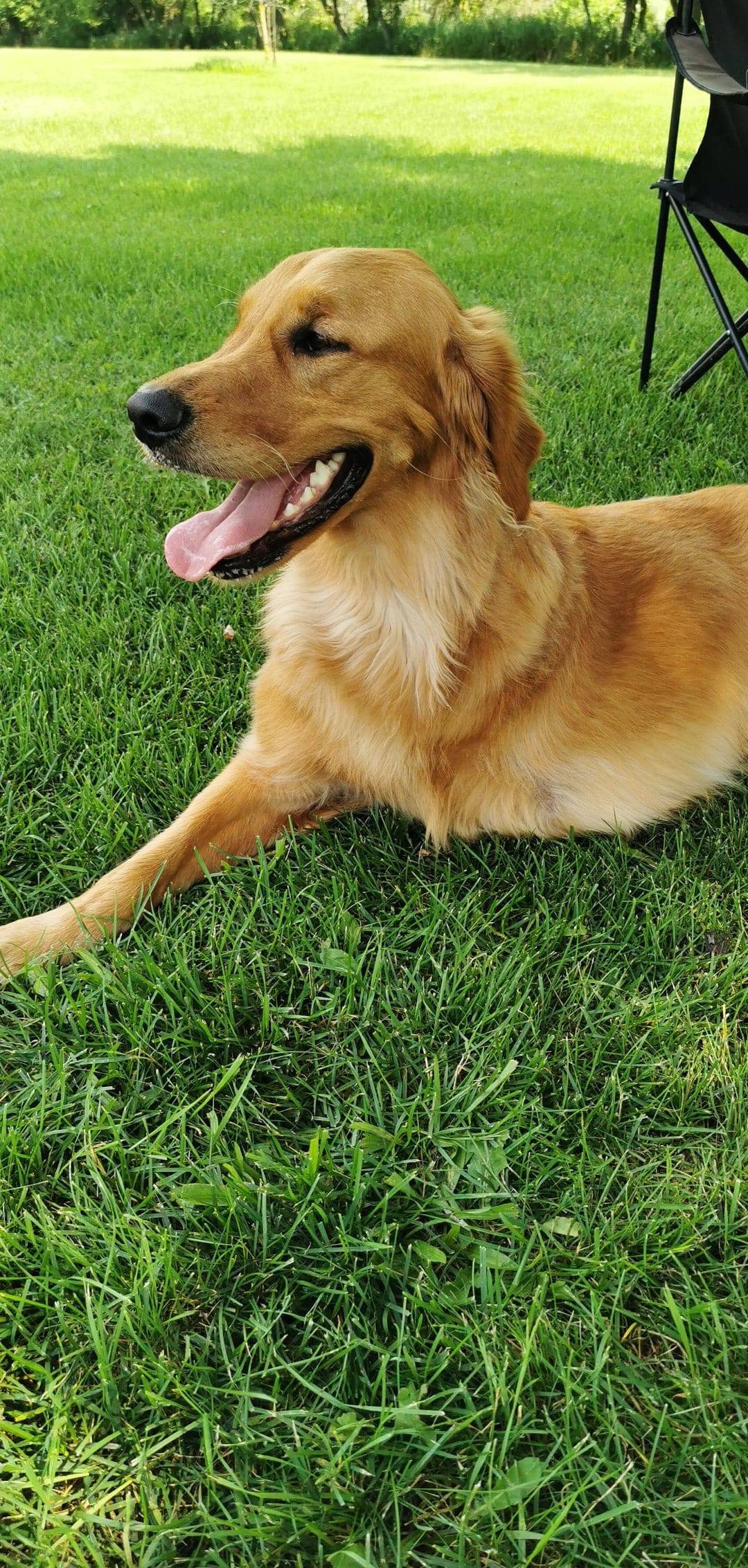
Welcoming a three-legged dog into your home is a heartwarming experience, and with the right understanding and adjustments, they can lead full, happy, and healthy lives. These resilient companions, often referred to as “tripod dogs,” can adapt remarkably well to having only three legs, whether due to congenital conditions, trauma, or necessary amputation. This guide will delve into what it means to own a tripod dog, how to prepare your home, and essential long-term care strategies to ensure their well-being.
What is a Tripod Dog?
A “tripod” dog is a canine companion missing one limb. This absence can stem from various causes, including accidents like car incidents, severe injuries, or surgical amputation necessitated by conditions such as infection, cancer, severe fractures, or limb deformities. Despite this difference, tripod dogs are fully capable of living long, healthy lives and require minimal specialized care beyond what’s needed post-amputation.
Adopting a tripod dog means embracing a slightly different approach to pet parenthood. Their gait and balance may differ, requiring extra caution on stairs, inclines, and around potential tripping hazards. While high-impact activities like agility training are possible, they must be approached with significant care. It’s also important to be aware that tripod dogs may have a higher predisposition to conditions like osteoarthritis (joint disease) and spinal issues. Dogs carrying more weight on their forelimbs, particularly larger breeds, might face greater challenges with limb loss compared to smaller breeds.
Before bringing a tripod dog home, it’s crucial to gather as much information as possible from their previous caregivers or shelter. Key details include the reason for amputation, the date it occurred, any long-term medical issues or complications (especially if cancer was involved), ongoing medication needs for pain management, their history at the shelter, previous medical records, current health status, and any special dietary requirements. Understanding these factors will help you provide the best possible care.
Preparing Your Home for a Tripod Dog
Congratulations on expanding your family! To ease your new companion’s transition and support their physical and emotional health, consider these simple home modifications:
- Therapeutic Bedding: Opt for comfortable, supportive bedding that reduces pressure on bones and joints.
- Ramps and Grips: Install ramps or provide non-slip surfaces like rugs and toe grips to enhance traction and prevent falls. Products like Pet Gear Steps and Ramps or Dr. Buzby’s Toe-Grips can be beneficial.
- Raised Bowls: Use raised food and water bowls to minimize the need for excessive leaning, aiding balance during meals.
- Support Harnesses: A harness, such as the Help ‘Em Up Harness, can provide crucial support when helping your dog navigate stairs or get in and out of vehicles. This reduces strain on both you and your dog.
- Yard Safety: Regularly inspect your yard for tripping hazards and uneven terrain to ensure your dog’s safety when outdoors.
- Assisted Mobility: If stairs are a concern, consider carrying your dog or blocking access to upper levels to prevent accidents.
For budget-conscious owners, many of these accommodations can be DIY solutions. For instance, a rolled-up towel can offer support to your dog’s pelvis. It’s essential to schedule a veterinary check-up soon after adoption to discuss ongoing health, weight management, and potential future care needs.
The Cost of Caring for a Tripod Dog
Beyond the initial costs associated with amputation and rehabilitation, the ongoing expenses for most tripod dogs are comparable to those of a four-legged companion. While professional physical therapy with a rehabilitation veterinarian can be beneficial for maintaining muscle strength and improving coordination, it’s not always a necessity. It’s important to remember that amputation is often a therapeutic solution that significantly improves a dog’s quality of life, especially when performed due to severe disease or infection. For specific mobility aids, resources like pet babysitting services can offer support, and understanding options for urgent care for dogs near me is always wise for any pet owner.
Long-Term Management of a Tripod Dog
Ensuring your tripod dog enjoys a fun and fulfilling life requires patience and a proactive approach to their care. Key considerations for long-term management include:
Weight Management: A significant portion of a dog’s weight is supported by their limbs. With one less limb, it’s crucial to maintain a healthy weight to prevent undue stress on the remaining joints and reduce the risk of conditions like diabetes, cancer, and inflammation.
Exercise Management: Allow your dog to set the pace during walks, but be attentive to signs of fatigue. Shorter, more frequent outings are generally preferable to long, strenuous treks.
Joint Care: Regularly monitor the orthopedic health of your dog’s remaining limbs. Discuss with your veterinarian the potential benefits of joint supplements and specialized diets designed to support joint health. Options for emergency dog boarding near me or finding a reliable cat and dog hospital can provide peace of mind for necessary travel or immediate veterinary needs.
Comfort Measures: Enhance your dog’s comfort by providing therapeutic bedding and extra padding for pressure points like elbows and ankles. Protect their paw pads in cold weather with booties and avoid walks during peak heat. Daily inspection of paw pads for any issues is recommended. Keeping your dog’s nails trimmed short is also vital for maintaining better traction and balance.
References
Leach D, Sumner-Smith G, Dagg AI. Diagnosis of lameness in dogs: a preliminary study. Can Vet J. 1977;18(3): 58-63.
Author
Michael Kearley, DVM, graduated from the University of Florida College of Veterinary Medicine in 2013.
