
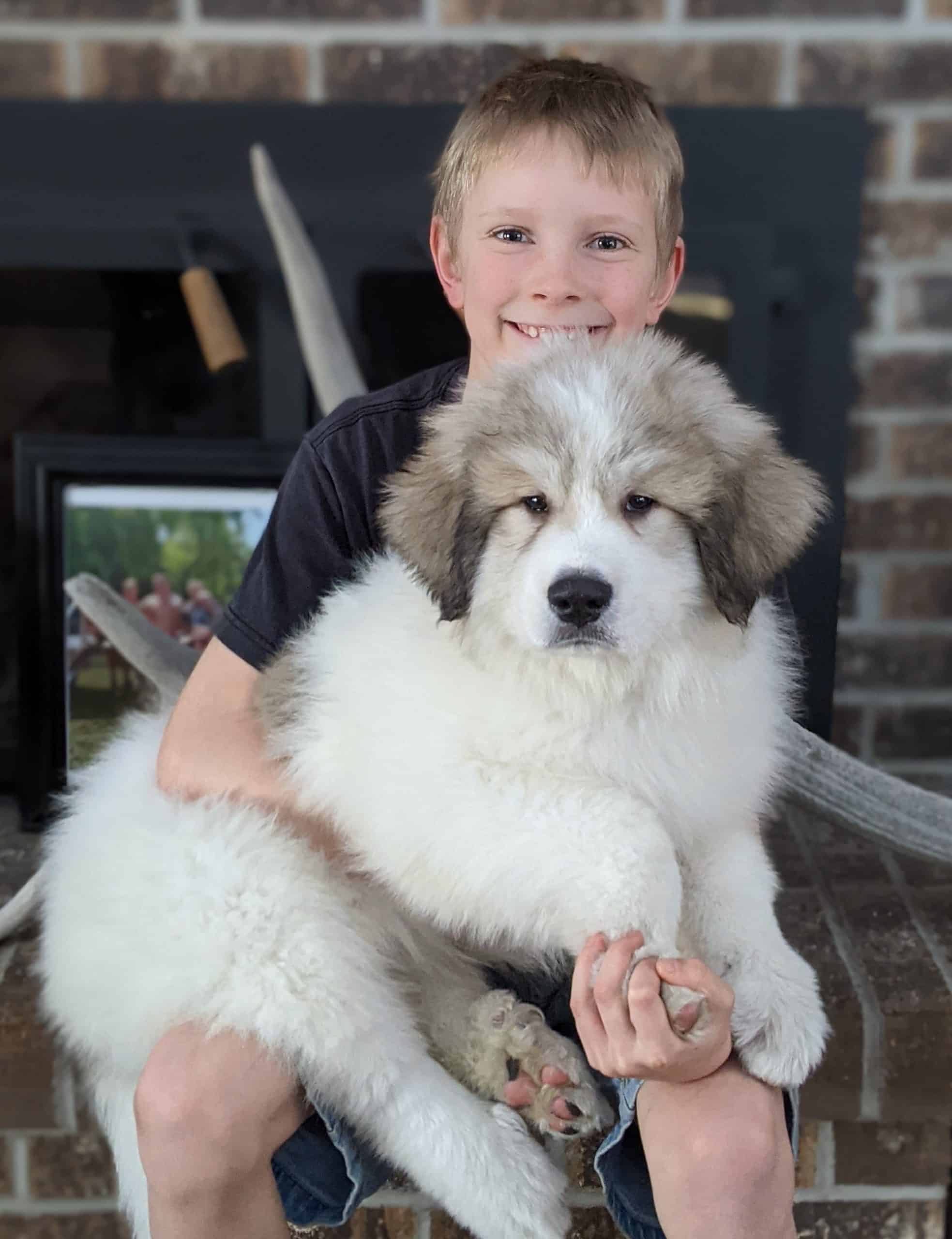
Welcoming a Great Pyrenees puppy into your home is an exciting time, filled with joy and the anticipation of a loyal companion. However, it also comes with the significant responsibility of training, especially when it comes to housebreaking. This is particularly true for breeds like the Great Pyrenees, known for their independent and sometimes stubborn nature. If you find yourself struggling with indoor accidents despite consistent efforts, understand that you’re not alone. This guide offers a deep dive into effective potty training methods tailored for Great Pyrenees puppies, aiming to transform your furry friend into a well-behaved member of the family. teaching a puppy not to jump up on you
Understanding the Great Pyrenees Temperament
Great Pyrenees are a majestic breed with a strong, protective instinct. Their intelligence is undeniable, but it’s often coupled with a desire to think for themselves, making them distinct from more eager-to-please breeds. This independence can translate into challenges during training, including potty training and curbing excessive barking. Early socialization and consistent, patient training are crucial from the moment you bring your puppy home. Acknowledging these breed-specific traits is the first step in developing a successful training plan.
Addressing Potty Training Setbacks
It’s common for puppies to experience temporary setbacks, such as diarrhea, which can disrupt potty training momentum. When a puppy has a bout of illness, like the one described, where frequent accidents occurred indoors due to digestive upset, they can develop a habit of eliminating in the house. Even with diligent cleaning using enzymatic cleaners to eliminate odors, the ingrained habit can persist. The key is to re-establish a clear routine and reinforce positive behaviors consistently.
Establishing a Consistent Potty Schedule
Consistency is the cornerstone of successful potty training. For a Great Pyrenees puppy, this means:
- Frequent Potty Breaks: Take your puppy outside first thing in the morning, after waking from naps, after playing, and after eating or drinking. Start with breaks every 30-60 minutes for a young puppy and gradually increase the interval as they mature.
- Designated Potty Spot: Always take your puppy to the same spot in the yard. The scent will encourage them to relieve themselves there.
- Positive Reinforcement: Lavish praise and offer high-value treats immediately after your puppy successfully eliminates outside. This positive association is critical. Make the praise enthusiastic and the treats extra special for this achievement.
- Supervision: Keep a close eye on your puppy indoors. Watch for signs like circling, sniffing intently, or squatting, and immediately interrupt the behavior and take them outside. how do you teach a puppy not to jump up
Overcoming Crate Training Challenges
The crate is an invaluable tool for potty training, as most dogs are reluctant to soil their sleeping area. However, some Great Pyrenees puppies may react to being crated with persistent barking, making it difficult to use this method effectively. If your puppy barks incessantly when the crate door is shut, it might indicate separation anxiety or a strong aversion to confinement.
- Gradual Introduction: Introduce the crate positively. Leave the door open initially, allowing the puppy to explore it. Feed meals inside the crate and offer special toys or treats only when they are inside.
- Short Durations: Start with very short periods of crate time, gradually increasing the duration as your puppy becomes more comfortable.
- Address Barking: Never punish barking in the crate. Instead, try to ignore it until there’s a brief pause, then reward the quiet. If barking persists uncontrollably, reassess the duration or the puppy’s readiness for crate time.
Leash Training Indoors and Outdoors
Leash training can also be a component of potty training, helping to keep your puppy close and supervised. However, this can be challenging with a stubborn breed.
- Indoor Leash Walking: While keeping your puppy on a leash indoors can help prevent accidents, it shouldn’t be a battle. If your puppy becomes resistant, it’s better to temporarily release the leash and try again later than to create a negative association with the leash. Focus on making indoor leash time a positive experience with gentle guidance and rewards.
- Outdoor Refusal: If your puppy refuses to potty even on a leash during walks, it may be that they are too stimulated by the environment or are waiting for the comfort of home. Ensure walks are calm and focused on potty breaks, especially during the initial stages. Consider shorter, more frequent walks dedicated solely to elimination.
Addressing Destructive Behaviors
While potty training is the priority, destructive behaviors often go hand-in-hand with the frustration of an untrained puppy. Providing appropriate chew toys and redirecting chewing onto those items is essential. Ensure your puppy has plenty of outlets for their energy through exercise and mental stimulation. how to teach your puppy not to jump
The Importance of Patience and Professional Help
Training a Great Pyrenees requires exceptional patience and understanding of their breed characteristics. It’s a journey, not a race. If you’ve exhausted conventional methods and are still struggling with persistent issues, don’t hesitate to seek professional guidance. A certified professional dog trainer or a veterinary behaviorist can provide personalized strategies and support. how to teach a puppy not to jump on you
Resources for Further Training
For more in-depth information and specific techniques, explore resources like teach puppy not to jump on you.
Conclusion: Achieving House-Training Success
Potty training a Great Pyrenees puppy, especially one with a history of setbacks, demands a multi-faceted approach that prioritizes consistency, positive reinforcement, and a deep understanding of the breed. By implementing a structured schedule, managing their environment effectively, and remaining patient through the challenges, you can guide your puppy towards successful house-training. Remember, every successful potty break outdoors is a step closer to a clean home and a harmonious relationship with your beloved companion. If you’re facing ongoing challenges, reaching out to professional trainers can offer invaluable support and customized solutions to help you and your Great Pyrenees thrive together.
