
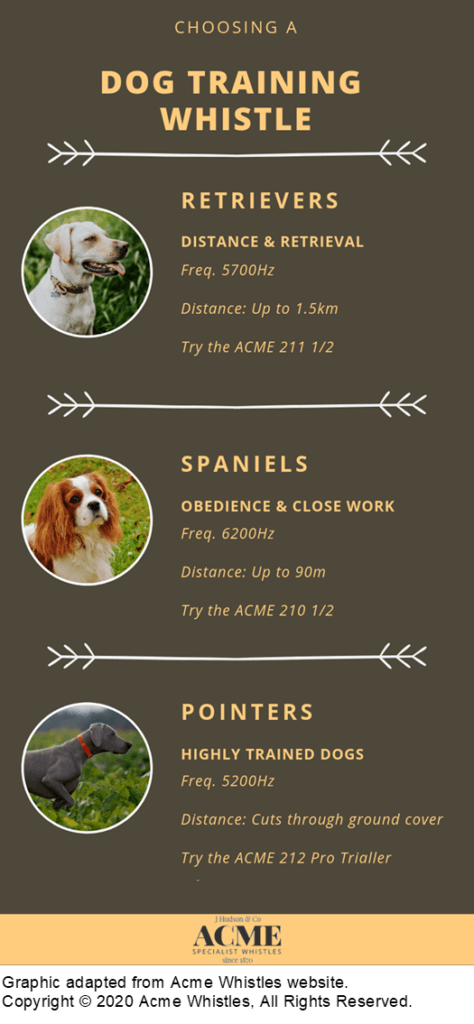
Training your dog can be a rewarding experience, and sometimes, the right tools can make all the difference. One such tool that has gained popularity is the dog whistle. But what exactly are dog whistles, and how can they benefit your training efforts? This guide delves into the world of dog whistles, exploring their science, effectiveness, and how to use them to build a stronger bond with your canine companion.
The Science Behind Dog Whistles
Dog whistles operate on a simple yet fascinating principle: sound frequency. Unlike regular whistles that produce audible sounds for humans, dog whistles emit high-frequency sounds, often in the ultrasonic range (above 20 kHz), which are typically inaudible to the human ear. However, dogs possess a far superior hearing range, extending well into the ultrasonic spectrum, making these high-frequency sounds perfectly audible to them. This ability allows trainers to communicate commands without disturbing others or overwhelming the dog with loud, jarring noises. The effectiveness of a dog whistle lies in its ability to capture your dog’s attention and convey a specific cue, provided it’s used consistently and correctly.
Why Use a Dog Whistle for Training?
The advantages of incorporating a dog whistle into your training regimen are numerous and can significantly enhance your communication with your dog.
Enhanced Attention and Focus
Dogs, especially in distracting environments, can easily lose focus. A high-frequency whistle can cut through ambient noise, grabbing your dog’s attention more effectively than a verbal command alone. This focused attention is crucial for your dog to process and respond to your cues during training sessions.
Silent Communication
The silent nature of dog whistles is a major benefit. You can train your dog from a distance, indoors or outdoors, without disturbing neighbors, family members, or other pets. This silent communication is particularly useful for recall training or when you need to issue commands discreetly.
Consistency in Commands
Verbal commands can sometimes be inconsistent due to variations in tone, volume, or enunciation. A dog whistle provides a consistent auditory cue every time it’s blown, helping your dog understand and associate the specific sound with a particular command. This consistency is a cornerstone of effective dog training.
Training from a Distance
Whether you’re training your dog in a large park or simply across the room, a dog whistle allows you to maintain clear communication. This is invaluable for developing reliable recall, especially in open spaces where your dog might be tempted to wander. You can start with shorter distances and gradually increase them as your dog’s responsiveness improves.
Useful for Dogs with Hearing Impairments
While it might seem counterintuitive, high-frequency dog whistles can sometimes be effective for dogs with partial hearing loss, especially if their ability to hear lower frequencies is more affected. However, it’s crucial to consult with a veterinarian to determine the extent of your dog’s hearing loss and the potential suitability of a dog whistle.
Types of Dog Whistles
Dog whistles come in various designs, each with slightly different functionalities:
Adjustable Frequency Whistles
These whistles allow you to adjust the frequency to find the perfect pitch for your individual dog. Different dogs may respond better to specific frequencies, and adjustability ensures you can fine-tune the sound. This is particularly helpful if you have multiple dogs, as you might be able to find a frequency that works for one but not the other, or even a unique frequency for each.
Fixed Frequency Whistles
These come with a set frequency and are simpler to use. While they offer less customization, they can be very effective if you find a frequency that resonates well with your dog. They are often more affordable and straightforward for beginners.
Ultrasonic Whistles
As mentioned earlier, these emit sounds in the ultrasonic range, inaudible to humans. They are ideal for silent training and when you want to avoid startling your dog or bothering others.
How to Use a Dog Whistle for Training
Using a dog whistle effectively requires patience, consistency, and understanding your dog’s learning process. Here’s a step-by-step approach:
1. Associating the Whistle with a Command
The key to whistle training is to associate the specific whistle sound with a desired behavior or command.
- Choose Your Command: Start with a simple, established command like “sit,” “stay,” or “come.”
- Pair Whistle with Command: For a new command, begin by giving the verbal command immediately followed by a short blast of the whistle. For an existing command, give the verbal command, wait for your dog to perform the action, and then immediately blow the whistle followed by a treat.
- Gradual Transition: As your dog begins to understand the association, you can start to reduce the verbal cue, eventually relying solely on the whistle. For instance, instead of “sit,” you might say “sit” and blow the whistle simultaneously. Later, you might just blow the whistle while your dog is in a sit position, and reward. Eventually, you’ll be able to blow the whistle and have your dog sit without any verbal prompt.
- Consistency is Key: Use the same whistle and the same blowing technique for the specific command every time.
2. Introducing the Whistle
- Initial Training: Start in a quiet environment with minimal distractions. Get your dog’s attention, give the command, and then use the whistle followed by a high-value treat and praise.
- Short, Sharp Blasts: Generally, short, sharp blasts are more effective for commands. Longer, sustained whistles might be used for different cues, like a recall signal.
- Positive Reinforcement: Always reward your dog immediately after they respond correctly to the whistle cue. This reinforces the association and encourages them to respond in the future. High-value treats, praise, and a favorite toy work well.
3. Practice and Generalization
- Vary Locations: Once your dog reliably responds in a quiet environment, gradually introduce distractions and practice in different locations – your backyard, a park, or during walks. This helps your dog generalize the command to various situations.
- Increase Distance: As your dog becomes more proficient, start practicing the whistle commands from greater distances. This is particularly crucial for recall training.
- Introduce New Commands: Once your dog has mastered associating the whistle with one command, you can introduce other commands, using a different whistle pattern or duration if you have multiple whistles, or by associating distinct whistle sequences with different commands. For example, a short blast for “sit,” and two short blasts for “come.”
Important Considerations and Tips
- Find the Right Frequency: If using an adjustable whistle, experiment to find a frequency that gets your dog’s attention without causing distress. Some dogs are more sensitive than others.
- Avoid Overuse: Don’t use the whistle excessively, as it can lose its effectiveness. Reserve it for training sessions or specific commands.
- Never Punish with the Whistle: The whistle should always be associated with positive reinforcement. Never use it to scold or punish your dog, as this can create fear and anxiety.
- Consider Your Dog’s Age and Breed: While most dogs can be trained with whistles, puppies may take longer to grasp the concept. Some breeds, with their keen hearing, might respond exceptionally well.
- Consult a Professional: If you encounter difficulties or have concerns about your dog’s hearing or response to the whistle, consult a certified professional dog trainer or a veterinarian. They can provide personalized guidance and ensure you’re using the tool ethically and effectively.
Beyond Basic Commands: Advanced Uses
Once your dog has a solid understanding of whistle commands, you can explore more advanced training applications. This might include:
- Recall Training: A long, drawn-out blast can be an excellent signal for your dog to return to you, especially from a distance.
- “Stay” Commands: A specific, short whistle can reinforce a “stay” command, ensuring your dog remains in position.
- Hand Signals Integration: You can pair whistle cues with hand signals to further enhance communication, especially in noisy environments or when training during hunting or sporting activities. Many professional dog training treat pouch users find integrating signals with whistles highly effective.
- Hunting and Working Dogs: For those involved in activities like hunting, specialized hunting dog training equipment and gun dog training accessories often incorporate whistles. The ability to communicate silently and effectively over distances is paramount for handlers working with their canine partners in the field. Using hunting dog gear that includes whistles can be a significant advantage.
Addressing Potential Issues
My Dog Isn’t Responding to the Whistle
- Frequency Check: Ensure the whistle is working and emitting a sound your dog can hear. Try it on different settings if adjustable.
- Association: Has the whistle been consistently paired with a command and reward? Revisit the initial training steps.
- Distractions: Is the environment too distracting? Try training in a quieter setting.
- Motivation: Are the rewards high-value enough? Some dogs require particularly enticing treats to stay motivated.
- Hearing Issues: Consider if your dog has any undiagnosed hearing problems. A veterinary check-up might be necessary.
My Dog Seems Scared of the Whistle
- Volume/Frequency: The sound might be too loud or at an uncomfortable frequency. Try a different whistle or adjust the frequency if possible.
- Sudden Introduction: Was the whistle introduced too abruptly or loudly? Start with very soft, short blasts.
- Negative Association: Ensure the whistle has never been used for punishment. Rebuild a positive association with treats and praise.
Conclusion: A Valuable Tool for the Dedicated Owner
Dog whistles, when used correctly, can be an incredibly effective tool for enhancing communication and strengthening the bond between you and your dog. By understanding the science behind them, choosing the right type of whistle, and employing consistent, positive reinforcement training methods, you can unlock a new level of responsiveness and partnership with your canine friend. Remember that patience and positive association are paramount. Whether you are working on basic obedience or advanced training for specific tasks, the dog whistle for training can be a silent yet powerful ally in your journey as a dedicated dog owner. For those serious about canine development, exploring resources like professional dog training treat pouch options can also complement whistle training effectively, ensuring you have all the right tools for success.
