
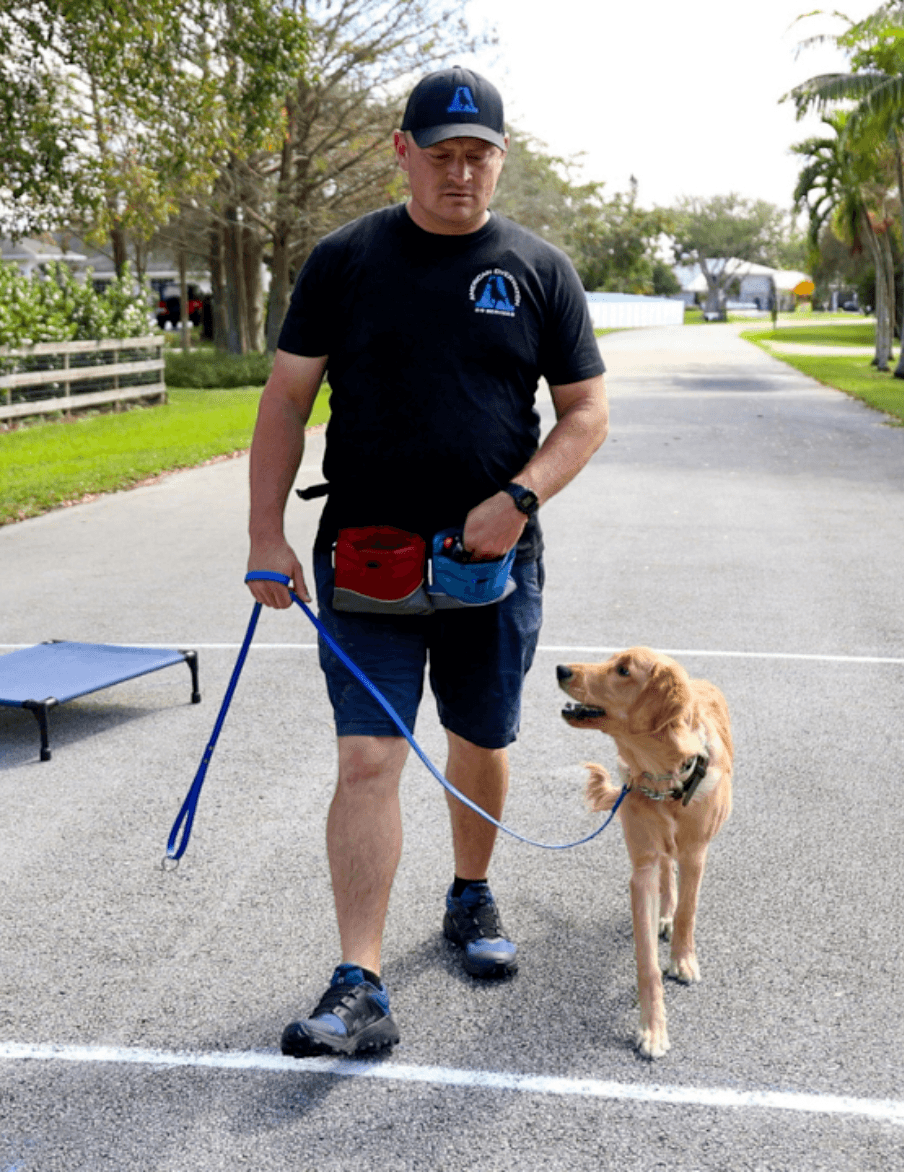
Embarking on the journey of dog ownership is filled with joy, and one of the most fundamental aspects of this journey is the daily walk. However, a successful walk is more than just letting your dog out; it’s an opportunity for bonding, exercise, and reinforcing good behavior. For many owners, the reality of leash pulling, reactive behaviors, or general disinterest from their canine companions can turn this pleasant activity into a stressful ordeal. This is where specialized Dog Walking Training Courses become invaluable. These courses are designed to equip both you and your dog with the necessary skills and understanding to transform your walks into a harmonious and enjoyable experience.
The importance of well-executed dog walking extends far beyond simple convenience. It plays a crucial role in a dog’s physical and mental well-being. Regular, structured walks help prevent obesity, reduce destructive behaviors often stemming from pent-up energy, and provide essential mental stimulation through exposure to new sights, sounds, and smells. Furthermore, a dog that walks politely on a leash is a safer dog, less likely to bolt into traffic or have uncontrolled encounters with other animals or people. Investing in dog walking training courses is an investment in your dog’s overall health, happiness, and your peace of mind.
Understanding the Core Principles of Dog Walking Training
Before diving into specific courses, it’s essential to grasp the foundational principles that underpin effective dog walking training. These principles are consistent across most reputable programs and focus on building a strong partnership between you and your dog.
Building a Foundation of Trust and Communication
At its heart, dog walking training is about clear communication and mutual trust. Your dog needs to understand what you expect, and you need to be able to read your dog’s signals. This involves:
- Positive Reinforcement: Rewarding desired behaviors (like walking calmly by your side) with treats, praise, or toys. This encourages your dog to repeat those actions.
- Clear Cues: Using consistent verbal commands and hand signals for actions like “heel,” “sit,” or “wait.”
- Understanding Body Language: Learning to recognize signs of stress, fear, excitement, or confusion in your dog. This allows you to preemptively manage situations and respond appropriately.
Addressing Common Walking Challenges
Most dog walking training courses will dedicate significant time to tackling the most prevalent issues dog owners face:
- Leash Pulling: This is perhaps the most common complaint. Training focuses on teaching the dog that a loose leash is more rewarding than a tight one. This often involves techniques like stopping when the leash tightens or rewarding the dog for staying close.
- Reactivity: Some dogs exhibit aggressive or overly fearful behaviors towards other dogs, people, or stimuli encountered on walks. Training for reactivity involves desensitization and counter-conditioning to change the dog’s emotional response to triggers.
- Distractibility: In a world full of fascinating scents and sights, many dogs struggle to focus on their handler. Training aims to improve your dog’s ability to ignore distractions and remain attentive to you.
- Lack of Basic Obedience: A solid foundation in basic commands like “sit,” “stay,” and “come” is crucial for managing your dog during walks, especially in unpredictable environments.
The Role of Equipment
While training is paramount, the right equipment can significantly aid the process. Dog walking training courses often discuss the pros and cons of various tools:
- Flat Collars: Suitable for dogs that don’t pull excessively.
- Martingale Collars: Designed to prevent dogs from slipping out of their collars without choking them.
- Front-Clip Harnesses: These can be very effective at reducing pulling by redirecting the dog’s forward momentum.
- Head Halters: Offer significant control for strong pullers but require careful introduction to ensure the dog’s comfort.
It’s crucial to note that no equipment is a substitute for proper training.
Exploring Different Types of Dog Walking Training Courses
The landscape of dog training is diverse, offering various approaches to suit different needs, learning styles, and budgets. When looking for dog walking training courses, consider these options:
Group Classes
- Overview: These are often the most accessible and affordable option. They provide a structured curriculum covering basic obedience and leash manners in a social setting.
- Pros: Cost-effective, socialization opportunities for your dog, learning alongside other owners.
- Cons: Less individualized attention, pace may be too fast or too slow for some dogs, reactive dogs may struggle in a group environment.
- Best for: Puppies, well-socialized adult dogs with mild walking issues.
Private Lessons
- Overview: One-on-one training sessions with a certified professional. The trainer works with you and your dog in your home or a controlled environment, tailoring the program to your specific challenges.
- Pros: Highly personalized attention, focused on your dog’s unique needs and challenges, flexible scheduling.
- Cons: Can be significantly more expensive than group classes.
- Best for: Dogs with severe reactivity, aggression, fear issues, or owners who prefer focused, individualized instruction. Many trainers offer specific private packages for affordable dog training near me.
Board and Train Programs
- Overview: Your dog stays with a professional trainer for a set period (e.g., 2-4 weeks) to undergo intensive training. The program typically concludes with handover sessions to teach you how to maintain the learned behaviors.
- Pros: Intensive training, can achieve significant results in a shorter timeframe, ideal for owners with very busy schedules.
- Cons: Most expensive option, requires a strong commitment to follow-up training at home, potential for the dog to bond more with the trainer than the owner if not managed correctly.
- Best for: Owners seeking rapid progress or those who struggle to find the time for consistent daily training.
Online Courses and Resources
- Overview: Numerous online platforms offer video lessons, articles, and downloadable guides on dog walking and obedience. Some are free, while others are subscription-based or offered for a one-time fee. For example, you might find the best dog training video series helpful.
- Pros: Highly flexible, learn at your own pace, often very affordable or free.
- Cons: Requires significant self-discipline and consistency, lacks real-time feedback from a professional, difficult to address complex behavioral issues without in-person guidance.
- Best for: Owners seeking supplemental information, those with basic walking manners to reinforce, or as a preparatory step before enrolling in in-person training.
Key Components of a Comprehensive Dog Walking Training Curriculum
Regardless of the format, effective dog walking training courses typically cover a range of essential skills and topics.
Advanced Leash Handling Techniques
Beyond just holding the leash, advanced techniques involve:
- Loose-Leash Walking Mastery: Implementing a variety of methods to ensure the leash remains slack, even in distracting environments.
- Emergency Stops and Turns: Teaching your dog to stop instantly or change direction with you, crucial for safety.
- Navigating Obstacles: Training your dog to confidently pass by other dogs, people, bikes, and various urban or natural elements.
Impulse Control and Focus Exercises
A dog with good impulse control is a pleasure to walk. Courses will focus on:
- “Leave It”: Teaching your dog to ignore tempting items on the ground or distractions.
- “Watch Me” / “Focus”: Training your dog to make eye contact with you, reinforcing their attention on your cues.
- Wait at Thresholds: Teaching your dog to pause before entering doorways, crossing streets, or getting into a car.
Socialization and Environmental Enrichment
Proper socialization is key to a well-adjusted dog. Training courses emphasize:
- Controlled Introductions: Learning how to safely and positively introduce your dog to new dogs and people.
- Exposure to Diverse Environments: Gradually accustoming your dog to different surfaces, sounds, and sights to build confidence.
- Encouraging Exploration: Allowing your dog to sniff and explore safely, which is a vital part of their mental enrichment.
Addressing Specific Behavioral Issues
Many courses offer modules or private sessions dedicated to common problems:
- Fear-Based Reactivity: Understanding the root causes of fear and implementing behavior modification techniques.
- Barrier Frustration: Dealing with dogs that bark or become agitated when separated from their owner by a fence or leash.
- Resource Guarding on Walks: Preventing possessive behavior over toys or treats when encountering others.
Choosing the Right Dog Walking Training Course for You
Selecting the ideal training program involves careful consideration of your dog’s temperament, your own experience level, and your specific goals.
Assess Your Dog’s Needs
- Temperament: Is your dog naturally confident or shy? Are they easily overwhelmed or highly energetic? A fearful dog might benefit more from private lessons, while a confident dog might thrive in a group setting.
- Age: Puppies have different needs than adult dogs. Puppy-specific classes focus on early socialization and foundational skills.
- Previous Training: Has your dog had any prior training? This will influence the starting point and complexity of the course.
Evaluate the Trainer and Training Philosophy
- Credentials and Experience: Look for trainers certified by reputable organizations (e.g., CCPDT, IAABC) and who have experience with the specific issues you’re facing.
- Training Methods: Ensure the trainer uses positive reinforcement-based methods. Avoid trainers who advocate for harsh corrections, dominance-based theories, or aversive tools, as these can create fear and anxiety. A trainer in dog training lafayette co might explain their philosophy clearly.
- Client Reviews and Testimonials: Research reviews and ask for references to gauge the success and satisfaction of past clients.
Consider Logistics and Cost
- Location and Schedule: Does the class or trainer fit your availability and geographical convenience?
- Program Structure: Understand the curriculum, duration, and what is included in the course fee.
- Budget: Training is an investment. Balance the cost with the value and potential long-term benefits.
The Long-Term Benefits of Professional Dog Walking Training
Enrolling in dog walking training courses offers far more than just immediate improvements in walk etiquette. The positive ripple effects extend throughout your dog’s life and your relationship with them.
Enhanced Bond and Relationship
Shared training experiences create a deeper understanding and connection between you and your dog. When your dog trusts you to guide them through challenging situations and responds positively to your cues, your bond strengthens immeasurably. This improved communication translates to all aspects of your relationship, making your dog a more reliable and integrated member of your family.
Increased Safety and Reduced Risk
A well-trained dog on a leash is significantly safer. They are less likely to run into traffic, get lost, injure themselves, or cause an accident involving others. For owners of powerful breeds or dogs prone to reactivity, training is not just beneficial – it’s a critical component of responsible ownership. Mastering skills like how to stop reactive dog on leash can prevent dangerous altercations.
Improved Physical and Mental Health for Your Dog
Regular, structured walks contribute directly to your dog’s physical health by providing necessary exercise and preventing weight gain. Mentally, the stimulation of exploring the world, learning new commands, and navigating social encounters keeps their minds sharp and engaged, reducing the likelihood of boredom-related behavioral problems. Engaging in activities like agility training can also be a fun extension of walking skills, as explored in how to dog agility training.
Greater Enjoyment and Reduced Stress for Owners
Ultimately, well-trained dogs make for happier owners. Imagine stress-free outings where you can relax and enjoy your dog’s company, rather than constantly managing problematic behavior. This peace of mind allows you to fully appreciate the joy and companionship that dogs bring into our lives.
In conclusion, dog walking training courses are an essential resource for any dog owner serious about providing their canine companion with a fulfilling life and ensuring harmonious outings. By investing your time and effort into proper training, you are not just teaching your dog to walk politely; you are building a stronger relationship, ensuring safety, and unlocking a world of shared adventures.
