
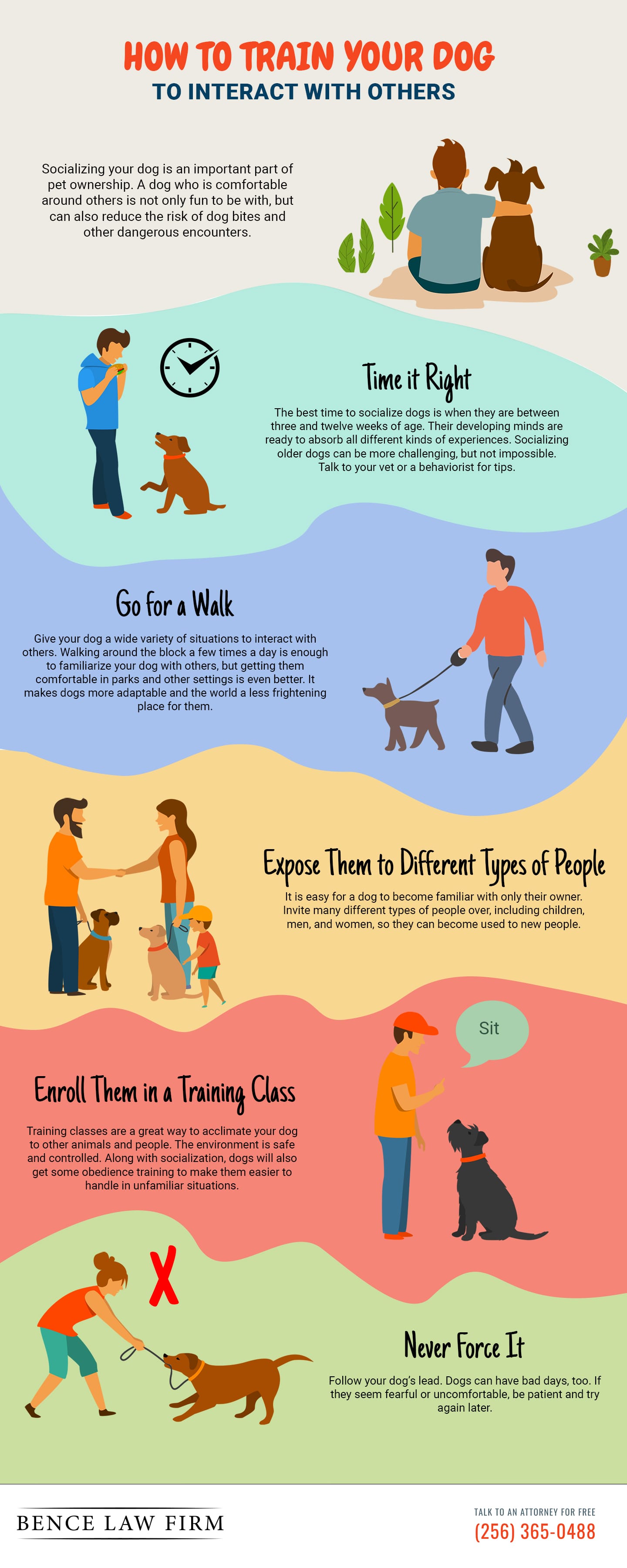
Dog walking is more than just a daily chore; it’s a vital activity that significantly contributes to your dog’s physical health, mental stimulation, and overall well-being. It also serves as a wonderful opportunity for bonding between you and your canine companion. Whether you are a new dog owner or have years of experience, understanding the best practices for dog walking can enhance this experience for both of you. This guide offers comprehensive dog walking tips, covering everything from getting started and ensuring safety to making every walk an enjoyable adventure. Regular walks are a cornerstone of a healthy dog care routine, and mastering them is key to a happy, well-adjusted dog.
Getting Started With Dog Walking
For those new to dog walking, the initial steps are crucial for establishing a positive relationship with leashes and the outdoors.
Gradually Introduce Leash Walking
Begin introducing your dog or puppy to walking on a leash in a calm and familiar environment. This helps minimize distractions and builds a positive association with the leash. Positive reinforcement, such as treats and praise, is highly effective in rewarding your dog for walking beside you. This is an integral part of effective leash training for dogs. Start with short walks and gradually increase the duration and complexity as your dog becomes more comfortable.
Invest in the Right Gear
Selecting the appropriate gear is essential for both comfort and control. A properly fitting harness ensures comfort, while a durable 6-foot leash made of materials like nylon or leather is ideal for beginners. For dogs with pulling issues, consulting a professional trainer is recommended before considering specialized collars. Additionally, dog booties can protect your dog’s paws from challenging terrain, hot surfaces, or salted sidewalks.
Establish a Consistent Walking Routine
The optimal frequency and duration of dog walks depend on your dog’s breed, age, health, and energy level. While individual needs vary, a general guideline is to aim for 30 minutes to two hours of walking per day. High-energy breeds and younger dogs may require more extensive walks, while senior dogs or less active breeds might be content with shorter strolls.
Prioritizing Safety During Dog Walks
Ensuring the safety of your dog, yourself, and the public is paramount when venturing outdoors.
Understand Canine Communication
Interpreting your dog’s body language is crucial for identifying signs of stress, fear, or aggression. Pay attention to cues such as perked ears (high alert), cowering or a tucked tail (fear/stress), or raised hackles and growling (aggression). Responding appropriately with reassurance, distraction, or by removing the dog from a stressful stimulus can prevent escalation. Over time, positive reinforcement and consistent exposure can help dogs manage triggers. Mastering dog’s body language is key to a safe walk.
Always Use a Leash
For most dogs, using a leash is the safest way to walk them outdoors. A sturdy leash prevents your dog from entering dangerous situations or areas. Furthermore, many regions have leash laws, making it illegal to let dogs roam off-leash in public spaces. While reliable recall training is valuable, a leash provides an essential extra layer of protection.
Choose Safe Walking Routes
Selecting safe routes minimizes risks during your walks. Opt for well-lit areas, especially during evening walks, and avoid busy roads, construction zones, or areas with aggressive wildlife. Avoiding potential hazards ensures a more pleasant and secure experience for both you and your dog.
Keep Vaccinations and Preventives Updated
Staying current with vaccinations and preventives helps protect your dog from parasites and transmissible diseases. Dog vaccinations typically require boosters annually or every three years. Ensure your puppy receives all necessary vaccinations before exposure to other dogs. Regular administration of heartworm, flea, and tick preventives is also crucial. These preventatives protect against serious diseases like Lyme disease and tapeworm, and parasites like fleas and ticks that can cause itchy skin.
Ensure Your Pup is Microchipped
A microchip provides an added layer of security, greatly increasing the chances of reuniting with your dog if they get lost or separated during a walk. Dog microchipping offers peace of mind and is a responsible measure for all pet owners.
Consider Weather Conditions
Adjust the duration and intensity of your dog walks based on the weather. Extreme temperatures may require protective gear, such as dog coats for cold or dog booties for hot surfaces. For dogs with seasonal allergies, monitor pollen forecasts and consider vet-approved allergy medications or wiping down your dog’s coat after walks during high pollen periods, as these can trigger spring allergies in pets and fall allergies in pets.
Carry Water
Always carry a dog water bottle, especially on longer walks or hikes. Preventing dehydration in pups is crucial in warm weather and equally important in cold, dry air, which can also lead to dehydration.
Infusing Fun Into Dog Walking
Once safety and basic training are established, you can add elements of fun to your dog walks.
Practice Basic Training
Incorporate basic training commands like “sit,” “stay,” and “heel” into your walks. Using positive reinforcement techniques during these sessions not only reinforces good behavior but also strengthens the bond between you and your dog.
Visit an Off-Leash Dog Park
An off-leash dog park offers a safe environment for your dog to run, socialize, and play fetch. This can be a great way for high-energy dogs to expend pent-up energy before heading home.
Explore Dog-Friendly Destinations
Discover dog-friendly restaurants, bars, and shops in your area to enjoy quality time with your canine companion. Many establishments welcome pets, allowing for extended outings.
Try Hiking
For a more vigorous activity, consider hiking on dog-friendly trails. It’s advisable to schedule a veterinary wellness exam beforehand to ensure your dog is physically prepared for the exertion.
Visit Pet Stores or Your Veterinarian
Many pet supply stores offer self-serve dog washes, which can be a convenient stop after a hike or a trip to the dog park. Additionally, regular visits to your veterinarian for “happy visits” can help your dog feel more comfortable and less anxious in a clinical setting. These positive experiences can make future veterinary care, including wellness exams, smoother.
Final Thoughts on Dog Walking Tips for Safety & Fun
Adopting these comprehensive dog walking tips can transform every outing into a positive and enriching experience for both you and your dog. By prioritizing safety, understanding your dog’s needs, and incorporating fun activities, you can ensure that dog walking remains a cherished part of your routine. For more pet parenting advice, consider subscribing to newsletters and following pet care experts on social media.
Sploot Veterinary Care is available to address any questions or concerns about your pup’s health. As a primary and urgent veterinary care clinic, we offer extended hours and accept same-day appointments. You can easily schedule an appointment online or through the Sploot Vets app. We are committed to supporting you through every step of your pet’s journey.
