
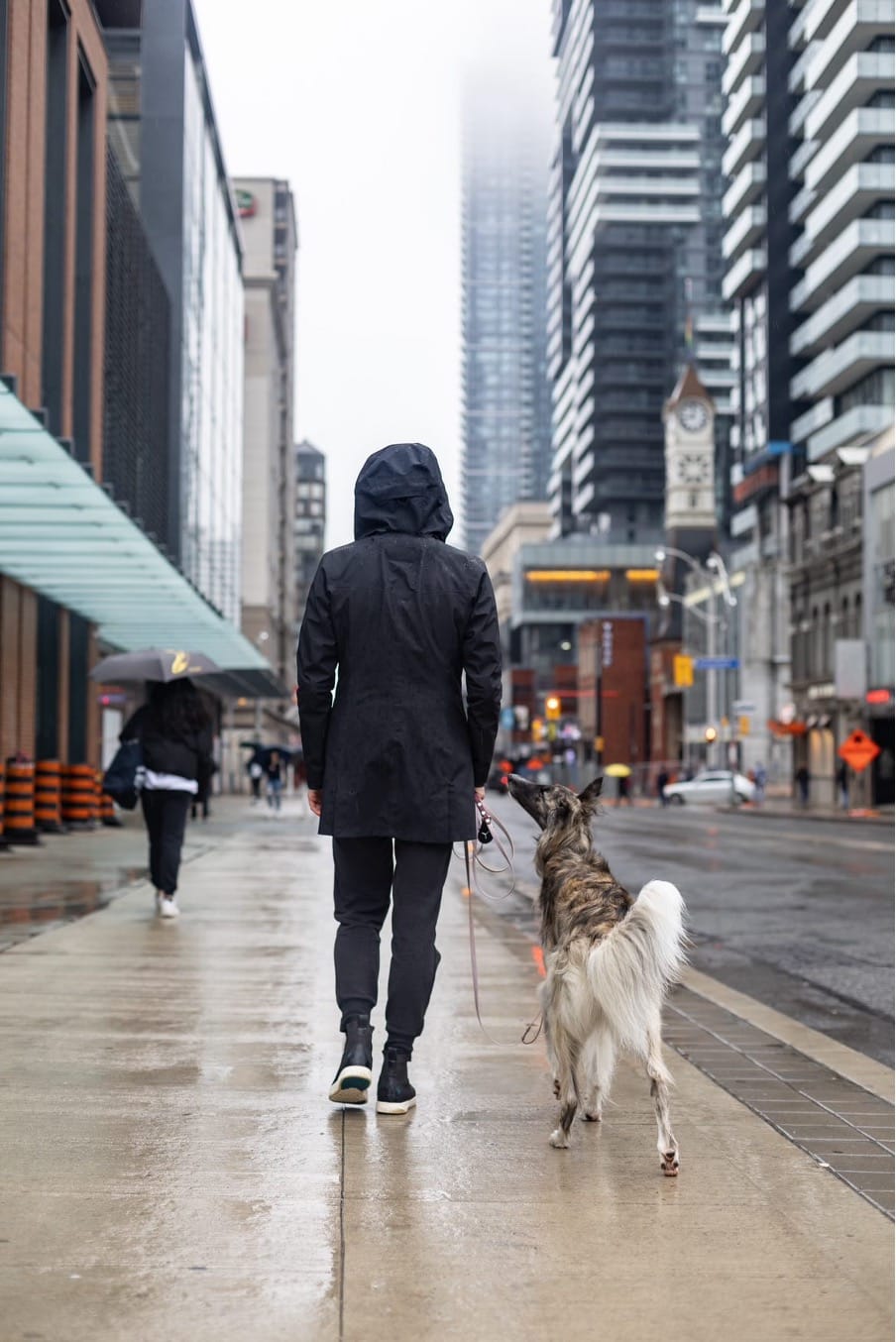
Taking your canine companion for a walk should be a joyful experience, but the outside world presents risks that are beyond your immediate control. Unlike the safety of your home, public spaces can harbor unseen dangers. It’s crucial to be aware of these potential hazards and take proactive steps to protect your dog. This guide focuses on two significant risks encountered in suburban environments: loose dogs and the possibility of losing your own pet, offering practical strategies to ensure safety during your outings.
The first major concern is encountering loose dogs. It’s wise to adopt a firm stance against off-leash dogs, as the “wait and see” approach can quickly escalate into dangerous situations. We cannot assume that other dog owners will consistently adhere to leash laws, prevent accidental escapes, ensure their dogs are behaviorally sound for off-leash activity, or have trained a reliable recall command. Therefore, the most effective approach is to focus on what you can control: your own actions and preparedness.
Strategies for Managing Loose Dogs
Avoidance is your primary tactic. Steer clear of areas where dogs are frequently off-leash, such as unfenced dog parks. If you spot an off-leash dog while out, create as much distance as possible to prevent an unwanted encounter. Should you be surprised by an approaching off-leash dog despite your best efforts to avoid it, have these tools ready:
- Abundant Treats: Over-stock your treat bag. These are not only for your dog’s training but can serve as a valuable distraction for an approaching loose dog. Offering a flurry of treats can momentarily preoccupy the dog, giving you a chance to increase distance.
- Compact Umbrella: The sudden opening of an umbrella can startle some dogs, deterring them from approaching. It can also serve as a visual and physical barrier between you and the dog.
- Spray Deterrent: A citronella-based deterrent spray, like Spray Shield, is effective for stopping an approaching dog or breaking up a potential scuffle. Keep it readily accessible, perhaps clipped inside your treat bag.
Crucially, situational awareness is paramount. The sooner you can identify a potential problem, the better equipped you will be to handle it. Leave earbuds at home and remain alert to your surroundings. For instance, hearing distant commotion can provide advance warning of a loose dog, allowing you to prepare your deterrents before the situation becomes immediate.
Preventing Your Own Dog from Getting Lost
While the threat from other dogs is significant, an equally important aspect of safety is preventing your own dog from getting away from you. This requires appropriate equipment and consistent use.
For most dogs, a reliable setup includes a properly fitted body harness paired with a safety cord or a locking carabiner, attached to a fixed-length leash. This combination offers a secure connection, minimizing the risk of accidental slips or breaks, and providing you with better control during walks. Investing in quality equipment is a fundamental step in responsible dog ownership and ensuring your dog’s safety on walks.
When considering overall average annual cost of dog ownership, it’s important to factor in the cost of reliable safety equipment. Ensuring your dog is securely leashed and harnessed is not just about preventing loss; it’s also about managing their interactions with the environment and other animals, contributing to a stress-free walking experience for both of you. Exploring options like pet sitting jobs singapore can also provide peace of mind if you need reliable care for your pet when you’re unable to walk them yourself.
By understanding these risks and implementing these strategies, you can significantly enhance the safety of your dog during outdoor excursions. Remember, preparedness and awareness are your greatest allies in navigating the potential hazards of the neighborhood.
