
Welcoming a dog into the family is often seen as a way to teach children responsibility, with the idyllic image of a child strolling with their beloved canine companion. However, entrusting this task to youngsters requires careful consideration of safety, maturity, and training for both the child and the dog. This guide delves into the critical factors to assess before allowing a child to walk the family dog unsupervised.
Understanding the Risks of Unsupervised Dog Walking
Dog walking, while seemingly straightforward, is a complex skill that professional dog walkers undertake with specialized training, insurance, and certifications in canine body language and handling. Children, lacking this expertise, can inadvertently face dangerous situations. It’s crucial to recognize that a child’s safety and the dog’s well-being depend on preparedness and realistic expectations.
Potential Dangers to Consider:
- Chasing Instincts: Dogs possess a natural instinct to chase moving objects. This could include wildlife, joggers, cyclists, or even cars. A child might not have the physical strength or the knowledge to control a dog determined to pursue a perceived “prey,” potentially leading to the child being pulled over or the dog escaping. For instance, even experienced handlers can be caught off guard, as illustrated by an instance where a dog lunged after geese, resulting in the owner’s fall. The question remains: is the dog reliably redirectable, and does the child know how to manage such a trigger?
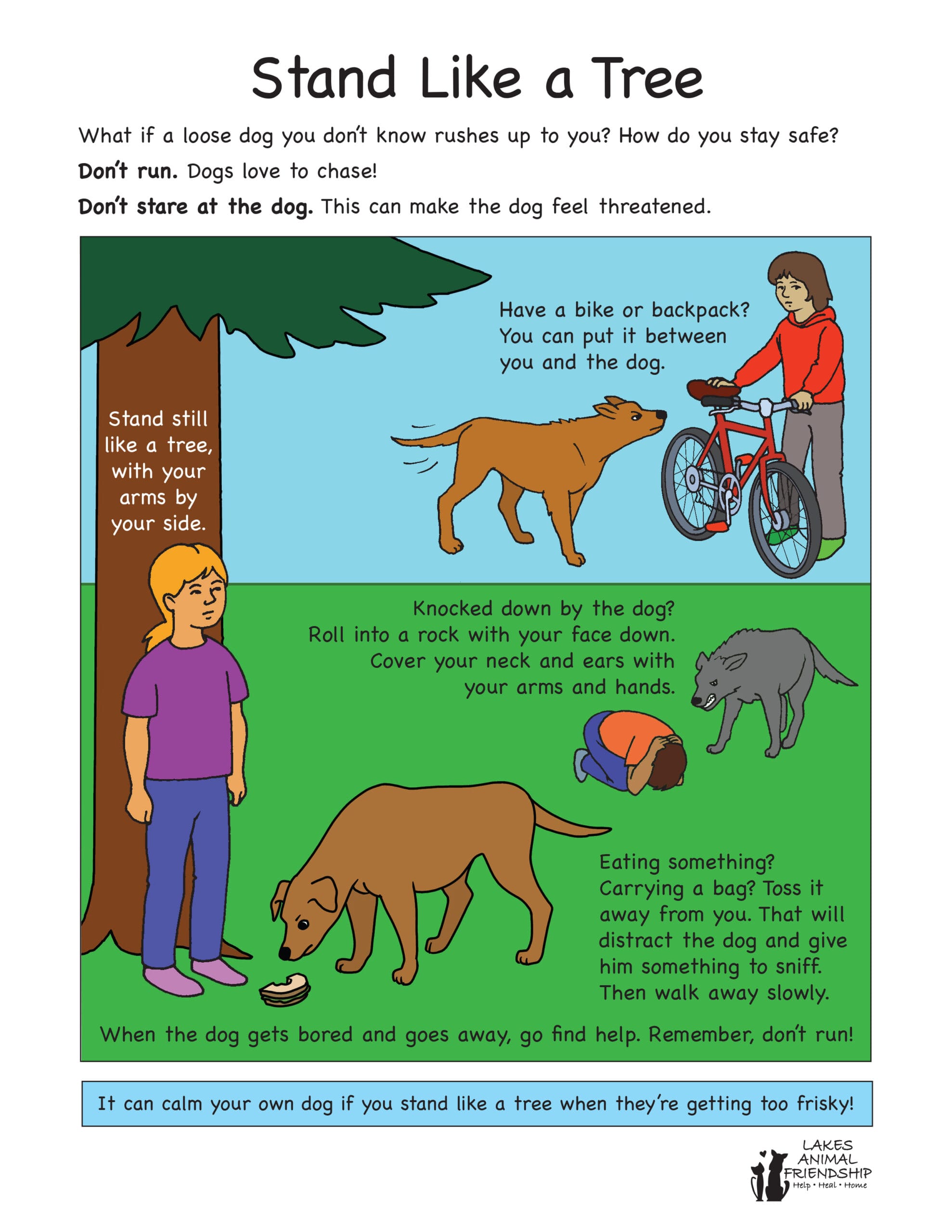
- Unpredictable Encounters: Despite a child’s best efforts, unpredictable events can occur. Other off-leash dogs, poorly controlled by their owners, can pose a threat, regardless of whether your dog is friendly. A child may not be equipped to de-escalate a confrontation with an aggressive or overly boisterous unfamiliar dog.
- Accidental Leash Releases: A moment of distraction can lead to a dropped leash, a common scenario. Tragically, this can result in a dog running into traffic, as in a heartbreaking case where a child lost their dog due to such an accident. This preventable loss underscores the severe consequences of inadequate supervision.
- Unwanted Interactions: Many people fail to respect leash laws or assume all dogs want to “say hello.” Even friendly dogs on leashes can have negative encounters. A child might struggle to assertively manage an owner who insists on a greeting when it’s not appropriate.
- Misinterpreting Canine Communication: Dog body language is nuanced and often misunderstood even by adults. Recognizing subtle cues like ear position, tail carriage, or tension is vital for preventing stressful or dangerous situations. A child’s ability to read these signals, along with those of other dogs, is essential for safe interactions.
Key Factors for Decision-Making
When deciding if your child is ready to walk the dog alone, consider the following:
Child’s Maturity and Responsibility:
- Emotional Regulation: Can your child remain calm and make sound decisions under pressure?
- Assertiveness: Is your child comfortable saying “no” to adults or advocating for the dog’s needs in challenging social situations?
- Patience and Positive Reinforcement: Does your child have a history of using positive methods to guide the dog’s behavior?
- Frustration Tolerance: How does your child react if the dog doesn’t immediately comply with a command?
Dog’s Training and Temperament:
- Reliability: Is the dog’s training solid enough to ensure a response to cues amidst real-world distractions?
- Socialization: Is the dog genuinely friendly towards people of all ages, sizes, and appearances, as well as other dogs?
- Reactivity: Does the dog exhibit reactivity to specific triggers like strangers, wildlife, bicycles, or vehicles?
- Physicality: Consider the size and strength difference between the child and the dog. A significant disparity can make control difficult.
- Leash Manners: Does the dog walk politely on a leash without pulling or lunging, using appropriate walking gear?
Environmental Considerations:
- Walking Environment: Is the chosen walking route safe and relatively low-traffic, or is it a busy urban street?
Recommendations for Safe Dog Walking Practices
If you are considering allowing your child to walk the dog, even with supervision initially, ensure the following:
- Appropriate Gear: Use secure harnesses or flat collars, avoiding retractable leashes, prong collars, choke chains, or shock collars. Specialized equipment like head halters or gentle leaders, while sometimes recommended for excessive pulling, should not be handled by a child.
- Gradual Introduction: Start with short, supervised walks in quiet areas, gradually increasing duration and complexity as both child and dog demonstrate proficiency.
- Professional Guidance: If your dog exhibits fear, aggression, or reactivity, seek professional help. A qualified trainer or behavior consultant can provide tailored guidance and support. Consider a fear and aggression consult to address specific behavioral concerns.
Ultimately, the decision rests on a thorough and honest assessment of your child’s capabilities, your dog’s temperament and training, and the potential risks associated with your chosen walking environment. Prioritizing safety and preparedness ensures that dog walking remains a positive and rewarding experience for the entire family.
Happy training!
