
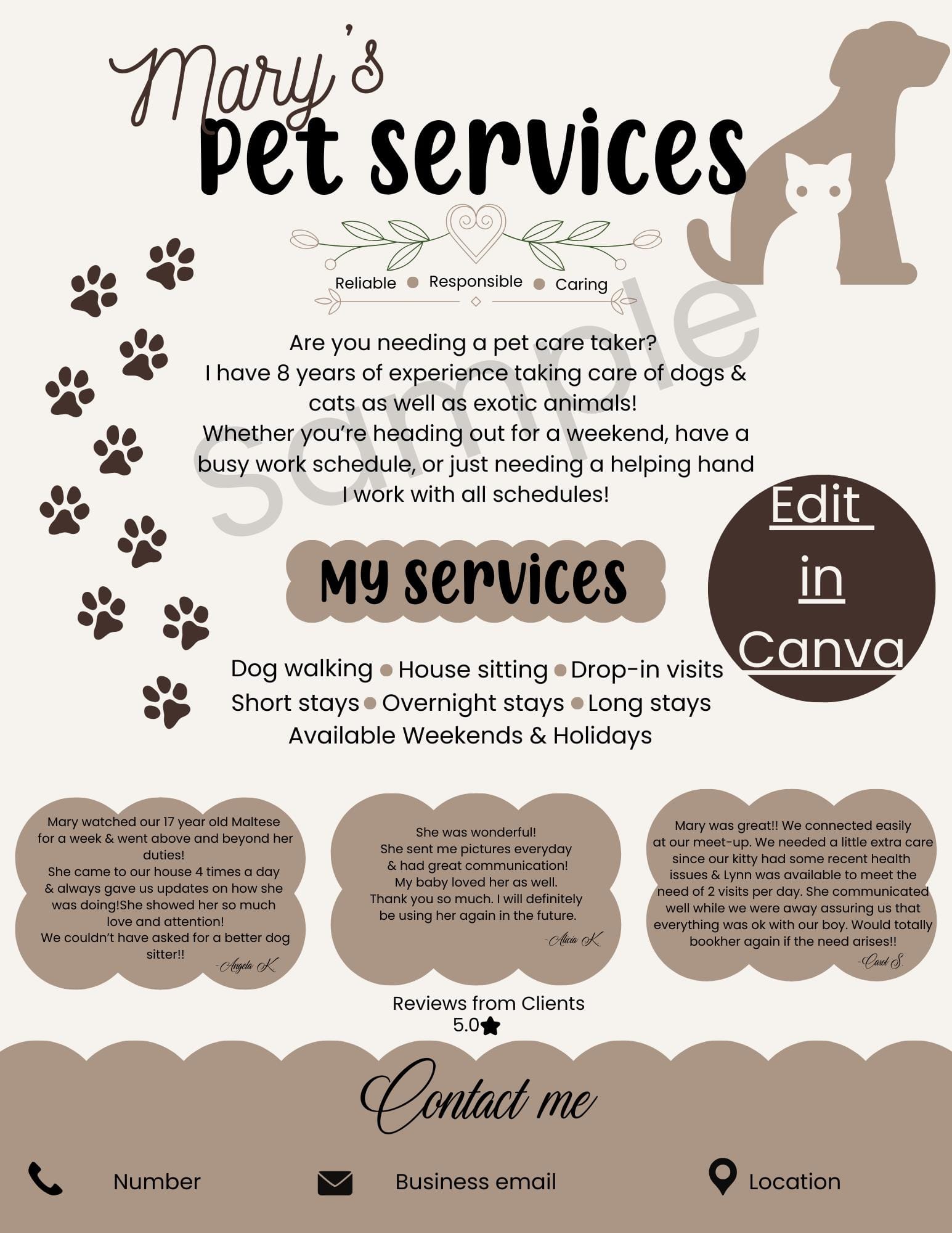
Navigating the world of pet care often leads us to consider the services of a dog walker. For those of us living in rural settings like a farm, the concept might seem distant. However, understanding the role and qualifications of a dog walker is crucial, especially if you’re considering hiring one or even venturing into this field. This article delves into the essential knowledge and qualities that define a professional dog walker, moving beyond the surface-level affection for animals.
Hiring a dog walker can be a lifesaver for individuals with demanding work schedules, providing much-needed exercise and mental stimulation for their canine companions. Many clients turn to dog walkers when their daily routines don’t allow for adequate attention to their pets’ needs, particularly for young puppies or dogs not suited for group daycare. This service is invaluable, enabling dog ownership for those who might otherwise struggle to provide the necessary care. However, the qualifications and professionalism of these walkers are paramount.
The Unseen Qualifications of a Dog Walker
When looking for a dog walker, it’s easy to be swayed by simple statements like “Our dog walkers love dogs!” While a genuine affection for animals is a great starting point, it’s far from sufficient. Just as loving medicine doesn’t qualify someone to perform surgery, loving dogs doesn’t automatically make them competent caregivers. Many websites for dog walking businesses highlight experience that can be circular – “Our walkers have experience walking dogs” – or rely on a history of pet ownership as the sole qualification. This is akin to entrusting a complex task to someone with only a superficial understanding, which can be risky.
Reliability and Trustworthiness: The Cornerstones of Service
Above all, dog walkers must be 100% reliable and trustworthy. They operate independently within clients’ homes, often unsupervised. This necessitates a high degree of integrity, ensuring they are dependable for their scheduled appointments and respectful of personal property. The thought of a walker rummaging through private belongings is unsettling, underscoring the importance of hiring someone you can implicitly trust.
Decision-Making Skills: Reacting to the Unexpected
The ability to make quick and sound decisions is another critical attribute. When faced with unexpected situations, such as loose dogs approaching the dog being walked, there’s little time for deliberation. This capacity for rapid, effective decision-making is rooted in knowledge. A well-prepared dog walker has a repertoire of strategies for various scenarios, such as de-escalating encounters with unfamiliar dogs or safely navigating challenging environments. This is a key differentiator from someone who simply “loves dogs” but lacks the practical know-how. For instance, knowing to use treats to distract approaching dogs, rather than panicking or yelling, can prevent dangerous confrontations.
Building Rapport: When Dogs Love Their Walkers
While less obvious than reliability, it’s vital that dogs also love their walkers. A successful dog walker possesses a personality that naturally attracts dogs. They must be able to enter a dog’s home, even when the owner is absent, and establish an immediate positive connection. This rapport ensures the dog is comfortable and willing to follow the walker, making the experience enjoyable and safe for the animal. This inherent likability is difficult to quantify but is a crucial indicator of a good match.
The Importance of Professional Knowledge and Training
Beyond personality, a professional dog walker needs a solid foundation in canine behavior and learning. This includes the ability to read a dog’s body language to understand their comfort levels and anticipate potential issues. For example, recognizing subtle signs of stress or discomfort can prevent negative interactions, such as allowing an unfamiliar child to pet a dog that is clearly uneasy.
Furthermore, understanding dog behavior and learning principles is essential to avoid inadvertently training undesirable habits. A walker who resorts to harsh leash corrections when a dog barks at another could inadvertently teach the dog to associate other dogs with pain, potentially leading to aggression. Given that dog walkers can significantly influence a young dog’s development, their training philosophy matters. A preference for positive reinforcement methods over dominance-based approaches is crucial for a dog’s well-being and behavioral health.
Business Acumen and Safety Protocols
A professional dog walking business should have clear policies and procedures. This includes details on whether walks are solitary or in groups, minimum walk requirements, and specific protocols for handling emergencies. Crucially, walkers should have first aid training and understand safe transportation methods if the dog needs to be moved.
Clients should also inquire about insurance and bonding. If a dog bites someone while under a walker’s care, the owner needs to know who is liable. The rise of app-based services has unfortunately led to a situation where individuals can be hired as dog walkers with minimal vetting, often sight unseen. It’s imperative to avoid such “Uber-like” services and opt for established businesses with transparent qualifications and safety measures.
Dog Walking as a Profession
The dog walking industry is growing, offering opportunities for those passionate about animals. However, it should be viewed as a profession requiring specialized knowledge and skills, not merely a casual job for “dog lovers.” Just as a plumber understands the intricacies of pipes, a professional dog walker should possess in-depth knowledge of canine behavior and care. This ensures the safety, well-being, and positive development of the dogs entrusted to their care.
If you’re considering hiring a dog walker, look for professionals who demonstrate reliability, strong decision-making skills, a natural affinity with dogs, and a solid understanding of canine behavior and training. Remember that the right dog walker is not just someone who loves dogs, but someone who understands them.
I would like to thank Aimee Moore from Dog’s Best Friend Training and Kelly and Matt Elvin from TipTopTails Dog Training for their valuable insights. Special thanks to dogtec for the use of their image.*
Meanwhile, back on the farm: Life continues with diverse activities. Jim is diligently working on constructing a platform for an upcoming tent camp, while I’m engaged in managing the sheepdogs and tending to the perennial gardens. Our cats observe our endeavors with apparent amusement, as captured in a photograph of Nellie. The garden, though requiring constant upkeep, promises a beautiful display of native prairie plants that attract butterflies, especially when the peonies are in bloom. It’s a blend of hard work and natural beauty, characteristic of our life here.
