
Embarking on a career as a professional dog walker or pet sitter can be a rewarding experience, offering flexibility and the joy of working with animals. However, success in this field relies on more than just a love for dogs; it requires the right tools and preparation. Having the appropriate equipment can significantly streamline your work, especially when managing multiple clients and their pets in various conditions. This guide delves into the essential gear and knowledge every professional dog walker and pet sitter needs to excel.
A professional dog walker’s role extends beyond simply taking a dog for a stroll. It involves responsibility for the pet’s safety, well-being, and often, providing peace of mind to the owner. From managing leashes and keys to ensuring preparedness for unexpected situations, the right equipment makes a crucial difference. For instance, a well-organized bag can hold everything from treats and waste bags to emergency supplies. This article will explore the indispensable tools, from a reliable car and smartphone to specialized gear like emergency collars and safety whistles, and also offer bonus advice on attracting clients and understanding earning potential.
Essential Gear for a Professional Dog Walker
1. Transportation: Your Vehicle is Key
For many professional dog walkers, a car is not just a convenience but a necessity, especially when clients are spread out. Travel time between appointments can range from a few minutes to over twenty, significantly impacting your daily schedule. Keeping your car stocked with essentials like water, coffee, snacks, and lunch is crucial for long days. Additionally, consider an insulated cooler bag for hot weather and a mileage log to track your travel for tax deductions.
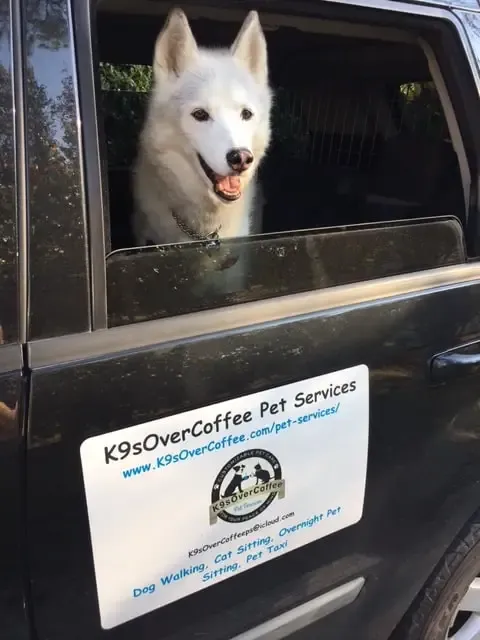 White senior Husky dog in black Jeep of a professional dog walker### 2. Smartphone: The Client’s Peace of Mind
A smartphone is indispensable for a professional dog walker and pet sitter. It’s the primary tool for providing clients with reassurance that their pets are in good hands. Using your phone, you can send photos and videos of your activities, such as walks, medication administration, or playtime, via text or email. This keeps clients informed and connected to their beloved pets while they are away.
 A professional dog walker and pet sitter gives a GSD dog pills with peanut butter### 3. Dog Walking Essentials: Bags, Collars, and Leashes
A dedicated bag, such as a fanny pack or crossbody bag, is vital for carrying all necessary items during walks. This includes client keys, poop bags, treats, your phone, tissues, pepper spray, and an extra collar. Fanny packs, particularly spacious ones like those from Wilderdog, are highly recommended for their ability to hold all essentials. Always ensure you have extra poop bags, as clients may run out or you might need them unexpectedly.
An emergency backup collar is a critical piece of equipment. A large-sized slip collar is recommended because it can fit dogs of various neck sizes. The need for a backup arose when a client’s flat collar broke mid-walk, highlighting the importance of preparedness. This type of collar, when used correctly, can also aid in polite leash walking.
[ [4. Safety and Security: Keys, Insurance, Whistles, and Sprays
Managing client keys requires careful attention; never leave client keys in your car, as this can lead to significant security breaches and costs for lock replacement, often covered by professional pet sitting liability insurance. Obtaining this insurance is highly recommended for your own protection.
Essential safety tools include a storm whistle and pepper spray. The storm whistle is incredibly loud and effective for deterring loose dogs and attracting attention if you need help. While the pepper spray is for emergency use, it provides significant peace of mind. A tick twister is also invaluable for safely removing ticks, especially during warmer months.
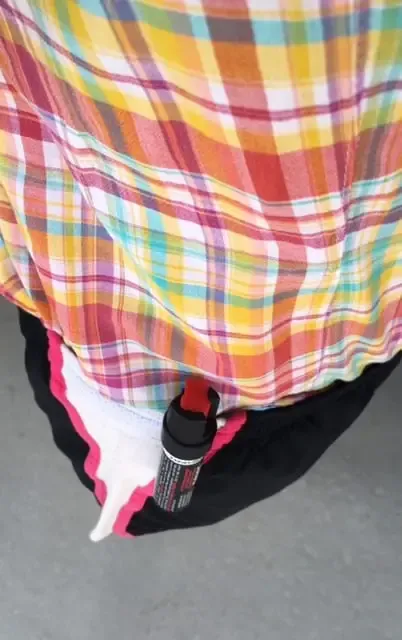 Professional dog walker wearing Clip-On Sabre Pepper Spray
 Professional dog walker wearing a Lanyard with a Storm Whistle And a Tick Twister
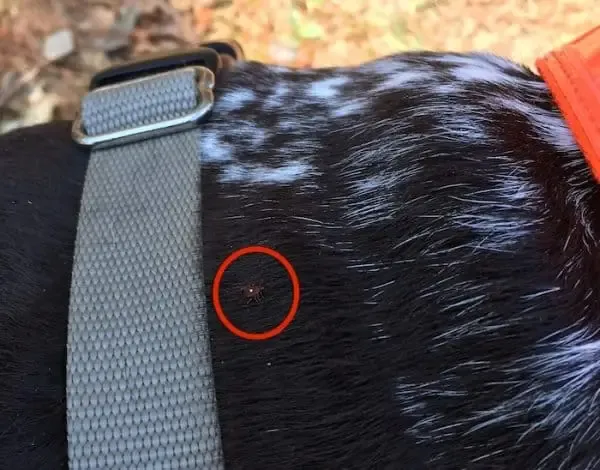 Lone Star Tick Crawling On GSP dog### 5. Organization and Client Communication: Software and Report Cards
Investing in professional pet sitting software, such as Pet Sitter Plus, can revolutionize scheduling and invoicing. Features like an app-like phone interface allow for efficient management of visits and payments on the go. While digital tools are powerful, maintaining a hard copy schedule as a backup is also wise, ensuring continuity even if internet access is unavailable.
Leaving weekly pet sitting report cards for clients is a valuable practice. These notes serve as proof of service, provide a summary of the pet’s activities, and act as cherished keepsakes for owners.
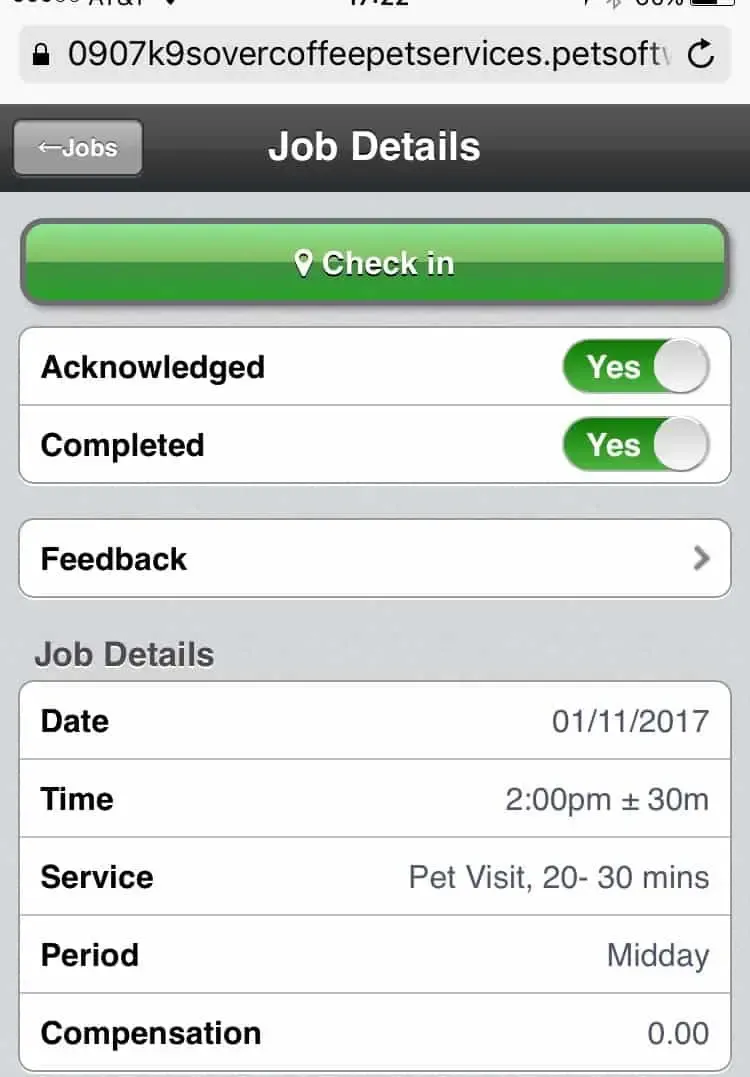 Virtual Pet Sitter Plus Schedule of a professional dog walker
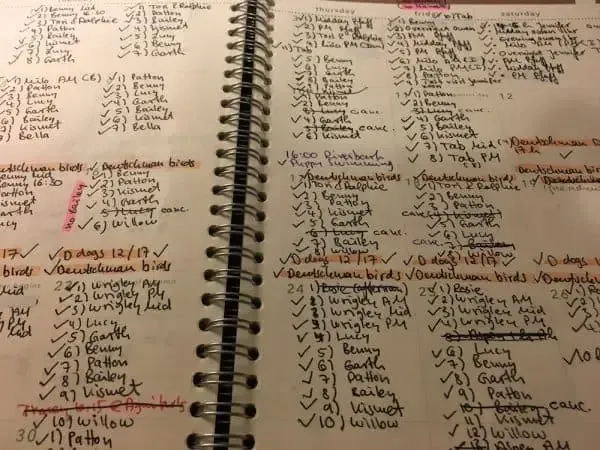 Hard copy Pet Sitting Schedule of a professional dog walker
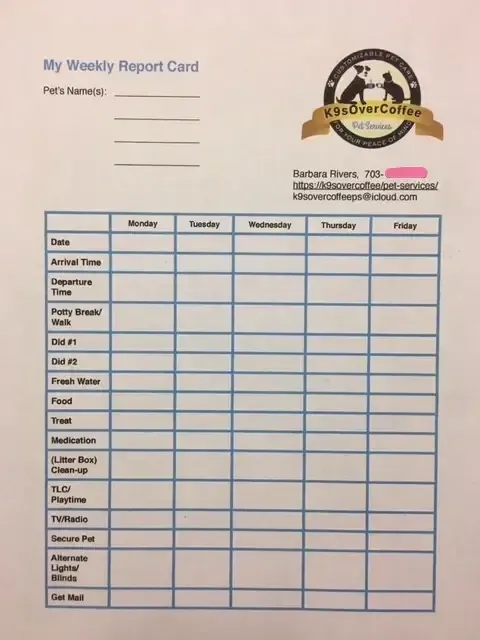 Weekly Report Card of a professional dog walker and pet sitter
Attracting More Clients and Understanding Earnings
Bonus Advice: Leverage Social Proof
Encourage satisfied clients to write reviews on your platforms, such as your Facebook page, or via email. These testimonials can be used as screenshots on your website, brochures, and mailers, providing potential clients with valuable social proof of your trustworthy services and ability to exceed expectations.
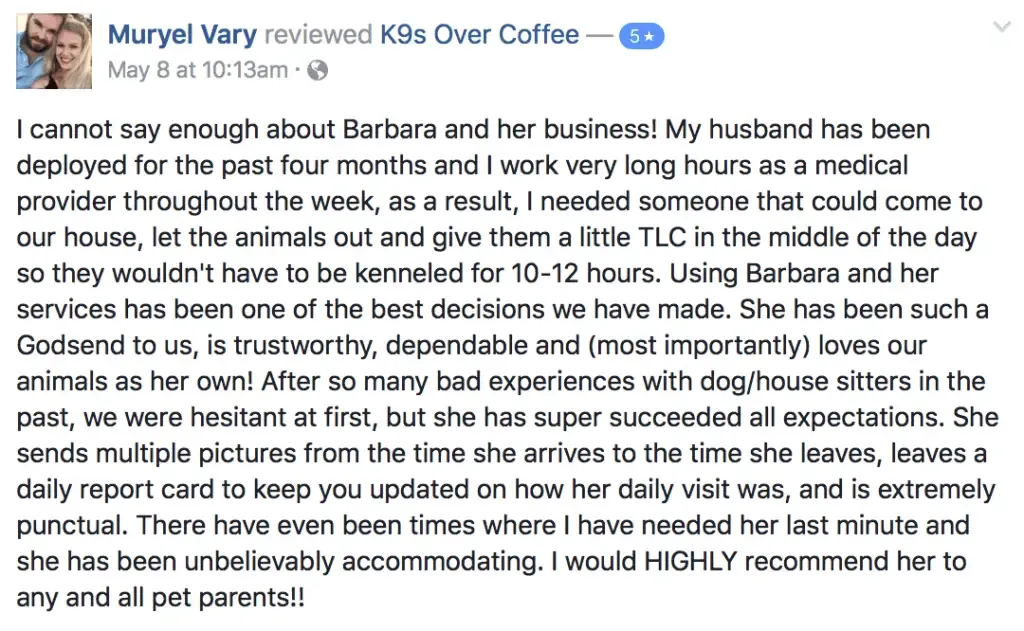 A Facebook Review From a happy dog walking client
How Much Do Professional Dog Walkers Make?
The earning potential for professional dog walkers and pet sitters varies based on several factors, including whether you operate solo or manage a team, your work ethic, client base, geographic location, and the range of services offered. As of 2025, Indeed reports that professional dog walkers earn an average of $21.65 per hour. Overnight pet sitting and pet taxi services typically yield the highest rates. Urban areas generally offer higher pay than rural locations. For example, rates might include $15 for a 30-minute walk, $25 for a 60-minute pet sitting visit, $70 for an overnight stay, and $35 for pet taxi services. Many professionals can average around $600 per week.
Conclusion: Tools of the Trade
Equipping yourself with the right tools and knowledge is fundamental to a successful career in professional dog walking and pet sitting. From reliable transportation and communication devices to safety gear and organizational software, each element plays a crucial role. Remember that many of these tools, excluding the smartphone itself, are tax-deductible, and a portion of your phone costs and home office expenses may also be claimable. For further guidance on starting and growing your business, consider resources like Pet Sitters International, Professional United Pet Sitters, and the book “Pet Sitting For Profit.”
For more resources on dog care and training, explore our comprehensive dog lifestyle library.
