
The world of pet care offers a variety of roles, and it’s common for people to wonder about the distinctions between them. Specifically, the difference between a dog walker and a dog trainer often causes confusion. While their paths may cross and there can be significant overlap, these roles are fundamentally distinct, requiring different skill sets and knowledge bases. Understanding these differences is crucial for pet owners seeking the best care for their companions.
A dog trainer is dedicated to teaching dogs specific cues and modifying their behaviors, often involving their human counterparts in group or private sessions. In contrast, a dog walker’s primary responsibility is to provide dogs with exercise and opportunities for elimination, typically during midday. While a dog walker might possess skills in teaching leash manners, this is not a mandatory requirement for the role. Similarly, a pet sitter provides care for pets when owners are away, which can include overnight stays or multiple daily visits, and may incorporate walking services.
Dog walkers play a vital role, especially for individuals with demanding schedules or physical limitations. However, their job doesn’t necessitate the comprehensive training knowledge of a dog trainer. Many dog walkers gain valuable experience and may transition into dog training, while others may remain solely focused on walking. The pet industry offers a diverse range of careers beyond these common roles, extending into specialized areas.
For roles such as dog trainers, groomers, veterinarians, and veterinary technicians, a significantly higher level of specialized knowledge and education is required. Veterinarians and technicians, in particular, undergo extensive formal education, including postgraduate studies, to meet stringent legal and regulatory standards.
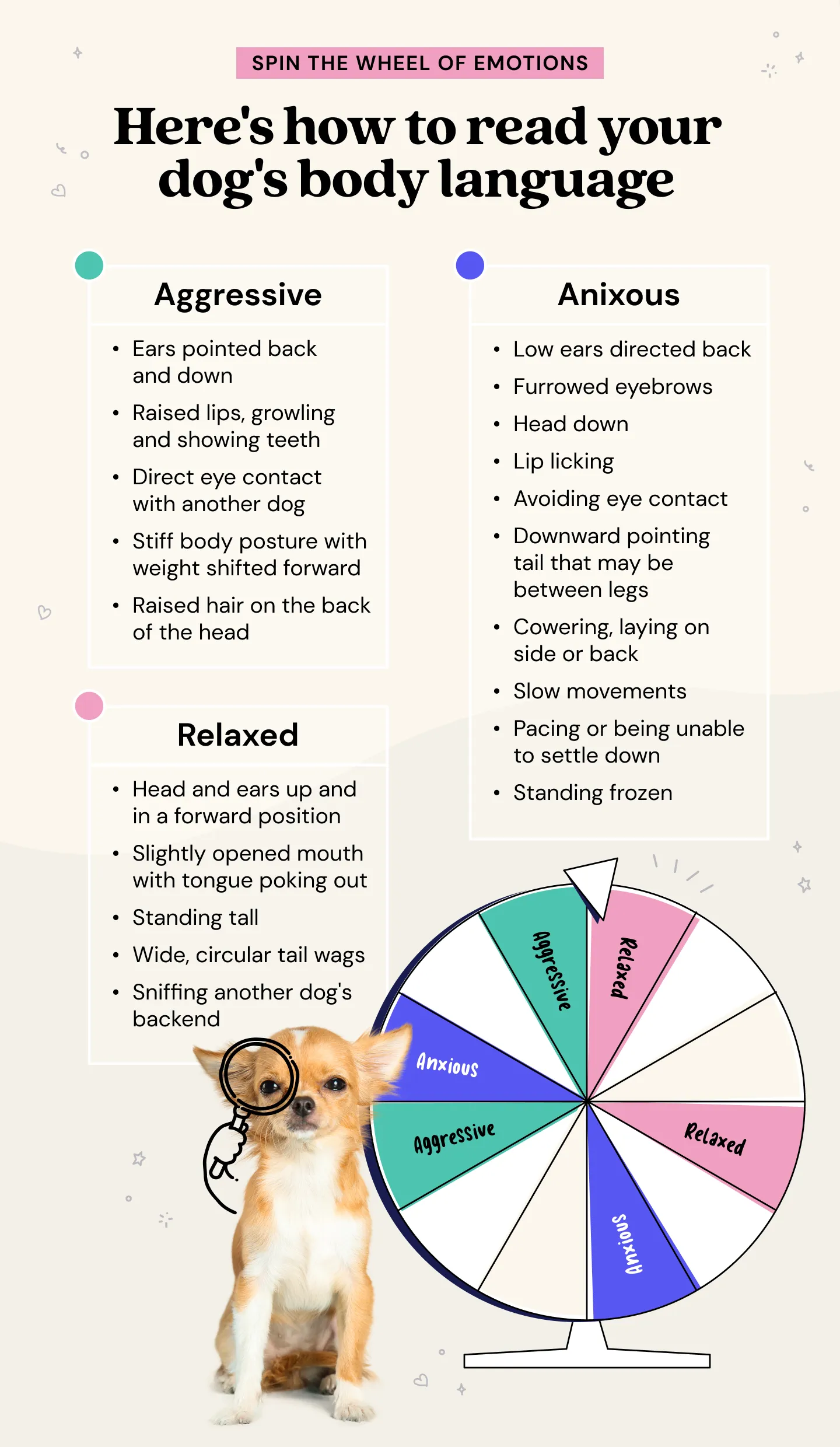
The journey to becoming a proficient dog trainer involves acquiring a deep understanding of canine behavior, learning various training methods, and developing the ability to adapt these methods to individual dogs’ needs, considering factors like size, breed, and temperament. This includes mastering canine body language to prevent bites and manage behavioral issues, understanding subtle communication signals, and recognizing signs of stress or aggression. Furthermore, dog trainers must be adept at creating and implementing training plans, communicating effectively with clients, and staying updated on the latest research and techniques in animal behavior.
The responsibilities of a dog trainer extend to selecting and utilizing appropriate equipment, such as harnesses and leashes, and addressing specific challenges like reactivity or separation anxiety. They must understand how dogs learn and respond to reinforcement, and increasingly, possess skills in digital media for client communication and business growth, including video recording, editing, and social media marketing. Many trainers find that podcasting and blogging are instrumental in sharing their methods and building a client base.
In group classes, trainers must manage multiple dogs and handlers, develop and adapt curriculum on the fly, and provide demonstrations and individual feedback. Training walks involve applying individual training plans, documenting progress, and educating owners on how to continue training at home. The field is vast, with specialists focusing on areas like service dog training, canine sports, or behavior modification for aggression. While trainers may become experts in a few specific areas, a general understanding across various needs is common.
The path to becoming a dog trainer can be facilitated through volunteering at animal shelters or rescues, or by gaining experience with established pet-sitting or dog-walking companies. Building relationships with other professionals in the field, including trainers, behavior consultants, and veterinarians, is also crucial. The pet industry thrives on ethical, kind, and knowledgeable professionals who are dedicated to the well-being of both animals and their owners.
Recommended Resources:
- Service Dog Training Books
- Best Books for Training Service Dogs
- The Art of Training Your Dog
- Dog Food Monthly Cost
- Where’s My Dog Book
Ultimately, while dog walkers provide essential services for canine exercise and well-being, dog trainers possess a specialized skill set focused on behavior and education. Both roles are valuable components of a comprehensive pet care ecosystem, contributing to the health and happiness of our canine companions.
