
Vomiting in dogs, medically known as emesis, is the forceful expulsion of stomach contents, which can include partially digested food or liquids. The appearance of vomit can vary greatly, from yellow bile to matter containing blood or mucus, depending on the underlying reason. In severe or unusual cases, dogs might vomit intestinal contents or even feces, which can signal serious issues like an intestinal blockage. This comprehensive guide will explore the different types of vomit, potential causes, symptoms to watch for, and how to manage this common canine ailment.
Common Types of Vomit in Dogs
Recognizing the type of vomit can provide clues to its cause.
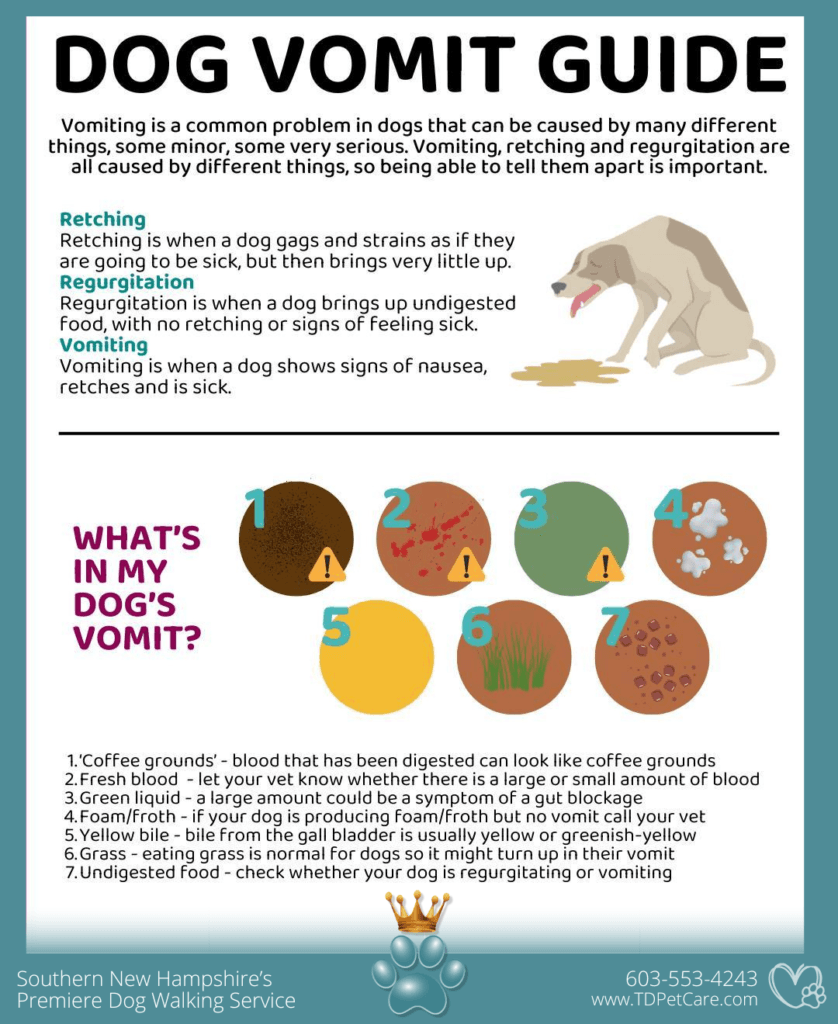
- Yellow Vomit: Often seen on an empty stomach after prolonged fasting, or after repeated vomiting episodes, yellow vomit typically consists of bile. It can also be a symptom of acid reflux. Infrequent occurrences in an otherwise healthy dog usually don’t warrant a vet visit.
- White, Foamy Vomit: This can indicate acid reflux. However, if accompanied by a distended abdomen or signs of pain, it could be a critical sign of bloat or gastric dilatation-volvulus (GDV), requiring immediate veterinary attention.
- Clear, Liquid Vomit: Rapid water intake leading to stomach distension can cause the expulsion of clear, slimy fluid. Isolated incidents typically don’t require medical intervention, but persistent or severe episodes do.
- Mucusy, Slimy, or Moldy Vomit: This type of vomit may suggest parasites, ingestion of spoiled food or contaminated water, or exposure to algae. Veterinary consultation is recommended in these cases.
- Bloody Vomit: Vomiting blood is a serious symptom and requires immediate veterinary care. The blood can appear bright red, gelatinous, or like coffee grounds, depending on the bleeding location. Collecting a sample can aid diagnosis.
- Brown Vomit: This could indicate digested kibble, fecal matter, or digested blood from lower in the digestive tract. It warrants an immediate vet visit.
- Grassy Vomit: Dogs may eat grass when feeling unwell, but a single instance of grassy vomit is rarely an emergency. Excessive grass consumption paired with other vomit types, however, might signal an underlying medical issue.
Symptoms of Vomiting in Dogs
Before vomiting, dogs may exhibit several signs:
- Lip-licking
- Excessive drooling
- Hunched body posture
- Abdominal contractions
- Retching
What to Do When Your Dog Vomits
A single vomiting episode may not be an emergency. You can manage mild cases at home by withholding food for a few hours and then offering a bland diet, such as cooked chicken and rice, along with a high-quality probiotic supplement like FortiFlora. Ensure your dog has access to fresh water, offered in small amounts or as ice cubes to prevent further stomach upset. After 24 hours of no vomiting, gradually reintroduce their regular food over 24-48 hours. However, if vomiting is persistent, contains blood, or if your dog has ingested something toxic or a foreign object, seek immediate veterinary attention. Signs of bloat or GDV are also emergencies.
Causes of Vomiting in Dogs
Vomiting can stem from various causes, including:
- Dietary indiscretion (eating something they shouldn’t have)
- Food allergies or intolerances
- Infections (viral or bacterial)
- Parasites
- Ingestion of toxins or foreign objects
- Gastrointestinal diseases (e.g., gastritis, pancreatitis, inflammatory bowel disease)
- Systemic illnesses (e.g., kidney disease, liver disease, diabetes)
- Medications
- Motion sickness
- Heatstroke
- Bloat (GDV)
- Cancer
Young, unvaccinated puppies and immunocompromised senior dogs may have a slightly increased risk of certain causes of vomiting.
Veterinary Diagnosis of Vomiting
Veterinarians diagnose the cause of vomiting through a thorough physical examination, detailed medical history, and diagnostic tests such as fecal exams, blood work, urinalysis, X-rays, ultrasound, or endoscopy.
Treatment for Vomiting in Dogs
Treatment varies based on the underlying cause and may include medications like Metoclopramide, Cerenia, or ondansetron to control nausea and vomiting. Medications to protect the stomach lining, such as sucralfate, famotidine, or omeprazole, may be prescribed for gastric ulcers. Fluid therapy is crucial for dehydration. Antacids, probiotics, and even ginger can also be part of the treatment plan.
Recovery and Management
Recovery time depends on the cause. Gradually reintroduce your dog’s normal diet over several days, potentially incorporating probiotics to aid gut health.
Preventing Vomiting in Dogs
While complete prevention isn’t always possible, you can minimize the risk by:
- Avoiding abrupt changes in diet.
- Ensuring food is fresh and not spoiled.
- Refraining from feeding unhealthy human foods.
- Preventing access to toys that can be easily destroyed and ingested.
- Storing all medications and toxic substances (pesticides, household cleaners, automotive supplies, essential oil diffusers, certain plants) safely out of reach.
- Maintaining a clean yard free of fecal matter.
- Using probiotic supplements to help manage stress-induced issues.
