
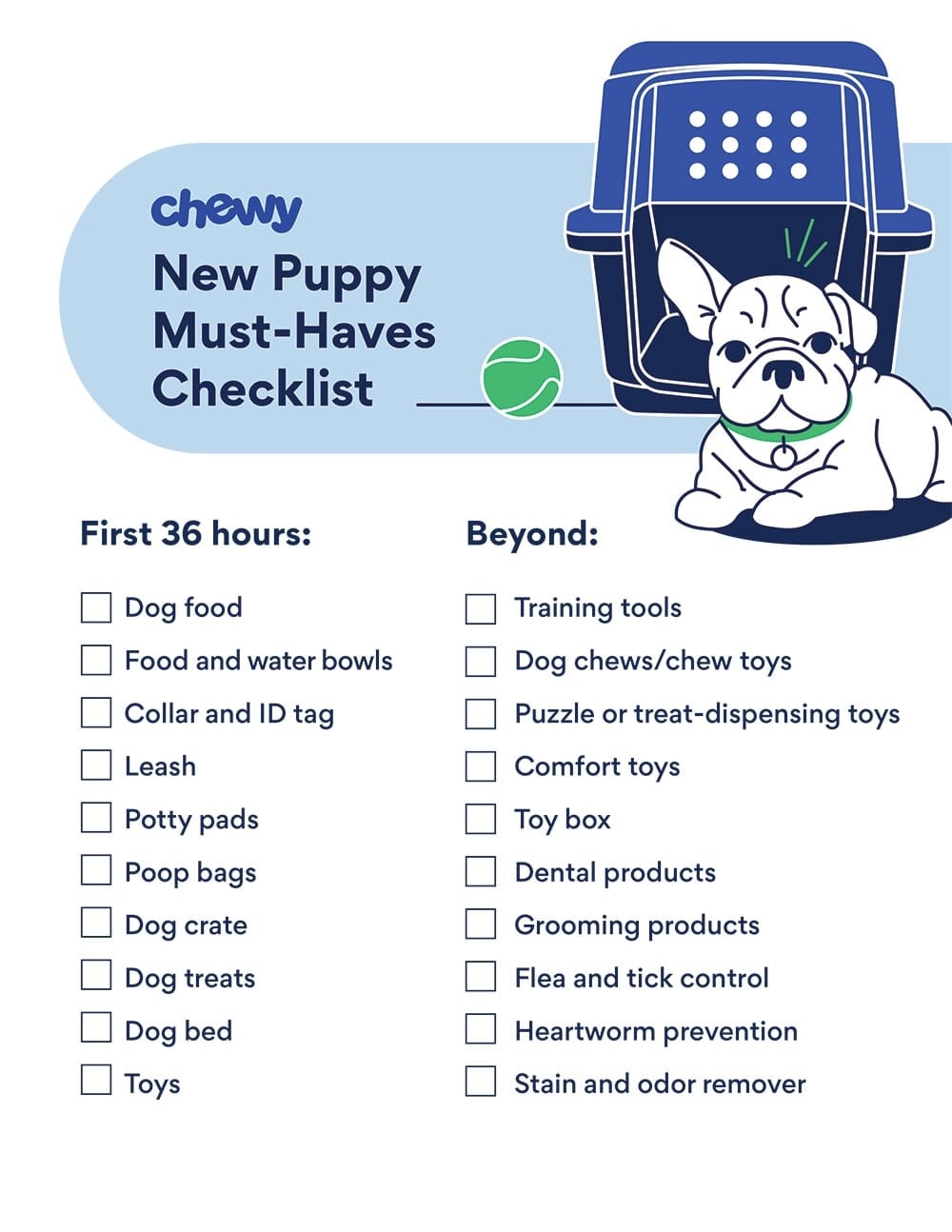
Welcoming a new puppy into your home is an incredibly exciting time, filled with wagging tails and boundless energy. One of the most crucial aspects of raising a well-behaved canine companion is effective training. Central to successful puppy training is the strategic use of dog treats for puppy training. These small rewards aren’t just tasty incentives; they are powerful tools that help shape your puppy’s behavior, build a strong bond between you, and make the learning process enjoyable for both of you. Understanding what makes a good training treat and how to use them effectively can transform your training sessions from a chore into a rewarding experience.
The Science Behind Puppy Training Treats
Puppies, much like human children, are motivated by rewards. Positive reinforcement training, which heavily relies on treats, works by creating a positive association with desired behaviors. When your puppy performs an action you like – sitting, staying, coming when called – and is immediately rewarded with a high-value treat, they learn to repeat that behavior. This simple yet powerful method leverages their natural desire for a tasty reward to encourage learning and obedience. The key is to make the treats so appealing that the puppy is eager to earn them.
Why High-Value Treats Matter
Not all treats are created equal, especially when it comes to puppy training. While a regular kibble piece might suffice for casual reinforcement, you need something more exciting for breakthrough moments or more challenging commands. High-value treats are typically:
- Small and Bite-Sized: Puppies have small stomachs, and you’ll be using many treats during a training session. Small treats prevent overfeeding and keep the puppy engaged without getting full too quickly.
- Aromatic and Palatable: A strong smell and delicious taste are crucial. Puppies are driven by scent, so a treat that smells appealing will capture their attention more effectively.
- Unique and Special: Using treats that are only given during training sessions makes them more special and motivating. This exclusivity elevates their perceived value.
Common examples of high-value dog treats for puppy training include small pieces of cooked chicken or liver, commercial training treats specifically designed for puppies, or even small cubes of cheese for some dogs.
Choosing the Right Dog Treats for Puppy Training
Selecting the best treats involves considering your puppy’s age, size, dietary needs, and preferences. It’s also important to factor in the training context.
Age and Size Appropriateness
For very young puppies, especially during potty training, treats should be exceptionally small and easy to digest. Look for options formulated for puppies, which often have softer textures and are made with ingredients suitable for their developing systems. Larger breeds might need slightly larger treats, but always err on the smaller side to manage calorie intake and keep training sessions dynamic.
Nutritional Considerations
Always check the ingredient list. Ideally, dog treats for puppy training should have minimal fillers, artificial colors, or preservatives. Opt for treats with real meat or other wholesome ingredients as the primary component. If your puppy has any allergies or sensitivities, it’s crucial to choose hypoallergenic or limited-ingredient treats. Consulting with your veterinarian is always a good idea to ensure the treats you choose are appropriate for your puppy’s specific health needs.
Texture and Durability
Some puppies have sensitive mouths, while others have strong jaws. Softer, chewier treats are generally preferred for training as they can be consumed quickly, minimizing interruption to the training flow. Harder biscuits might be better for occupying a puppy during downtime but can slow down the rapid reinforcement needed during active training.
Commercial vs. Homemade Treats
There’s a vast market of commercially available dog treats for puppy training. Brands often offer a variety of flavors and formulations specifically for puppies and training. Homemade treats offer control over ingredients and can be a cost-effective option. Simple recipes often involve ingredients like oats, peanut butter (xylitol-free), pumpkin, and lean meats, baked into small, bite-sized pieces.
Effective Strategies for Using Treats in Puppy Training
Simply handing out treats won’t automatically create a well-trained puppy. The how and when are just as important as the what.
Timing is Everything
The treat must be delivered within seconds of the desired behavior. This immediate reward helps your puppy connect the action with the positive outcome. If you wait too long, your puppy might associate the treat with whatever they were doing after the desired behavior, leading to confusion.
Use Treats as a Reward, Not a Bribe
A bribe is given before the behavior to encourage it. A reward is given after the behavior has occurred. For example, if you want your puppy to sit, you’d ask them to sit, and once they do, you give the treat. If you hold a treat in front of their nose and lure them into a sit, that’s luring, which can be a good starting point, but the actual reward comes after they perform the action independently. Over-reliance on luring without transitioning to delayed rewards can create a dependency.
Fade the Treats Gradually
Once your puppy consistently performs a command, you can begin to fade the treats. This doesn’t mean stopping treats altogether, but rather intermittent reinforcement. Sometimes reward with a treat, sometimes with praise, a pat, or a favorite toy. This makes the behavior more robust, as the puppy learns to perform the command even without the immediate promise of a treat. You can also transition to using their regular kibble as a reward for well-practiced commands.
Variety Keeps Them Engaged
Puppies can get bored with the same old flavor. Switching up the types of dog treats for puppy training can keep them more excited and motivated during training sessions. Rotate between different flavors and brands, or alternate between commercial treats and small pieces of healthy food rewards.
Beyond Treats: Complementing Training with Other Rewards
While dog treats for puppy training are invaluable, they shouldn’t be the only form of positive reinforcement.
- Verbal Praise: Enthusiastic praise like “Good boy!” or “Yes!” delivered in a happy tone can be a powerful motivator.
- Affection: A good scratch behind the ears, a belly rub, or a gentle pat can be just as rewarding, especially for puppies who thrive on physical connection.
- Play: For many puppies, a quick game of fetch or tug-of-war with a favorite toy can be a fantastic reward, especially after learning a command that requires focus.
The goal is to associate various positive experiences with obedience, making your puppy eager to please you in many ways.
Common Pitfalls to Avoid
When using dog treats for puppy training, it’s easy to fall into common traps.
Overfeeding
Puppies are prone to overeating, and training can add significant calories to their daily intake. Always factor training treats into your puppy’s total daily food allowance to prevent obesity. Many owners choose to use a portion of their puppy’s regular kibble as training treats to manage this.
Using the Wrong Treats
As mentioned, using treats that are too large, too hard, or not appealing enough can hinder progress. Similarly, using treats that cause digestive upset or allergic reactions will obviously do more harm than good.
Inconsistent Use
Training requires consistency. If you reward a behavior sometimes and ignore it other times, your puppy will become confused and progress will stall. Ensure all family members are on the same page regarding commands and reward systems.
Conclusion: The Paw-sitive Impact of Smart Treat Use
Dog treats for puppy training are more than just snacks; they are essential communication tools that build a foundation for a lifelong, positive relationship with your canine companion. By understanding your puppy’s motivations, choosing the right treats, and employing strategic training methods, you can unlock your puppy’s potential and foster a well-behaved, happy dog. Remember that consistency, patience, and a generous amount of positive reinforcement – including well-chosen treats – are the keys to a successful and rewarding training journey. Happy training!
