
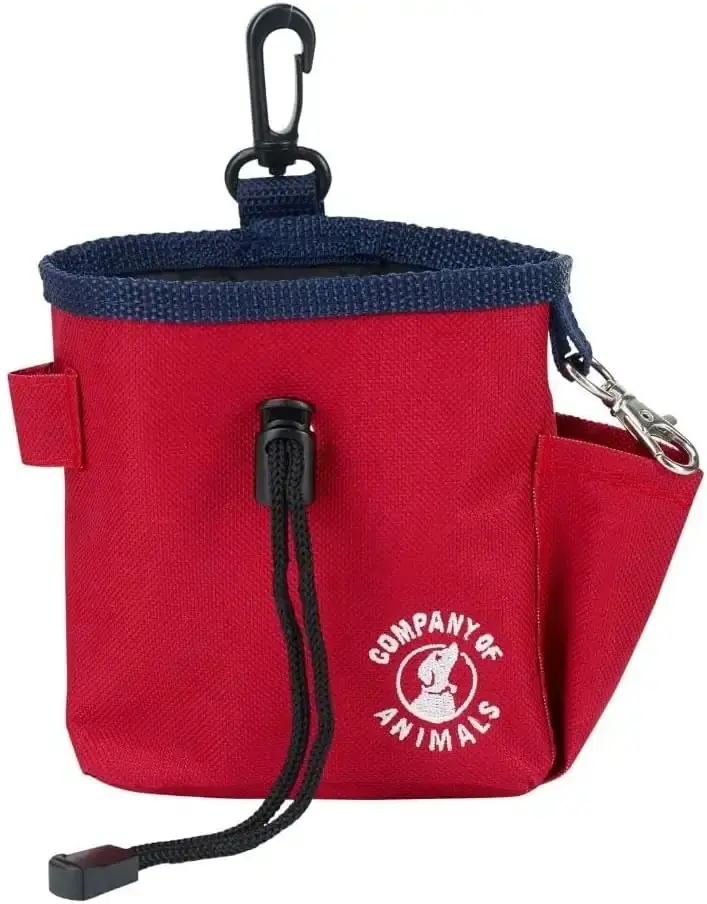
Having a dog is one of life’s great joys, but turning that bundle of furry energy into a well-behaved companion takes work. The secret to successful training isn’t magic; it’s consistency, patience, and timing. This is where a simple yet revolutionary tool comes into play: the Dog Treat Training Pouch. If you’ve ever fumbled in your pockets for a crushed treat, only to miss the crucial moment to reward your dog, then you already understand the problem this clever accessory solves. It’s more than just a bag—it’s the key to unlocking seamless, effective, and fun training sessions with your best friend. For those just starting, finding the right gear is essential, and a good dog treat pouch for training is a non-negotiable first step.
Why a Pocket or Ziploc Bag Just Won’t Do
Many new dog owners start by stuffing treats into their pockets. It seems logical enough, but it quickly leads to a few messy problems. Your pockets end up greasy and full of crumbs, your clothes smell perpetually of liver treats, and most importantly, you can’t get to the reward quickly enough.
Dog training is all about timing. To effectively reinforce a behavior, you need to reward your dog within one to two seconds of them performing the desired action. When you’re digging around in a tight jean pocket or wrestling with a Ziploc bag, that window of opportunity slams shut. The dog has already moved on, and the connection between their action (like a perfect “sit”) and the reward becomes blurry. This delay can confuse your dog and slow down the learning process significantly.
As renowned canine behaviorist Dr. Sarah Miller often says, “A treat pouch isn’t just about convenience; it’s about clarity. It allows you to deliver an immediate and clear ‘yes!’ to your dog, which is the cornerstone of effective positive reinforcement. It transforms your training from clumsy to clinical.”
A dedicated pouch eliminates this fumbling. It provides instant access to treats, allowing you to mark and reward good behavior the second it happens. This immediate feedback loop is what builds strong, reliable commands and a deeper bond between you and your pup.
Key Features to Look For in the Best Dog Treat Pouch
Not all treat pouches are created equal. When you start shopping, you’ll find a wide variety of styles, materials, and features. Choosing the right one depends on your training needs, your dog, and your personal preferences. Here are the essential features to consider.
Accessibility and Opening Mechanism
The single most important feature is how easily you can get a treat out of it. The opening should be wide enough for your hand to slip in and out comfortably without snagging. There are three common types of closures:
- Magnetic Closure: These are often the most popular choice. Magnets embedded in the rim of the pouch allow it to snap shut on its own, keeping treats secure, but open easily with a flick of the hand. This provides the perfect balance of security and lightning-fast access.
- Hinge Closure: Similar to old-fashioned coin purses, these pouches pop open and stay open until you snap them shut. They are fantastic for rapid-fire training sessions where you need constant access to treats without having to open the pouch each time.
- Drawstring Closure: While great for keeping treats secure and preventing spills if you bend over, drawstrings can be the slowest to operate. They often require two hands to open and close, which can be cumbersome during an active training session.
Material Matters: Durability and Cleanliness
Your treat pouch will be holding greasy, crumbly, and sometimes moist treats. It needs to be durable and easy to clean.
- Silicone: This is a fantastic option for cleanliness. Silicone pouches are non-porous, so they don’t absorb odors or oils. You can simply wash them in the sink with soap and water or even turn them inside out and pop them in the dishwasher.
- Nylon/Polyester: These are the most common materials. Look for high-quality, durable fabrics that are water-resistant to protect treats from rain. Many come with a waterproof lining that can be easily wiped clean. They are lightweight and often come with the most features.
- Canvas: A durable and stylish option, but it can be harder to clean and may absorb odors over time if not properly lined.
Carrying Styles and Comfort
How you wear the pouch is crucial for comfort and ease of use. It should feel secure and not get in the way, whether you’re at home, in a class, or out on a walk. A versatile dog training treat pouch with belt often provides the most stability.
- Belt Clip: The most basic option. A simple clip on the back of the pouch attaches to your waistband or pocket. It’s convenient but can sometimes be less secure, potentially falling off with a lot of movement.
- Waistband/Belt: Many pouches come with their own adjustable belt. This is a very secure and comfortable option, as it distributes the weight evenly and allows you to position the pouch wherever is most comfortable for you (front, side, or back).
- Over-the-Shoulder or Crossbody Strap: Some larger models function like a small bag, which can be great for longer outings when you need to carry more than just treats.
How to Supercharge Your Training Sessions
Once you’ve chosen your pouch, it’s time to put it to work. The pouch itself is a tool; your technique is what makes it effective. This is where you can combine tools for maximum impact, for example, many trainers learn to train a dog with a clicker in one hand while retrieving a treat from the pouch with the other.
- Load Up with High-Value Treats: Start with something your dog absolutely loves and doesn’t get all the time. Small, soft, smelly treats work best as they are quick to eat and highly motivating.
- Mark the Behavior: The moment your dog performs the action you want (e.g., their rear hits the floor for a “sit”), mark it with a verbal cue like “Yes!” or with the click of a clicker.
- Immediate Reward: Immediately after your marker word, reach into your pouch and deliver the treat. The sequence should be: Action -> Mark -> Treat.
- Keep Sessions Short and Fun: Dogs, especially puppies, have short attention spans. Keep your training sessions to 5-10 minutes at a time, ending on a positive note. Your pouch makes it easy to have multiple short sessions throughout the day.
- Fade the Lure: Initially, you might hold a treat to lure your dog into position. Once they understand the command, the treat should stay in the pouch until after they’ve completed the action. The pouch itself will become a wonderful visual cue that learning (and earning) is in session!
Beyond the Kibble: What Else to Pack
A great dog treat training pouch is more than just a snack dispenser. Most models come with extra pockets and features designed to make them the central hub for your walks and training outings. Consider them your command center. For the dedicated owner, a professional dog training treat pouch can hold everything you need.
Here’s what else you can pack:
- Poop Bags: Many pouches have a built-in dispenser for poop bags, making cleanup quick and easy.
- Keys and Phone: Secure zippered pockets are perfect for keeping your personal items safe.
- A Clicker: A D-ring or carabiner clip on the outside of the pouch is a perfect spot to attach a clicker for easy access.
- ID or Money: A small pocket for your ID and some cash or a card is always a good idea.
- A Ball or Small Toy: For dogs that are more motivated by toys than food, you can use the main compartment to hold a favorite toy for a game of fetch as a reward.
Frequently Asked Questions (FAQ)
What are the best treats to use in a dog treat training pouch?
The best treats are small, soft, and highly motivating for your specific dog. You want something they can eat quickly without getting distracted by chewing. Small pieces of cheese, boiled chicken, hot dogs, or commercial soft training treats work wonderfully. Avoid dry, crumbly biscuits that make a mess and take too long to eat.
How do I clean my treat pouch?
This depends on the material. Silicone pouches are the easiest—they can be hand-washed with soap and water or placed in the dishwasher. For nylon or fabric pouches, turn the liner inside out and wipe it with a damp cloth. Most can be hand-washed with mild detergent and left to air dry. Always check the manufacturer’s instructions.
Can I just use a fanny pack instead of a treat pouch?
While you can, a fanny pack isn’t ideal. They typically have zipper closures that require two hands and their fabric linings are not designed to handle greasy treats, making them difficult to clean and prone to smelling. A dedicated dog treat training pouch is designed for quick, one-handed access and easy cleaning.
Where is the best place to wear my treat pouch?
Most trainers prefer to wear the pouch on their side or slightly toward the front, on the opposite side of their dominant hand. This allows you to use your dominant hand for hand signals or a leash while your other hand delivers treats. Experiment to see what feels most natural and comfortable for you.
Will my dog become dependent on seeing the treat pouch?
Initially, the pouch is a strong signal that training is happening. This is a good thing! As your dog becomes more proficient with their commands, you can start practicing in different contexts without the pouch. You should also move to a variable reward schedule, where you don’t reward every single correct response. The pouch remains an essential tool for teaching new behaviors and for practicing in distracting environments.
Conclusion: Your Partner in Canine Communication
Ultimately, a dog treat training pouch is far more than a simple accessory. It is a bridge that closes the communication gap between you and your dog. It empowers you to provide the clear, consistent, and immediate feedback that is the bedrock of positive reinforcement training. By eliminating fumbling and delays, you create a more efficient, less frustrating, and far more enjoyable learning experience for both of you. Investing in a quality pouch is investing in your relationship with your dog, helping you build a well-behaved companion and a stronger, more joyful bond that will last a lifetime.
