
Welcome to the world of positive reinforcement, where a tasty morsel can be the key to unlocking your dog’s full potential. The concept of Dog Training With Food is simple yet profoundly effective, leveraging one of your dog’s most powerful motivators to build a strong, positive relationship. Forget outdated methods based on dominance; modern training is a partnership, and food is the currency of communication. It’s not about bribery but about creating a clear and rewarding system that tells your dog, “Yes, that’s exactly what I want!”
This approach turns learning into an exciting game for your canine companion. When you use treats effectively, you’re not just teaching commands; you’re building enthusiasm, focus, and a deep-seated desire to work with you. This method is backed by behavioral science and is the preferred technique of top trainers and veterinary behaviorists worldwide. For more advanced behavioral issues, understanding the principles of positive reinforcement is a crucial first step, much like it is for food aggression dog training. Whether you have a new puppy or want to teach an old dog new tricks, harnessing the power of food will transform your training sessions into moments of joyful connection.
Why Food is a Powerful Training Tool
At its core, using food in training is about tapping into primary reinforcement. Food is a resource all animals need to survive, making it an incredibly potent and reliable motivator. Unlike praise or toys, which can be subjective, the value of a delicious treat is universally understood by dogs.
The Science of Positive Reinforcement
Positive reinforcement training (+R) involves adding something the dog enjoys (a treat) immediately after they perform a desired behavior. This simple action makes the behavior more likely to be repeated in the future.
- Clear Communication: A treat acts as a clear marker, instantly telling your dog they did something right. This removes confusion and speeds up the learning process.
- Builds Positive Associations: When training is associated with rewards, your dog learns to love learning. They see you as the source of good things, strengthening your bond.
- Increases Motivation and Focus: A high-value treat can keep your dog engaged and focused on you, even in distracting environments. It helps them choose to pay attention to you over, say, a squirrel running across the yard.
Think of it like a paycheck for your dog. They perform a job (like “sit” or “stay”), and they receive immediate payment. This makes them eager to come to work the next day. This foundational concept is key to all forms of instruction, including the methods used in top dog obedience training.
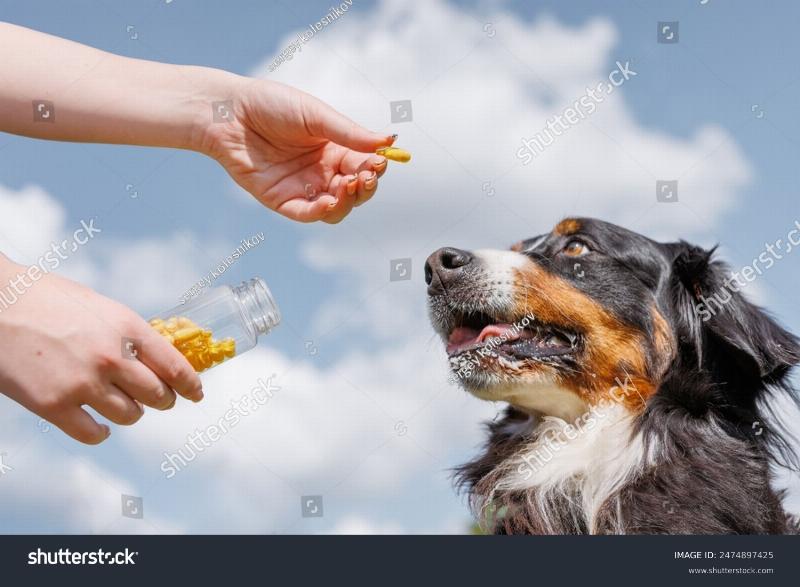 A close-up shot of a person's hand giving a small treat to a happy yellow Labrador retriever during a dog training with food session in a sunny park.
Getting Started with Food-Based Training
Beginning your journey with food-based training is easy. All you need are some tasty treats, a positive attitude, and your dog. Here’s a simple framework to get you started.
Choose Your Marker
Before you begin, you need a way to signal the exact moment your dog does the right thing. This signal is called a “marker.” It bridges the gap between the behavior and the reward.
- Verbal Marker: A short, crisp word like “Yes!” or “Good!” works perfectly. Keep it consistent and use an upbeat tone.
- Clicker: A small mechanical clicker provides a distinct and consistent sound that is even clearer than a verbal marker for many dogs.
To “charge” your marker, simply say the word or click the clicker, and then immediately give your dog a treat. Repeat this 10-15 times. Your dog will quickly learn that the sound predicts a reward is coming.
The Lure and Reward Technique
Luring is a fantastic way to teach new behaviors without any physical manipulation. You use a treat to guide your dog’s nose—and where the nose goes, the body follows.
- Teaching “Sit”: Hold a treat near your dog’s nose. Slowly move it upward and back over their head. As their head tilts up to follow the treat, their rear end will naturally lower into a sit. The moment their bottom touches the floor, mark (“Yes!”) and give them the treat.
- Teaching “Down”: From a sit, hold a treat at your dog’s nose and slowly lower it straight down between their paws. As they follow it, they will lie down. Mark the moment their elbows hit the floor and reward.
Is It a Bribe or a Reward? Understanding the Difference
This is one of the most common concerns among owners: “Am I just bribing my dog? Will they only listen if I have a treat?” The key is in the timing and application.
A bribe is shown to the dog to coax them into performing a behavior. A reward is given after the dog has performed the behavior.
Initially, the lure (the visible treat) acts as a motivator and a guide. However, the goal is to fade the lure as quickly as possible so the dog performs the behavior based on a verbal cue or hand signal alone. If you constantly have to show your dog a treat to get them to sit, that’s a bribe. If you ask your dog to sit and then give them a treat from your pocket after they do, that’s a reward. Understanding this distinction is fundamental, even when dealing with complex issues like dog training food aggression.
How to Fade the Food Lure
Fading the lure is a critical step in dog training with food. Once your dog reliably follows the treat into position (usually after 5-10 repetitions), it’s time to transition.
- Empty Hand Lure: Go through the exact same hand motion you used with the treat, but without a treat in your hand. When your dog performs the behavior, mark it and then reward them with a treat from your other hand or your pocket.
- Shrink the Signal: Gradually make your hand signal smaller and more subtle. For “sit,” this might eventually become just a slight upward flick of your finger.
- Add the Verbal Cue: Just before you give the hand signal, say your verbal cue (e.g., “Sit”). Your dog will associate the word with the action. Soon, you’ll be able to ask for a “sit” with just the word.
Choosing the Right Treats for Training
Not all treats are created equal. For training to be effective, the reward needs to be more exciting than the surrounding distractions.
High-Value vs. Low-Value Treats
Think of treats on a sliding scale of value from your dog’s perspective.
- Low-Value: Their regular kibble. Great for training in a quiet environment with no distractions.
- Medium-Value: Small, store-bought training treats. Good for practicing known cues or in moderately distracting environments.
- High-Value: The really good stuff! Think small pieces of cooked chicken, cheese, hot dogs, or freeze-dried liver. Save these for learning new, difficult behaviors or for training in highly distracting places like a park.
“The key is to match the value of the reward to the difficulty of the task,” advises Dr. Emily Carter, a veterinary behaviorist. “Asking for a simple ‘sit’ in your quiet living room might only require kibble, but asking for a reliable ‘come’ at the dog park requires something much more enticing to compete with the environment.”
Keep treats small—pea-sized is perfect for most dogs. You’ll be giving a lot of them during a session, and you don’t want to overfeed your dog or have them get full too quickly.
 An overhead shot of a variety of dog training treats arranged neatly on a wooden board, including kibble, small biscuits, and pieces of chicken, showcasing different values for dog training with food.
Moving Beyond Constant Rewards
Another goal of dog training with food is to move from a continuous reinforcement schedule (a treat for every correct behavior) to an intermittent one (treats for some, but not all, correct behaviors). This is the secret to maintaining strong, reliable behaviors over the long term.
Once your dog has mastered a cue and performs it correctly at least 90% of the time, you can start to randomize the food reward. Sometimes they get a treat, sometimes they get enthusiastic praise, and sometimes they get a jackpot (multiple treats!) for a particularly fast or enthusiastic response.
This principle is the same one that makes slot machines so addictive. The unpredictability of the reward keeps the player (or in this case, the dog) engaged and motivated to keep trying. This is an advanced technique, and for those seeking intensive programs, it’s worth exploring options like the send away dog training cost to see how professionals structure reward schedules.
Frequently Asked Questions (FAQ)
1. What if my dog isn’t motivated by food?
While rare, some dogs are less food-motivated than others. First, try using higher-value treats. If that doesn’t work, identify what does motivate your dog. It could be a favorite toy, a game of tug, or enthusiastic praise. You can use anything your dog loves as a reward in positive reinforcement training.
2. Will using food make my dog overweight?
This is a valid concern. To prevent weight gain, use very small treats. You should also account for training treats in your dog’s daily caloric intake by slightly reducing the amount of food you give them for their regular meals.
3. Can I use dog training with food to stop bad behaviors?
Yes, but indirectly. Instead of punishing the “bad” behavior, you teach and reward an alternative, incompatible behavior. For example, instead of punishing a dog for jumping on guests, you teach them to sit politely for greetings and reward them heavily for that. This is a much more effective and positive approach.
4. How long should training sessions be?
Keep them short and sweet! For most dogs, 5-10 minute sessions a few times a day are much more effective than one long, grueling session. Always end on a positive note with a behavior your dog knows well.
5. My dog gets too excited and can’t focus. What should I do?
This often happens with high-value treats. You can try using slightly lower-value treats to start. You can also teach impulse control exercises, like rewarding your dog for calmly waiting for a treat instead of snatching it. For local, hands-on help, seeking out a professional like those offering dog training brandon fl can provide personalized strategies.
The Takeaway: A Partnership Built on Positivity
Ultimately, dog training with food is about so much more than just treats. It’s a communication system that fosters trust, strengthens your bond, and makes learning a joyful experience for both you and your dog. By rewarding the behaviors you want to see, you are actively shaping your dog into a confident, well-behaved companion who is eager to please.
So grab some treats, call your dog, and start building a better relationship today. You’ll be amazed at how quickly you can achieve your training goals when you speak a language your dog enthusiastically understands.
