
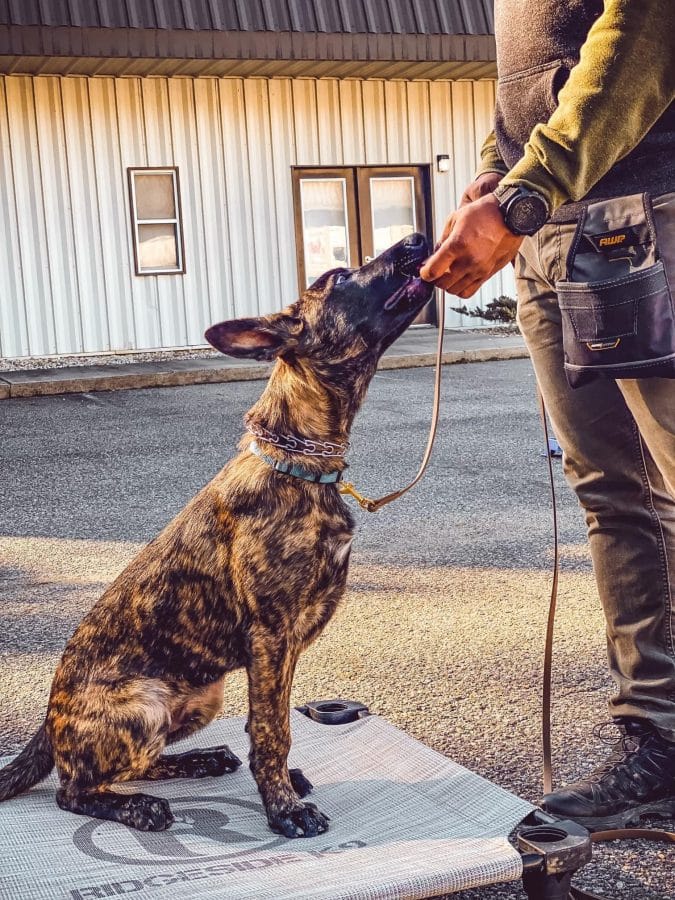
Washington D.C. is a vibrant city, and for many residents, their dogs are cherished members of the family. Whether you’re a longtime D.C. dweller or new to the area, providing your dog with consistent, effective training is crucial for a harmonious life together. From navigating busy city streets to enjoying the many dog-friendly parks, proper training ensures your canine companion is not only well-behaved but also a confident and happy participant in your urban adventures. This guide delves into the essentials of dog training in Washington D.C., offering insights and actionable advice for owners.
Understanding the Importance of Dog Training in an Urban Environment
Living in a bustling environment like Washington D.C. presents unique challenges and opportunities for dog owners. High traffic, close proximity to neighbors, and a plethora of distractions mean that a well-trained dog is a necessity, not a luxury.
- Safety: Basic obedience commands like “sit,” “stay,” and “come” are vital for your dog’s safety. In a city with constant movement, being able to recall your dog immediately can prevent accidents.
- Socialization: Proper socialization from a young age is key. Exposing your puppy to various sights, sounds, people, and other dogs in a controlled and positive manner helps them grow into a well-adjusted adult dog, less prone to fear or aggression.
- Manners: Leash manners are paramount. A dog that pulls on the leash can be difficult to manage in crowded areas. Teaching your dog to walk politely by your side makes city strolls enjoyable for both of you.
- Mental Stimulation: Training provides essential mental exercise for your dog. It helps prevent boredom, which can lead to destructive behaviors, and strengthens the bond between you and your pet.
Key Principles of Effective Dog Training
Regardless of where you live, certain training principles form the foundation of success. These are universally applicable and form the bedrock of most modern, positive reinforcement-based training methods.
Positive Reinforcement
This is the cornerstone of modern dog training. It involves rewarding your dog for desired behaviors, making them more likely to repeat those actions. Rewards can include:
- Treats: High-value, small, tasty treats are excellent motivators.
- Praise: Enthusiastic verbal praise (“Good boy!” “Yes!”) is a powerful reward.
- Toys: A favorite toy or a quick game of fetch can be a great reward.
- Affection: Petting and attention can also serve as rewards for many dogs.
The key is to deliver the reward immediately after the desired behavior occurs, so your dog clearly associates the action with the positive outcome.
Consistency is Crucial
Inconsistent training sends mixed signals to your dog. If “sit” sometimes means sit and other times means jump, your dog will become confused. Ensure all members of the household are on the same page regarding commands, rules, and reward systems. This consistency is especially important when navigating the diverse training philosophies you might encounter.
Patience and Understanding
Every dog learns at their own pace. Some dogs pick up new commands quickly, while others may need more time and repetition. Avoid getting frustrated. Instead, break down complex behaviors into smaller, more manageable steps. Celebrate small victories and understand that setbacks are a normal part of the learning process.
Short, Frequent Training Sessions
Dogs, especially puppies, have short attention spans. Aim for multiple short training sessions (5-10 minutes) throughout the day rather than one long, overwhelming session. This keeps training engaging and prevents your dog from becoming bored or tired.
Popular Dog Training Methods and Approaches
When seeking dog training in Washington D.C., you’ll encounter various methods. Understanding them can help you choose the best fit for your dog and your lifestyle.
Positive Reinforcement Training
As mentioned, this method focuses on rewarding good behavior. It’s highly effective, builds a strong bond, and is considered the most humane approach by many experts. Trainers using this method often incorporate clicker training, where a clicker sound is used to mark the exact moment the dog performs the desired action, followed by a reward.
Balanced Training
This approach combines positive reinforcement with the use of aversive stimuli (punishment) when a dog exhibits unwanted behavior. Tools like choke chains, prong collars, or electronic collars might be used. While some trainers advocate for balanced training, it’s crucial to work with a highly experienced professional who understands how to use these tools ethically and effectively, as improper use can lead to fear, anxiety, and aggression in dogs. Many modern trainers and organizations now lean heavily towards purely positive methods due to the potential risks associated with aversive techniques.
Force-Free Training
This is a subset of positive reinforcement that strictly avoids any method that could cause fear, pain, or distress to the dog. It emphasizes building confidence and a positive association with learning.
Finding a Reputable Dog Trainer in Washington D.C.
Choosing the right trainer is a critical step. A good trainer will not only teach your dog but also educate you on how to continue the training at home effectively.
Red Flags to Watch For:
- Guarantees: No reputable trainer can guarantee 100% results, as a dog’s behavior is influenced by many factors, including the owner’s consistency.
- Use of Harsh Methods: Be wary of trainers who rely heavily on intimidation, force, or pain-inducing equipment without clear justification or explanation.
- Lack of Clear Communication: A good trainer will clearly explain their methods and what to expect.
- No Emphasis on Owner Involvement: Training is a partnership. A trainer should empower you with the skills to manage your dog.
Questions to Ask Potential Trainers:
- What training methods do you use? Why?
- Are you certified by any professional organizations (e.g., CCPDT, IAABC)?
- Can you provide references from other clients in the D.C. area?
- What is your approach to socialization and problem behaviors like leash pulling or barking?
- What are your rates and package options?
Popular Dog Training Services and Facilities in the D.C. Metro Area
Washington D.C. and its surrounding areas offer a wide range of training options to suit every need, from puppy socialization to advanced obedience and specialized training.
- Puppy Socialization Classes: Crucial for young dogs, these classes provide a safe environment for puppies to learn social skills. Many facilities in D.C. offer these programs.
- Basic Obedience: Covers fundamental commands like sit, stay, come, down, and loose-leash walking.
- Advanced Obedience: For dogs who have mastered the basics, focusing on reliability in distracting environments.
- Behavior Modification: For addressing specific issues such as separation anxiety, reactivity, resource guarding, or excessive barking.
- Canine Good Citizen (CGC) Programs: These programs test a dog’s knowledge of basic obedience and good manners, encouraging responsible dog ownership.
- Agility, Nose Work, and Other Dog Sports: For owners looking to provide advanced mental and physical stimulation for their dogs.
When searching online, use terms like “dog training D.C.,” “puppy classes Washington,” or “dog behaviorist Alexandria, VA” to find local resources. Many D.C. area trainers offer both group classes and private, in-home sessions, which can be particularly convenient for busy urban dwellers. Some trainers may even specialize in urban dog training, understanding the unique challenges of city living.
Training Your Dog for D.C. Life
Tailoring your training to the specific environment of Washington D.C. can significantly improve your dog’s quality of life and your experience as an owner.
Navigating Public Transportation and Crowds
If you plan to use D.C.’s public transport or frequent busy areas like the National Mall, your dog needs to be comfortable in close quarters with many distractions.
- Desensitization: Gradually expose your dog to crowds and noises. Start in quieter areas and work your way up to busier locations.
- Place Training: Teach your dog to remain calm and settled on a mat or in a designated spot, even with distractions. This is invaluable for cafes or waiting areas.
- Leash Control: Practice loose-leash walking diligently. A dog that can walk calmly by your side is easier to manage in crowded spaces.
Enjoying D.C.’s Dog-Friendly Parks and Trails
From Rock Creek Park to the many smaller neighborhood parks, D.C. offers great outdoor spaces for dogs. Training ensures you can enjoy these areas safely and responsibly.
- Recall: A reliable recall is non-negotiable, especially in off-leash areas or parks where other dogs are present.
- Leave It: Teach your dog to ignore dropped food or other tempting items on the ground, which is crucial for their health and safety.
- Polite Greetings: Train your dog to greet other dogs and people calmly, without jumping or excessive exuberance.
Frequently Asked Questions about Dog Training in D.C.
Q1: What is the best age to start training my dog in Washington D.C.?
A1: You can start basic training and socialization as soon as you bring your puppy home, typically around 7-8 weeks old. Older dogs can also learn new tricks and behaviors; it may just take a bit more patience and consistency.
Q2: Are there specific dog training laws or regulations in Washington D.C. I should be aware of?
A2: Washington D.C. has leash laws requiring dogs to be leashed in public spaces unless in a designated off-leash area. Responsible dog ownership, including proper training and waste cleanup, is expected.
Q3: How long does it typically take to train a dog?
A3: The duration of training varies greatly depending on the dog’s age, breed, personality, the owner’s consistency, and the specific behaviors being taught. Basic obedience can often be established within a few months, while addressing complex behavioral issues may take longer.
Q4: My dog is showing signs of aggression. Should I use a trainer who uses balanced methods?
A4: For aggression or severe fear-based issues, it’s highly recommended to consult a certified applied animal behaviorist (CAAB) or a veterinary behaviorist. If working with a trainer, prioritize those with extensive experience in behavior modification using positive, force-free methods, as these are generally considered safer and more effective for complex issues.
Q5: Can I train my dog myself in D.C.?
A5: Yes, you absolutely can! Many owners successfully train their dogs using resources available online, in books, and through local training classes. However, for specific behavioral problems or if you’re a first-time owner, consulting a professional trainer can provide invaluable guidance and support.
Q6: What are the benefits of enrolling my dog in a training class in D.C.?
A6: Training classes offer structured learning, professional guidance, and crucial socialization opportunities with other dogs and people in a controlled environment, which is particularly beneficial in a busy city like D.C.
Conclusion: Building a Stronger Bond Through Training
Dog training in Washington D.C. is more than just teaching commands; it’s about building a communication bridge, fostering trust, and ensuring your dog can confidently and safely navigate urban life alongside you. By understanding the principles of positive reinforcement, choosing the right training resources, and remaining consistent and patient, you can cultivate a well-behaved, happy, and integrated canine companion. Embrace the journey of dog training, and unlock the full potential of the incredible bond you share.
