
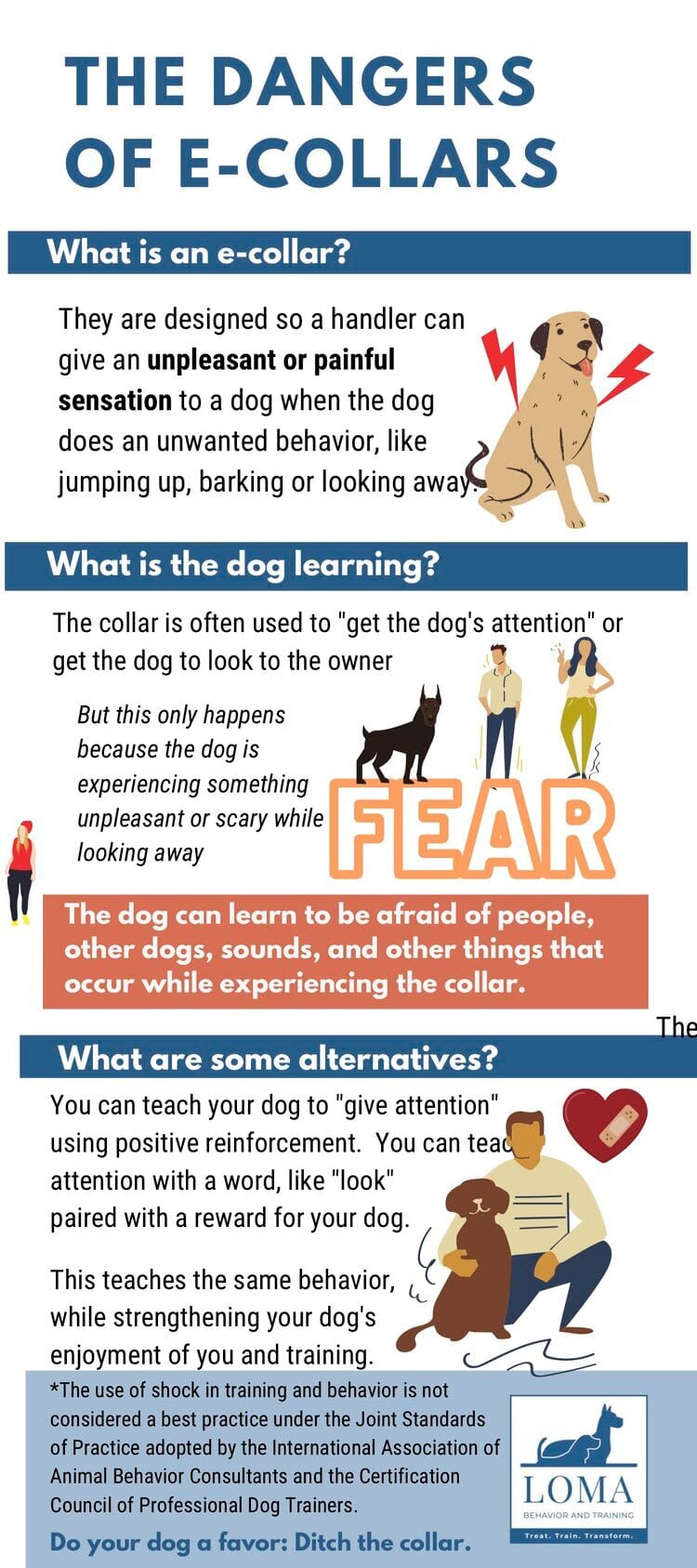
Electronic collars, often referred to as e-collars or shock collars, are a contentious topic in the dog training world. While proponents claim they offer a humane and effective method for correcting unwanted behaviors, critics raise serious concerns about their potential for causing physical and psychological harm to dogs. Understanding the nuances of e-collar training requires a deep dive into how they work, their potential benefits, and the significant risks involved. This guide aims to provide a balanced perspective, drawing on expert opinions and research to help you make an informed decision about whether this training method is right for your dog.
How Electronic Collars Work
At their core, electronic collars deliver a mild electrical stimulation to a dog’s neck. These collars are typically controlled by a remote, allowing the handler to deliver a correction when the dog exhibits a specific undesirable behavior. The intensity of the stimulation can usually be adjusted, ranging from a light vibration to a more noticeable “shock.” The theory behind their use is that the dog will associate the unpleasant sensation with its behavior and learn to avoid repeating it. Some e-collars also offer features like GPS tracking and vibration-only modes, which can be used as a less aversive cue.
Potential Benefits of E-Collar Training
Advocates for e-collar training often point to specific scenarios where they believe the tools can be beneficial. For instance, in situations where a dog’s safety is at immediate risk – such as running into a busy street – a precisely timed correction from an e-collar could potentially prevent a life-threatening accident. They are also sometimes used for recall training, particularly in open areas where a dog might be tempted to run off. For some breeds with extremely high prey drives or stubborn temperaments, trainers argue that e-collars can provide a more effective means of communication and control than traditional methods alone.
The Risks and Ethical Concerns
Despite potential benefits, the use of electronic collars is fraught with risks and ethical considerations. The primary concern is the potential for misuse, which can lead to a range of negative consequences for the dog.
Physical Harm
If not used correctly, or if the intensity is set too high, an e-collar can cause physical pain, burns, and even long-term tissue damage to a dog’s neck. The electrical stimulation, even at low levels, can be intensely uncomfortable and frightening for a dog, especially if it doesn’t understand why it’s receiving the correction.
Psychological Distress
Beyond physical pain, the psychological impact of e-collar training can be severe. Dogs subjected to improper use of these collars may develop anxiety, fear, and aggression. They might become generally fearful of their handler, associate the correction with unrelated stimuli, or even develop redirected aggression towards other dogs or people. This can manifest as trembling, hiding, excessive panting, or even defensive biting.
Undermining the Human-Animal Bond
A core principle of positive dog training is building a strong, trusting relationship between owner and dog. Critics argue that e-collars, by relying on punishment and fear, can erode this bond. Dogs may become less confident and more hesitant to interact with their owners, fearing unpredictable corrections. This can lead to a breakdown in communication and a strained relationship.
Limited Effectiveness and Alternatives
Many animal behaviorists and professional organizations, such as the American Veterinary Society of Animal Behavior (AVSAB), strongly advise against the use of e-collars. They argue that the potential for harm outweighs any purported benefits and that more humane, science-based training methods are equally, if not more, effective. Positive reinforcement techniques, which focus on rewarding desired behaviors, are widely considered to be the most ethical and effective approach to dog training. These methods build confidence, strengthen the bond between dog and owner, and address the root causes of unwanted behaviors without resorting to aversive stimuli.
Expert Opinions and Professional Recommendations
Leading animal behaviorists and veterinary organizations often express concern over the use of e-collars. Dr. Sophia Yin, a renowned veterinarian and animal behaviorist, highlighted the potential for e-collars to suppress behavior without addressing the underlying emotional state of the dog, which can lead to other problems. The Association of Professional Dog Trainers (APDT) and the Certification Council for Professional Dog Trainers (CCPDT) both advocate for force-free training methods and do not endorse the use of electronic shock collars.
When Considering Training Tools
If you’re struggling with a particular behavior in your dog, the first and most crucial step is to consult with a qualified, positive reinforcement-based dog trainer or a veterinary behaviorist. They can help identify the root cause of the behavior – which might be fear, anxiety, lack of exercise, or an unmet need – and develop a humane, effective training plan tailored to your dog’s specific needs.
While some trainers might argue for the judicious use of e-collars in specific, highly controlled situations, the overwhelming consensus among experts leans towards positive, reward-based methods. These approaches not only achieve training goals but also foster a healthier, happier relationship between you and your canine companion. The long-term well-being of your dog should always be the paramount consideration. If you are considering Dog Training Using Electronic Collar, it is essential to weigh the potential risks against any perceived benefits and to prioritize methods that are proven to be humane and effective. Explore alternatives and seek professional guidance before opting for any training tool that involves aversive stimuli.
