
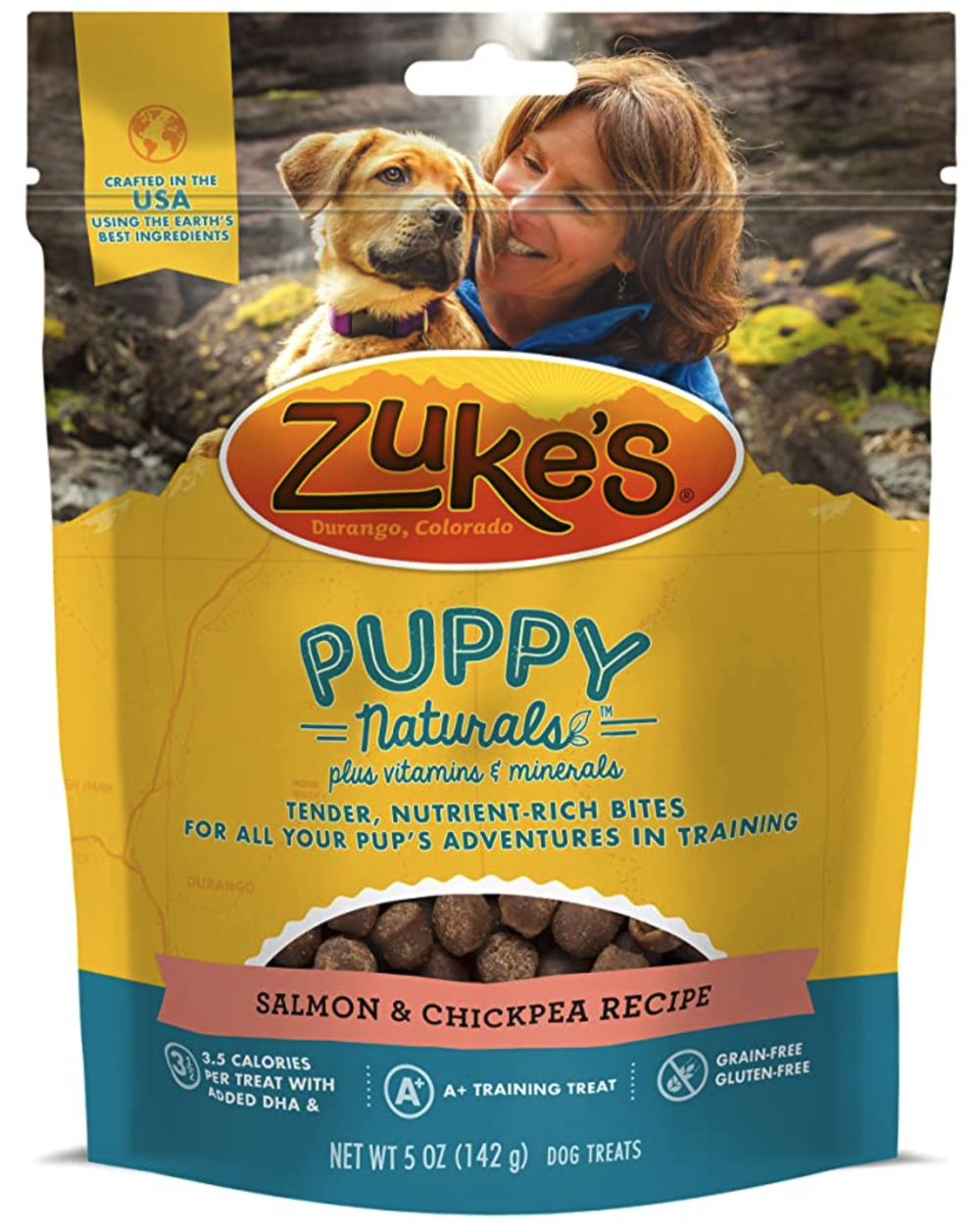
Training your dog is a rewarding experience, and using the right treats can make all the difference. When it comes to choosing the best training treats, especially for dogs with sensitivities, grain-free options are often a top consideration. But what exactly makes a treat “grain-free,” and why should you opt for them? Let’s dive into the world of grain-free dog training treats and explore why they’re a fantastic choice for a happy, healthy, and well-behaved canine companion.
Why Choose Grain-Free Dog Training Treats?
Many dogs can enjoy treats containing grains without any issues. However, some dogs have sensitivities or allergies to common grains like wheat, corn, and soy. These sensitivities can manifest in various ways, including digestive upset (vomiting, diarrhea), skin issues (itching, redness, hot spots), and ear infections. Grain-free dog training treats eliminate these common allergens, making them an excellent choice for dogs who experience adverse reactions to grains.
Beyond allergies, some owners simply prefer grain-free options as part of a holistic approach to their dog’s nutrition. They believe that by removing grains, they are providing a more natural and easily digestible diet. Whatever your reason, the market for healthy dog treats for training has expanded significantly, offering a wide variety of delicious and nutritious grain-free options.
Understanding “Grain-Free”
When a dog treat is labeled “grain-free,” it means it does not contain any grains such as wheat, corn, barley, oats, or rice. Instead, these treats typically use alternative carbohydrate sources like sweet potatoes, peas, chickpeas, potatoes, or lentils. It’s important to note that “grain-free” does not automatically mean “low-carb” or “high-protein.” The carbohydrate source simply changes. Always check the ingredient list to ensure the overall nutritional profile of the treat aligns with your dog’s dietary needs and your training goals.
What to Look For in the Healthiest Dog Treats for Training
When selecting grain-free training treats, consider these key factors:
1. High-Quality Protein Source
Look for treats where a recognizable meat source (like chicken, beef, salmon, lamb, or turkey) is listed as the first ingredient. This ensures your dog is getting a protein-rich reward, which is often highly motivating for training.
2. Limited, Wholesome Ingredients
The fewer ingredients, the better, especially for dogs with sensitivities. Opt for treats with a short, easily understandable ingredient list. Avoid artificial colors, flavors, preservatives, and excessive fillers.
3. Appropriate Size and Texture for Training
Training treats should be small and easily breakable. This allows you to reward your dog frequently without overfeeding. A semi-moist or soft texture is often preferred by dogs and makes them easy to chew quickly, keeping training sessions flowing.
4. Nutritional Value
While training treats are given in small quantities, they still contribute to your dog’s overall diet. Look for treats that offer some nutritional benefits, such as added omega-3 fatty acids for skin and coat health, or antioxidants for immune support.
5. Appeal to Your Dog
Ultimately, the best training treat is one your dog loves! Different dogs have different preferences, so you might need to experiment to find their favorite flavor and texture.
Top Grain-Free Dog Training Treats to Consider
Navigating the vast options can be overwhelming. Here are some highly-regarded grain-free dog training treats that are popular among dog owners and trainers:
Natural Balance L.I.T. (Limited Ingredient Treats): These are a fantastic choice for dogs with sensitivities. They come in various protein sources like sweet potato and duck, or sweet potato and fish, and are known for their simple, limited ingredient lists. They are soft, chewy, and perfectly sized for training.
Blue Buffalo Blue Bits Training Treats: Blue Buffalo offers several grain-free lines. Their Blue Bits are bite-sized, soft-baked treats made with real meat as the first ingredient. They are free from grains, corn, wheat, and soy, making them a popular and healthy choice.
Wellness Soft Puppy Bites Grain-Free: While specifically marketed for puppies, these small, soft treats are also excellent for adult dog training, especially for dogs who need smaller rewards. They are made with wholesome ingredients and real meat.
Zuke’s Mini Naturals: These are another popular soft, chewy option. Zuke’s Mini Naturals are made with real meat and wholesome ingredients like berries and rosemary. They are naturally preserved and come in many appealing flavors. Their small size makes them ideal for frequent rewards.
Wellness Core Superfood Training Treats: For a nutrient-dense option, Wellness Core grain-free treats are packed with proteins and antioxidants from fruits and vegetables. They are a bit firmer than some other soft treats but are still easily digestible and highly palatable for many dogs.
Riley’s Organics Peanut Butter & Pumpkin Treats: If you’re looking for simple, organic ingredients, these are a great pick. Made with just a few wholesome ingredients like organic peanut butter, organic pumpkin, and organic oat flour (note: while oat flour is technically a grain, it’s often tolerated by dogs with wheat sensitivities; however, if strict grain-free is needed, check labels carefully or opt for other brands), they are a healthier alternative to many commercial treats. Self-correction: For strict grain-free, ensure no oat flour if wheat/oat sensitivity is a concern. Many Zuke’s or Wellness options are more reliably grain-free.
Purina Pro Plan Training Treats: Purina Pro Plan has expanded its line to include grain-free options formulated with real meat and beneficial nutrients. These are designed to be highly palatable and effective for training.
Using Training Treats Effectively
Even with the best grain-free dog training treats, effective use is key:
1. Use Sparingly and Strategically
Training treats should be used as rewards for desired behaviors. Don’t offer them constantly, as your dog might become reliant on them and less motivated by praise alone. Have a plan for when and why you’re using a treat.
2. Keep Them Small
As mentioned, small, bite-sized treats prevent overfeeding and keep your dog from becoming full too quickly. If a treat is too large, break it into smaller pieces.
3. Mix It Up
While consistency is good, sometimes switching up the type of treat can keep your dog more engaged and excited during training sessions. Just ensure any new treats are also suitable for your dog’s dietary needs.
4. Transition Slowly to New Treats
If you’re switching to a new brand or type of grain-free treat, do so gradually over several days. Mix the new treats with the old ones, slowly increasing the proportion of new treats to minimize the risk of digestive upset.
5. Consider Alternatives for Advanced Training
As your dog progresses, you can phase out treats for some behaviors, relying more on verbal praise, petting, or a favorite toy as rewards. However, for many dogs, treats remain a powerful motivator for learning new skills or reinforcing good habits. For those seeking the ultimate in training, buying a trained dog can also be an option, though it comes with its own set of considerations.
Conclusion
Choosing grain-free dog training treats is a thoughtful decision that can benefit dogs with sensitivities or those on specific diets. By focusing on high-quality ingredients, appropriate size, and delicious flavors, you can find the perfect rewards to encourage learning and strengthen the bond with your furry friend. Remember, consistent training with positive reinforcement, coupled with the right healthy dog treats for training, paves the way for a well-behaved and happy dog. If you’re looking for more in-depth guidance, exploring resources on how to puppy train your dog or considering local dog training classes boston can provide valuable support. Ultimately, happy training starts with happy, healthy rewards!
