
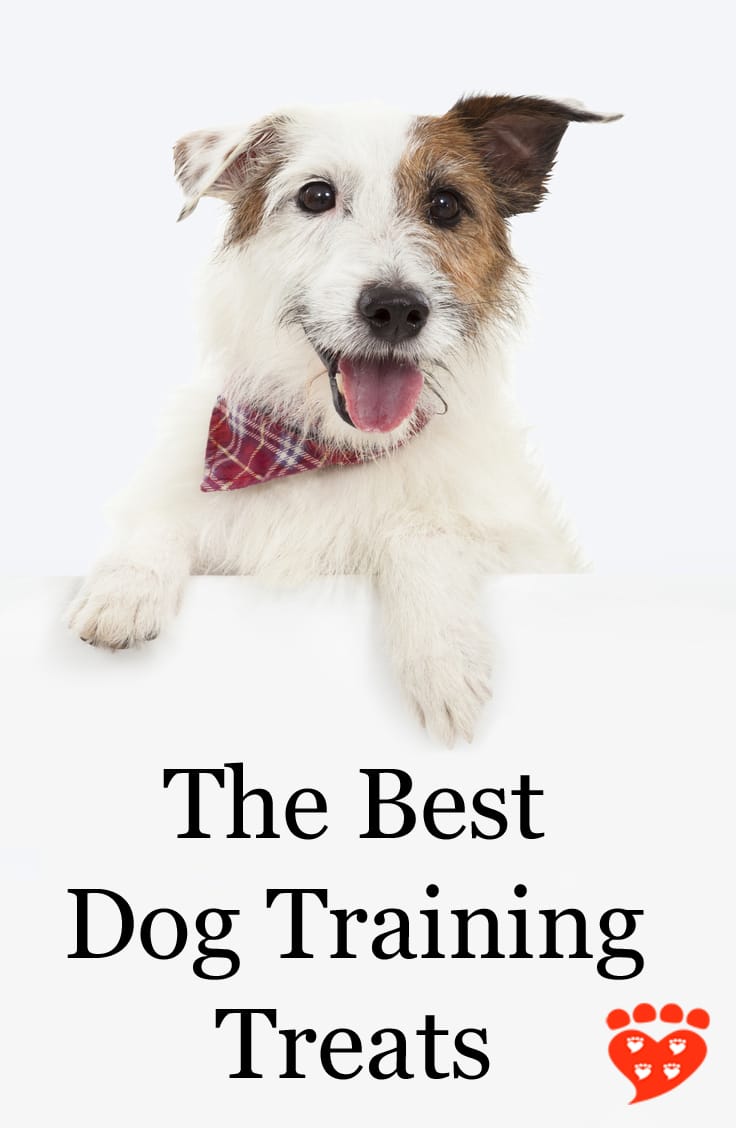
Finding the right treats can make all the difference when training your tiny canine companion. Small dogs, with their often big personalities and selective palates, require a special approach to positive reinforcement. It’s not just about finding something tasty; it’s about discovering those perfect little morsels that keep your small dog engaged, motivated, and eager to learn. This guide will dive deep into what makes a training treat effective for small breeds, helping you choose the best options to build a stronger bond and achieve training success.
Why Specialized Treats Matter for Small Dogs
Small dog breeds have unique physiological and behavioral needs that impact their response to training. Their smaller stomachs mean treats should be low in calories to avoid unwanted weight gain, and easily digestible to prevent upset. Furthermore, their smaller mouths and teeth benefit from treats that are appropriately sized and textured, making them easy to chew and swallow without being a choking hazard. The effectiveness of a treat also hinges on its palatability and aroma; a scent that drives a big dog wild might be just the thing to capture the attention of a pint-sized pup. High-value treats, reserved specifically for training sessions, create a strong association between good behavior and a delicious reward, significantly speeding up the learning process.
Key Factors in Choosing the Best Training Treats
When selecting treats for your small dog, several critical factors come into play. It’s a balancing act between nutritional value, ingredient quality, size, texture, and, of course, your dog’s individual preferences.
Size and Portion Control
This is paramount for small breeds. Treats should be tiny – think pea-sized or even smaller. This allows for frequent rewarding without overfeeding. Many commercially available treats come in larger sizes, so you’ll often need to break them into smaller pieces. Look for treats specifically marketed as “mini” or “small breed.” This not only ensures the right size but often reflects a lower calorie count per treat.
Calorie Content
Small dogs have lower daily caloric needs. A treat that’s too high in calories can quickly lead to obesity, a common health issue in small breeds, contributing to joint problems, heart disease, and diabetes. Aim for treats with 1-3 calories each. Always factor training treats into your dog’s total daily food intake to maintain a healthy weight.
Ingredient Quality
Just like with their regular food, the ingredients in training treats are important. Opt for treats with whole, recognizable ingredients like real meat (chicken, beef, lamb), fruits, and vegetables. Avoid treats with artificial colors, flavors, preservatives, excessive fillers like corn or soy, and those high in sugar or salt. These can not only be unhealthy but may also trigger allergies or sensitivities in some dogs.
Texture and Digestibility
The texture of the treat can influence how quickly your dog consumes it and how well they digest it. Soft, chewy treats are often preferred by small dogs and puppies because they are easy to eat. However, some dogs might prefer a crunchy texture for a satisfying snap. Ensure the treats are highly digestible, especially for puppies or older dogs with sensitive stomachs.
Palatability and Aroma
A treat needs to be enticing enough to hold your dog’s attention. For small dogs, this often means a strong, appealing smell and a delicious taste. Experiment with different flavors to see what your dog loves most. Sometimes, a simple, high-quality ingredient like freeze-dried liver or chicken can be more motivating than a complex biscuit.
Top Picks: Best Training Treats for Small Dogs
Based on the criteria above, here are some types of treats and specific examples that generally work well for small dog training:
1. Mini Soft & Chewy Training Treats
These are often formulated with small breeds in mind, featuring small sizes, lower calories, and appealing textures.
- Wellness Soft Puppy Bites or Wellness Crunchy Dog Treats (broken into small pieces): Made with wholesome ingredients, these come in various flavors and are generally well-tolerated.
- Zuke’s Mini Naturals or Zuke’s Puppy Naturals: These are specifically designed as training treats – small, soft, and made with natural ingredients. They come in various flavors like chicken, peanut butter, and duck.
- Blue Buffalo Blue Bits Training Treats: Small, soft, and made with real meat as the first ingredient, these are a popular choice.
2. Single-Ingredient Freeze-Dried Treats
Freeze-drying preserves the nutrients and flavor of the original ingredient, making these treats highly palatable and digestible. They are also incredibly easy to break into tiny pieces.
- PureBites Freeze-Dried Dog Treats: Available in various proteins like chicken, beef liver, and salmon. They contain only one ingredient, making them excellent for dogs with sensitivities.
- Stewart Freeze-Dried Dog Treats: Similar to PureBites, these offer single-ingredient options that dogs typically go wild for.
3. High-Value Homemade Treats
Making your own treats gives you complete control over ingredients, size, and calorie content. This is an excellent option for dogs with allergies or very picky eaters.
- Simple Peanut Butter & Oat Biscuits: Mix oat flour, a little peanut butter (xylitol-free!), and water to form a dough. Roll thin, cut into tiny shapes, and bake until crisp.
- Chicken or Liver Bits: Bake small pieces of cooked chicken or liver until slightly dried out.
Pro-Tip: For challenging training sessions or particularly difficult behaviors, consider using “high-value” treats. These are the extra-special, extra-tasty rewards that your dog doesn’t get every day, such as small pieces of cooked chicken, cheese, or commercially made liver treats. The best training treats for small dogs are often those that are a step above their everyday kibble.
How to Use Treats Effectively in Training
The treat itself is only one part of the equation. How you use them in training is just as crucial for success.
Timing is Everything
Deliver the treat immediately after your dog performs the desired behavior. This precise timing helps your dog understand exactly what they are being rewarded for. If you wait too long, they might associate the reward with a different action they performed in the interim.
Keep it Positive and Varied
Use treats as a reward for desired behaviors, not as a bribe to make them do something they resist. Mix up the types of treats you use to keep your dog engaged and prevent them from getting bored. If you’re working on a particularly challenging task, like training dog to come, you might need to use higher-value treats than you would for a simple sit command.
Transitioning Away from Treats
As your dog becomes more proficient with a command, begin to phase out treats gradually. Start by rewarding every other correct response, then every third, and so on. Replace treats with praise, petting, or a favorite toy. This prevents your dog from becoming reliant solely on treats for every command and helps solidify their understanding. However, always keep some high-value treats on hand for especially tough training scenarios or to reinforce a newly learned or slightly rusty cue.
Consider Treat Puzzles and Feeders
For mental stimulation and to slow down fast eaters, incorporate treats into puzzle toys. These toys dispense treats as your dog manipulates them, providing a fun challenge and a rewarding experience. This can be particularly beneficial for intelligent small breeds who may get bored easily.
Common Pitfalls to Avoid
Even with the best intentions, trainers can fall into common traps when using treats for small dogs.
- Overfeeding: As mentioned, small dogs are prone to weight gain. Be mindful of the total calorie intake from treats.
- Using Treats for All Rewards: Don’t rely solely on food. Verbal praise, petting, and play are also powerful motivators and help build a well-rounded relationship.
- Inconsistent Timing: Missing the window for reward can confuse your dog about what behavior earned the treat.
- Using Low-Quality Treats: Fillers and artificial ingredients can cause digestive upset and offer little nutritional value.
- Not Considering Allergies/Sensitivities: Always introduce new treats gradually and watch for any adverse reactions.
Conclusion: Rewarding Your Small Dog’s Success
Choosing the right training treats for your small dog is a crucial step in their education and in strengthening your bond. By focusing on size, calorie count, ingredient quality, and palatability, you can find treats that not only motivate your dog but also contribute to their overall health. Remember that consistency, positive reinforcement, and understanding your dog’s individual needs are key to successful training. With the right treats and a patient approach, you and your small canine companion can achieve great things together. Happy training!
