
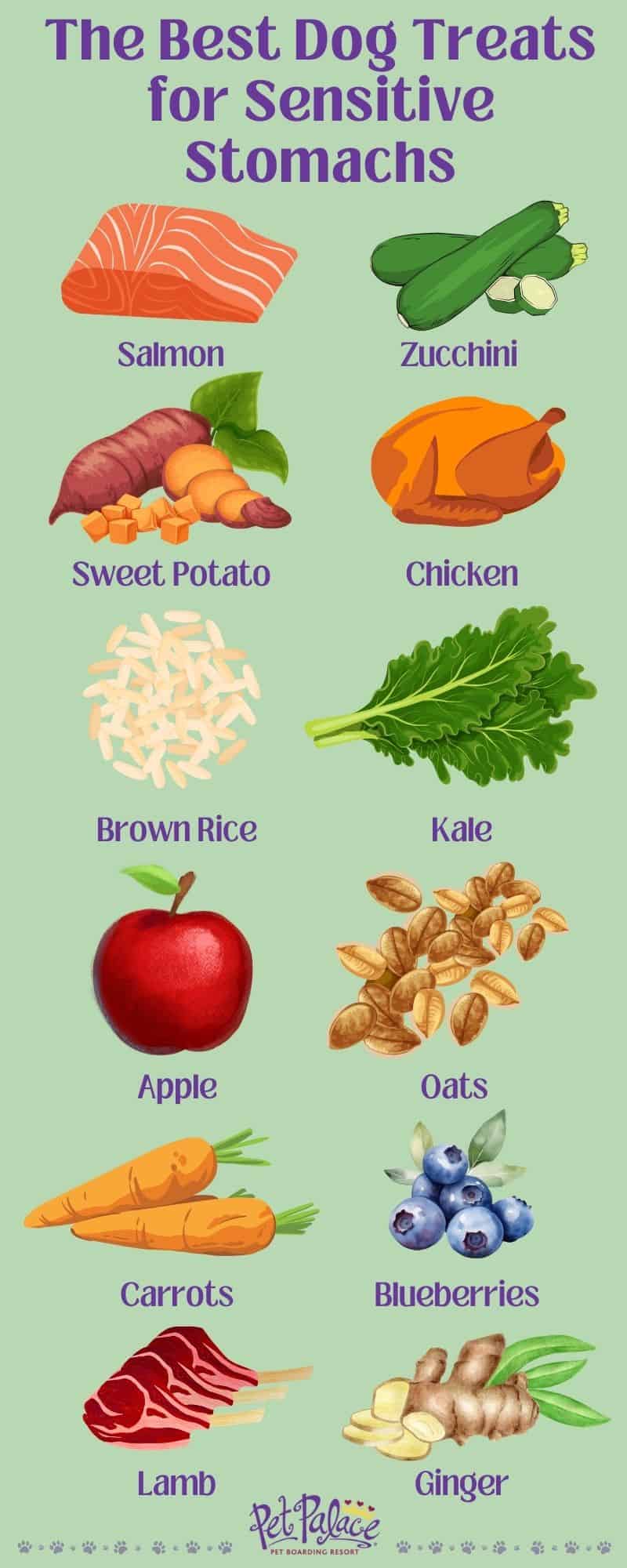
As devoted dog parents, we all want to reward our furry companions during training sessions. However, for dogs with sensitive stomachs, choosing the right treats can be a challenge. Digestive issues can lead to discomfort, and frequent stomach upset can derail even the most consistent training efforts. Fortunately, there are numerous delicious and easily digestible options available that cater specifically to pups with delicate digestive systems. This guide will help you navigate the world of dog training treats for sensitive stomachs, ensuring your training journey is both successful and comfortable for your beloved canine.
Understanding Sensitive Stomachs in Dogs
Before diving into treat options, it’s helpful to understand what constitutes a “sensitive stomach” in dogs. This can manifest in various ways, including:
- Vomiting: Frequent or occasional vomiting after eating.
- Diarrhea: Loose stools, sometimes accompanied by urgency or accidents.
- Gas and Bloating: Excessive flatulence or a distended abdomen.
- Lethargy: A lack of energy or general uninterest.
- Loss of Appetite: Reluctance to eat or a decreased food intake.
These symptoms can be triggered by various factors, such as food allergies or intolerances, sudden diet changes, stress, or underlying gastrointestinal conditions. If your dog frequently experiences these issues, consulting with your veterinarian is crucial to rule out any serious medical conditions and get personalized dietary recommendations. They can help identify specific ingredients that might be causing problems and suggest the best course of action for your dog’s well-being.
Key Ingredients to Look For in Sensitive Stomach Treats
When selecting good dog training treats for a dog with a sensitive stomach, prioritizing digestible and novel ingredients is key. Look for treats that:
- Feature Limited, High-Quality Ingredients: Fewer ingredients mean a lower chance of encountering an allergen or irritant.
- Contain Novel Proteins: Proteins your dog hasn’t been exposed to before, such as duck, venison, lamb, or fish, are often well-tolerated. Avoid common allergens like chicken or beef if your dog has shown sensitivities to them.
- Include Easily Digestible Carbohydrates: Ingredients like sweet potato, pumpkin, or rice are generally gentler on the stomach than corn or wheat.
- Are Grain-Free (if necessary): While not all dogs with sensitive stomachs need grain-free, some are sensitive to grains like wheat, corn, or soy.
- Avoid Artificial Additives: Preservatives, artificial colors, and flavors can often be problematic for sensitive systems.
Conversely, try to avoid treats with:
- Fillers (like excessive corn, wheat, or soy)
- Artificial colors, flavors, or preservatives
- High levels of fat, which can be difficult to digest
Top Picks: The Best Dog Training Treats for Sensitive Stomachs
Navigating the myriad of options can be overwhelming. Here are some of the best training treats for dogs with sensitive stomachs, focusing on quality and digestibility:
1. Single-Ingredient Dehydrated or Freeze-Dried Treats
- Why they’re great: These treats, often made from just one type of protein (like salmon, duck, or beef liver), are incredibly simple and digestible. The freeze-drying or dehydrating process preserves nutrients without the need for artificial additives. They are an excellent option for elimination diets or when you suspect a specific protein is an issue.
- Considerations: They can sometimes be a bit crumbly, but this makes them easy to break into smaller training-sized pieces.
2. Limited Ingredient Soft-Bake Treats
- Why they’re great: Brands specializing in limited-ingredient diets often produce soft-baked treats that are formulated with sensitive dogs in mind. These typically use novel proteins and easily digestible carbohydrates. Their softer texture makes them highly palatable and easy for dogs to chew and digest.
- Look for: Brands that clearly list their protein sources and avoid common fillers. Examples include treats featuring lamb and pumpkin, or salmon and sweet potato.
3. Hypoallergenic Training Bites
- Why they’re great: Some companies create specific lines of “hypoallergenic” training bites. These are often free from common allergens and may incorporate prebiotics or probiotics to support gut health. They are specifically designed to minimize the risk of adverse reactions.
- Key features: Often feature hydrolyzed proteins (broken down into smaller, less allergenic pieces) or novel proteins.
4. Grain-Free Options with Digestive Support
- Why they’re great: For dogs sensitive to grains, grain-free dog training treats are essential. Many of these also incorporate ingredients like pumpkin or probiotics, which are known to aid digestion and promote a healthy gut microbiome.
- Examples: Treats made with sweet potato, peas, and a digestible protein source are often well-received.
Tips for Introducing New Treats
Even with the best training treats for dogs with sensitive stomachs, it’s crucial to introduce them gradually.
- Start Small: Begin by giving your dog just one small treat to see how they react.
- Monitor Closely: Watch for any signs of digestive upset (vomiting, diarrhea, gas) in the 24-48 hours following introduction.
- Introduce One at a Time: If you’re trying multiple new treats, introduce them days apart to isolate any potential culprits.
- Consult Your Vet: Always discuss any significant dietary changes or new treats with your veterinarian, especially if your dog has a history of severe digestive issues. They might recommend specific training treats for dog based on your dog’s individual needs.
Beyond Treats: Holistic Approach to Digestive Health
While finding the right training treats for dogs with sensitive stomachs is important, it’s also part of a larger picture of digestive health.
- High-Quality Diet: Ensure your dog’s main food is also easily digestible and free from common irritants. Discuss prescription diets with your vet if necessary.
- Probiotics and Prebiotics: Consider adding a probiotic or prebiotic supplement to your dog’s diet (with vet approval) to support a healthy gut flora.
- Feeding Routine: Maintain a consistent feeding schedule and avoid sudden changes in diet.
- Stress Management: Stress can impact a dog’s digestive system. Ensure a calm and stable environment.
- Portion Control: Overfeeding can lead to digestive upset, regardless of the food quality.
Conclusion: Happy Tummies, Happy Training
Finding the best training treats for sensitive stomachs might require a little patience and trial-and-error, but the effort is well worth it. By understanding your dog’s specific needs, choosing ingredients wisely, and observing their reactions, you can find delicious rewards that support their training goals without compromising their digestive comfort. Remember, a happy tummy leads to a happier dog, making your training sessions more enjoyable and effective for both of you.
