
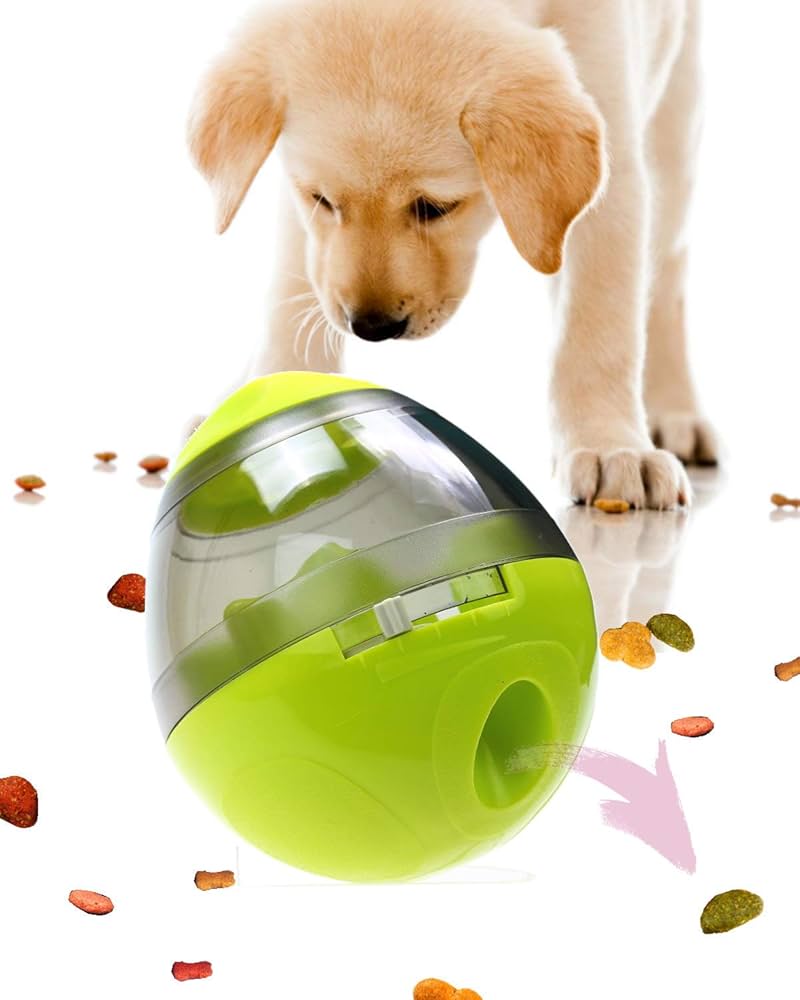
Teaching your canine companion new tricks or reinforcing good behavior can be one of the most rewarding aspects of dog ownership. But let’s be honest, sometimes training sessions can feel a bit like a broken record, especially when you’re trying to keep your dog engaged and motivated. This is where the humble yet mighty Dog Training Treat Dispenser steps in, transforming your training routine from a chore into an engaging, interactive game. More than just a way to dole out rewards, these cleverly designed tools can be pivotal in accelerating your dog’s learning curve and strengthening your bond.
The Magic Behind the Treat Dispenser: More Than Just Snacks
At its core, a dog training treat dispenser is a device designed to reward your dog intermittently during training. However, its impact goes far beyond simply providing a tasty morsel. These dispensers leverage a dog’s natural instincts and their intrinsic motivation to work for a reward. When a dog successfully performs a desired action – like sitting, staying, or fetching – a treat is dispensed. This immediate positive reinforcement is crucial for effective learning, helping your dog associate the behavior with a positive outcome.
The intermittent nature of rewards from a dispenser can also be a powerful motivator. Unlike consistently receiving treats from your hand, a dispenser introduces an element of surprise and anticipation, keeping your dog more focused and eager to participate. This element of play and surprise can significantly boost a dog’s engagement and enthusiasm for training, making them more receptive to learning.
Beyond Basic Rewards: Enhancing Cognitive Skills
Many advanced treat dispensers are not just about dispensing treats; they are designed to challenge your dog mentally. These interactive toys often require problem-solving skills, such as figuring out how to manipulate the toy to release a treat. This not only keeps your dog occupied and prevents boredom but also actively engages their cognitive abilities.
Think of it as a puzzle for your pup. By solving these puzzles, dogs develop better problem-solving skills, improve their focus, and build confidence. This mental stimulation is just as important for a dog’s overall well-being as physical exercise. A mentally stimulated dog is less likely to develop behavioral issues stemming from boredom or frustration.
Types of Dog Training Treat Dispensers: Finding the Perfect Fit
The world of dog training treat dispensers is as diverse as the breeds themselves. From simple balls to complex electronic devices, there’s a dispenser out there for every training need and every dog’s personality. Understanding the different types can help you choose the one that best suits your training goals and your dog’s preferences.
Puzzle Toys: The Brain Builders
These are perhaps the most common type of interactive treat dispensers. They come in various shapes and sizes, often requiring your dog to nudge, roll, shake, or slide parts of the toy to get the treats to fall out.
- Balls and Spheres: These are classic choices, often requiring your dog to roll them around to release treats. They’re great for encouraging physical activity alongside mental engagement.
- Discs and Hoops: Some toys are designed as flat discs or interlocking pieces that your dog needs to manipulate in a specific way to access the hidden treats.
- Snuffle Mats: While not a dispenser in the traditional sense, snuffle mats allow you to hide treats among fabric strips, encouraging your dog to use their nose and problem-solving skills to find their reward. This taps into their natural foraging instincts.
Electronic Treat Dispensers: Tech-Savvy Training
For the more technologically inclined owner, electronic treat dispensers offer a higher level of engagement and control. These can range from simple remote-controlled devices to sophisticated automated feeders.
- Remote-Controlled Dispensers: These allow you to dispense a treat from a distance, perfect for training commands like “stay” or for rewarding your dog when you’re not in the immediate vicinity.
- Smart Toys: Some advanced toys can be programmed with training routines or controlled via smartphone apps, offering a truly modern approach to treat-based training.
Chew Toys with Treat Compartments: Dual-Purpose Fun
Certain durable chew toys come with hollow compartments where you can stuff treats or peanut butter. While your dog chews, treats will gradually be released, keeping them engaged for longer periods. These are excellent for teething puppies or dogs who love to chew.
“Interactive treat dispensing toys are fantastic for providing mental stimulation, which is often just as crucial as physical exercise for a dog’s overall happiness and well-being. They tap into a dog’s natural problem-solving abilities and keep their minds sharp.” – Dr. Emily Carter, Veterinary Behaviorist
How to Choose the Right Dog Training Treat Dispenser
Selecting the perfect dog training treat dispenser involves considering several factors to ensure it’s safe, effective, and enjoyable for your dog.
- Your Dog’s Size and Breed: A large, powerful dog will need a more robust and durable dispenser than a small, toy breed. Consider the size of the treats you plan to use; they should fit comfortably within the dispenser.
- Your Dog’s Temperament and Intelligence: Is your dog easily frustrated, or do they love a good challenge? For dogs who get discouraged quickly, start with simpler puzzle toys. For more persistent pups, you can gradually introduce more complex dispensers. If your dog is a powerful chewer, opt for extremely durable materials.
- Training Goals: Are you looking to reinforce basic obedience, improve focus, or provide mental stimulation during alone time? Different dispensers excel at different tasks. For instance, remote-controlled ones are great for obedience, while more complex puzzles are ideal for solo play.
- Durability and Safety: Always choose dispensers made from non-toxic, durable materials. Ensure there are no small parts that could be chewed off and swallowed. Check for any potential hazards specific to your dog’s chewing habits. If you’re looking into more advanced training, consider resources like high desert dog training for professional guidance.
- Ease of Cleaning: Treats can get messy. Opt for dispensers that are easy to disassemble and clean to maintain hygiene.
Integrating Treat Dispensers into Your Training Routine
A dog training treat dispenser is a tool, and like any tool, its effectiveness depends on how you use it. Here’s how to integrate them seamlessly into your training regimen.
For Basic Obedience Training
Instead of always reaching into your pocket for treats, use a treat dispenser for reinforcement. For example, when teaching “sit,” you can manually dispense a treat after they successfully sit. As they get better, you can start using a remote-controlled dispenser to reward them from a short distance, reinforcing the “stay” command. This helps your dog learn to respond even when you’re not directly in front of them.
For Mental Stimulation and Solo Play
Fill a puzzle toy with a portion of your dog’s daily kibble or small, healthy treats. This is perfect for:
- Alone Time: Leave a puzzle toy with your dog when you need to leave them for short periods. It provides a healthy outlet for their energy and keeps their mind occupied, reducing separation anxiety.
- Enrichment: Even when you are home, incorporating treat dispensers into playtime can make it more engaging. It turns a simple game of fetch into a rewarding puzzle.
- Mealtime: For fast eaters, using a slow-feeder treat dispenser can slow down their consumption, aid digestion, and provide mental engagement during meals. This can be a lifesaver for dogs prone to bloat. For more on managing a dog’s diet, exploring resources on best dog potty training can indirectly shed light on digestive health.
For Advanced Training and Problem Solving
More complex treat dispensers can be used to teach sequential tasks or problem-solving. You might hide a dispenser that requires multiple steps to open, teaching your dog to work through a series of actions to get their reward. This is where understanding your dog’s specific needs becomes critical, and exploring options like hunting dog training equipment might provide ideas for advanced engagement tools.
“We started using a treat ball for Max when he was a puppy. At first, he just nudged it randomly. Now, he’s figured out he needs to roll it a certain way to get the best treats out. It’s amazing to watch his little brain work!” – Jessica, dog owner
Frequently Asked Questions About Dog Training Treat Dispensers
Q1: How often should I use a dog training treat dispenser?
A1: It depends on the type of dispenser and your training goals. For basic obedience, use it as a reward mechanism. For mental stimulation, it can be used daily for a portion of their meal or as a rewarding activity. Always ensure treats are part of a balanced diet.
Q2: What kind of treats should I use in a dispenser?
A2: Small, firm, low-calorie treats are ideal. You can also use a portion of your dog’s regular kibble. Avoid soft, sticky treats that can clog the dispenser or become unhygienic.
Q3: Can treat dispensers help with boredom or destructive behavior?
A3: Yes, absolutely! A mentally challenging treat dispenser can redirect a dog’s energy and focus away from destructive behaviors, especially when they are left alone or are under-stimulated.
Q4: Are treat dispensers suitable for all dog breeds?
A4: Yes, with the right choice of dispenser. Ensure the size, durability, and complexity are appropriate for your dog’s breed, size, and temperament. For instance, some breeds might benefit more from specialized gear, possibly found when looking into best dog training in miami.
Q5: How do I clean a treat dispenser?
A5: Most treat dispensers can be washed with warm, soapy water. Check the manufacturer’s instructions, as some may be dishwasher-safe. Regular cleaning is essential to prevent bacterial growth.
The Enduring Bond: Training with Joy
Incorporating a dog training treat dispenser into your routine is more than just a training hack; it’s a way to deepen the connection with your dog. It transforms learning into a fun, engaging experience that both of you can enjoy. By providing mental stimulation and positive reinforcement, these tools help foster a well-behaved, happy, and confident canine companion. So, next time you’re looking to elevate your training sessions, consider the power of a good treat dispenser – it might just be the missing piece in your dog’s success story.
