
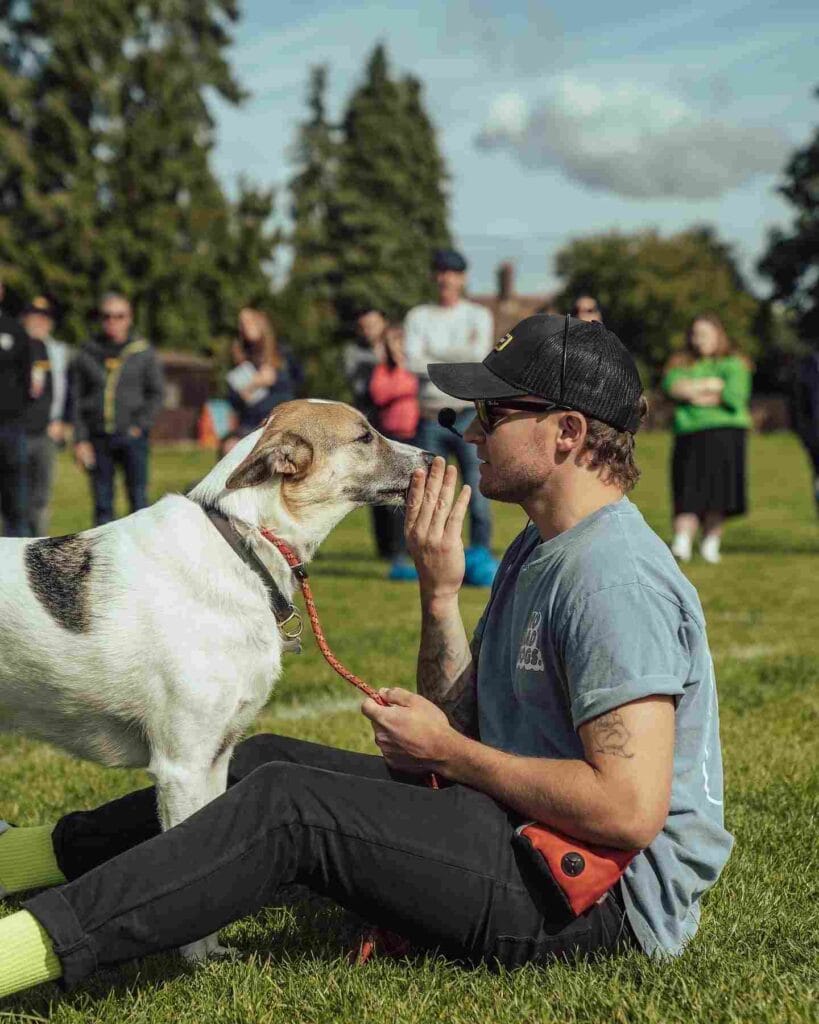
Training your dog to come when called, often referred to as recall, is arguably the most crucial command you can teach. It’s not just about a cute party trick; it’s a vital safety measure that can prevent dangerous situations and ensure your canine companion stays by your side. Mastering this command builds a stronger bond between you and your dog, fostering trust and clear communication. This guide will delve into the intricacies of teaching your dog to come, covering everything from foundational steps to advanced techniques, all while keeping your dog’s well-being and your relationship at the forefront.
The Foundation: Building a Reliable Recall
Before diving into complex training, it’s essential to establish a solid foundation. This involves making yourself the most exciting and rewarding thing in your dog’s world.
Choosing the Right Word and Tone
Consistency is key. Select a specific word, like “come” or “here,” and stick to it. Avoid using this word for anything negative, such as scolding your dog. Your tone should always be cheerful and encouraging when calling your dog. A happy, inviting voice will make your dog more inclined to approach you.
Positive Reinforcement: The Magic Ingredient
Positive reinforcement is the cornerstone of effective dog training. When your dog responds to your recall command, reward them enthusiastically. This could be with high-value treats (small pieces of chicken, cheese, or special dog treats), praise, or a favorite toy. The reward should be immediate and commensurate with the effort. For a quick, eager recall, a jackpot of multiple treats and vigorous praise is appropriate.
Starting Simple: Controlled Environments
Begin training in a quiet, enclosed area with minimal distractions, such as your living room or a fenced backyard. With your dog on a long leash, say their name followed by the recall command (“Fido, come!”). As they turn towards you, encourage them with a happy tone and perhaps by backing away slightly, making yourself a more enticing target.
Advanced Training Techniques for a Stronger Recall
Once your dog reliably responds in quiet environments, it’s time to gradually introduce distractions and more challenging scenarios.
Introducing Distractions Gradually
The real test of recall comes when there are more exciting things vying for your dog’s attention. Start by adding mild distractions, like another person in the room or a favorite toy placed a short distance away. Gradually increase the level of distraction as your dog’s reliability improves. This might include training in a park during a quiet time or with another calm dog present.
The “Two-Second Rule” and Cue Discrimination
A crucial aspect of recall is teaching your dog to disengage from distractions. If your dog is engrossed in sniffing or playing, resist the urge to call them immediately. Wait for a brief pause, or a moment when they naturally look away from the distraction. Then, give your recall cue. This teaches them to break away from engaging stimuli to come to you. This is often referred to as the “two-second rule” – waiting for a brief moment of disengagement before calling.
Generalizing the Command
Dogs don’t automatically generalize commands across different environments. What works in your living room might not work in a busy park. You need to practice recall in various locations with increasing levels of distraction. Always set your dog up for success by starting easier in new environments and gradually increasing the difficulty.
Addressing Common Recall Problems
Even with the best intentions, some common issues can arise during recall training. Understanding these problems and their solutions is vital.
The “Selective Hearing” Dog
If your dog seems to ignore your recall command, it’s often not defiance but a lack of understanding or insufficient motivation.
- Increase Reward Value: Are you using treats that are exciting enough? For challenging situations, a piece of cooked chicken or a small piece of cheese might be more effective than standard kibble.
- Check Your Cues: Are you accidentally diluting the command by using it too often or in negative contexts? Ensure your recall word is only used for calling your dog to you in a positive way.
- Reduce Distractions: You might be asking too much too soon. Go back to a less distracting environment and rebuild reliability.
The “Chase Me” Dog
Some dogs find being chased exhilarating. If you find yourself having to chase your dog to get them to come, you’re inadvertently reinforcing the game.
- Run Away: Instead of chasing your dog, turn and run away from them, making yourself the exciting target. Most dogs’ prey drive will kick in, and they’ll chase you.
- Reward Engagement: When they do come, even if they were initially running away, reward them generously for finally engaging with you.
Recalls on Leash vs. Off Leash
Training recall on a long line is crucial. It allows you to physically guide your dog towards you and prevent them from practicing running away if they ignore the cue. Gradually phase out the long line as your dog’s reliability increases in different environments. Teach your dog to come when called in controlled settings first before moving to off-leash scenarios.
Beyond the Basics: Keeping Recall Sharp
Recall training isn’t a one-time event; it requires ongoing practice to maintain its effectiveness.
Practice, Practice, Practice
Regular, short training sessions are more effective than infrequent, long ones. Incorporate recall practice into your daily routine. Call your dog to you before meals, before going outside, or during walks.
The “Game” of Recall
Make coming to you a fun game. You can play hide-and-seek in the house or yard, always calling your dog to find you. This reinforces the idea that you are a source of fun and positive interaction. Similarly, you can practice how to teach my dog to come here by scattering treats and calling them to find each one.
Proofing for Real-World Scenarios
Consider real-world situations where a reliable recall is essential. This includes busy parks, areas with wildlife, or when encountering other dogs. If you struggle with specific distractions, like your dog being anxious when left alone, you might need to address those underlying issues, perhaps by looking into how to train a dog with separation anxiety. For those on a budget, resources like dog training for low income can provide accessible solutions.
The Ultimate Goal: A Bond Built on Trust
Teaching your dog to come when called is more than just obedience; it’s about building a relationship founded on trust, clear communication, and mutual respect. By using positive reinforcement, consistent practice, and a deep understanding of your dog’s needs, you can achieve a recall that is not only reliable but also strengthens the incredible bond you share. Remember, every successful recall is a testament to the hard work and love you’ve invested in your canine companion. Continue to make training fun, rewarding, and a daily part of your life together.
