
Potty training a dog can feel like a monumental task, but with the right approach, patience, and consistency, you can achieve success. It’s a journey that builds trust and communication between you and your canine companion, laying the foundation for a well-behaved dog and a harmonious home. This guide will walk you through the essential Dog Training Tips For Potty Training, ensuring a smoother and more effective process.
Understanding Your Puppy’s Needs: The Foundation of Potty Training
Before diving into the training techniques, it’s crucial to understand your puppy’s biological and developmental needs. Puppies, much like human babies, have little control over their bladder and bowel movements initially. Their bladders are small, and they need frequent opportunities to relieve themselves. Understanding this basic principle is key to avoiding frustration and setting realistic expectations.
Frequent Potty Breaks: Young puppies need to go outside very frequently. A general rule of thumb is to take them out:
- First thing in the morning.
- After waking up from naps.
- After playing.
- After eating or drinking.
- Right before bedtime.
- Every 1-2 hours in between these times.
Recognizing the Signs: Your puppy will often give subtle cues when they need to go. Learning to recognize these signs is vital. Look for:
- Sniffing the ground intently.
- Circling.
- Whining or barking at the door.
- Squatting or lifting their leg.
- Sudden stops in play.
Choosing the Right Spot: Designate a specific potty spot in your yard. This helps your dog associate that area with elimination. Take them to the same spot every time.
Crate Training: A Powerful Potty Training Ally
Crate training is an invaluable tool in potty training, leveraging a dog’s natural instinct not to soil their den. A crate should be a safe and comfortable space for your dog, not a punishment.
How Crate Training Helps:
- Den Instinct: Dogs are naturally reluctant to eliminate in the area where they sleep and eat. A properly sized crate encourages them to hold it.
- Preventing Accidents: When you can’t supervise your puppy directly, confining them to a crate prevents them from having accidents unsupervised around the house.
- Establishing Routine: Crate training aids in establishing a predictable schedule for potty breaks, which is essential for successful training.
Setting Up the Crate:
- Size Matters: The crate should be large enough for your dog to stand up, turn around, and lie down comfortably, but not so large that they can use one end as a bathroom and sleep in the other. If you have a larger crate for a growing puppy, use dividers to adjust the space.
- Comfort: Make the crate inviting with comfortable bedding, but remove anything that could be destroyed or ingested.
- Introduction: Introduce the crate gradually and positively. Feed meals inside, toss treats in, and leave the door open initially. Never force your dog into the crate.
The Positive Reinforcement Approach
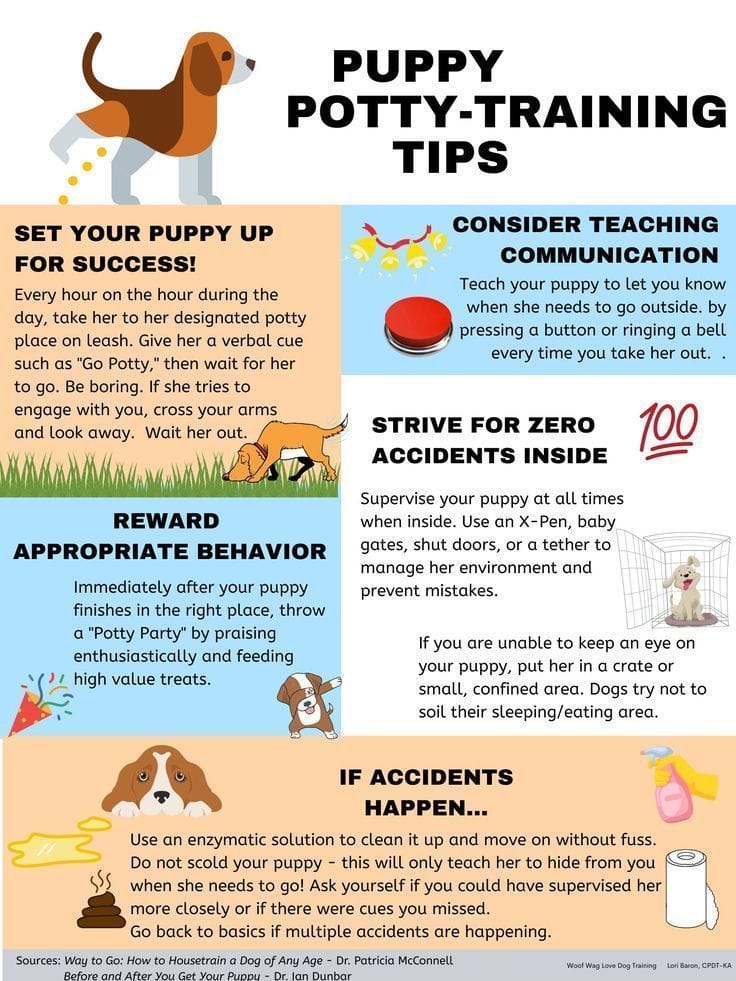
Positive reinforcement is the most effective and humane method for potty training. This involves rewarding your dog for desired behaviors, making them more likely to repeat them.
Rewarding Success:
- Immediate Praise: The moment your dog finishes eliminating outside, offer enthusiastic praise and a high-value treat. The reward must be immediate to ensure they associate it with the correct action.
- Consistency is Key: Everyone in the household needs to be on the same page. Use the same commands and reward system consistently.
What About Accidents?
Accidents are inevitable, especially in the early stages. The key is how you handle them.
- Never Punish: Punishing your dog after an accident is counterproductive. If you find them in the act, calmly interrupt them with a clap or a gentle noise, then immediately take them outside to their designated spot. If you discover an accident after it’s happened, simply clean it up without fuss. Your dog won’t connect the punishment to an action that occurred minutes or hours ago, leading only to fear and confusion.
- Thorough Cleaning: Clean up accidents thoroughly with an enzymatic cleaner. Regular household cleaners may mask the odor for humans, but dogs can still smell it, making them more likely to return to the same spot.
Establishing a Potty Training Schedule
A consistent schedule is the backbone of successful potty training. This predictability helps your dog learn when and where they are expected to eliminate.
Sample Schedule for Puppies:
- Morning: Wake up and immediately take your puppy outside.
- After Meals: Take your puppy out 10-20 minutes after each meal.
- After Naps & Play: Potty breaks are essential after waking up from naps and after any vigorous play session.
- Throughout the Day: Aim for breaks every 1-2 hours for young puppies. As they mature, you can gradually increase the intervals.
- Evening: Take your puppy out before bedtime. Consider a final potty break just before you go to sleep.
- Nighttime: Very young puppies may need a middle-of-the-night potty break. Set an alarm and take them out to their spot, keeping the interaction brief and quiet to avoid encouraging nighttime activity.
Advanced Potty Training Techniques and Troubleshooting
As your dog progresses, you might encounter specific challenges. Here are some advanced tips and troubleshooting strategies.
Addressing Specific Issues:
Submissive Urination: Some dogs urinate a little when they are excited or feel intimidated. This is often a fear-based response. Avoid direct eye contact, looming over them, or overly boisterous greetings. Instead, approach them from the side and let them initiate contact. If this is a persistent issue, consult a professional trainer or behaviorist.
Excitement Urination: Similar to submissive urination, some dogs pee when overly excited. Manage their excitement levels and ensure they have a calm potty routine before engaging in stimulating activities.
Marking: While more common in intact males, neutered dogs and females can also mark territory with urine. Ensure your dog isn’t anxious or stressed, and clean any marked areas thoroughly. For persistent marking, consider professional advice.
Refusing to Potty Outside: If your dog consistently refuses to go outside, consider:
- Weather: Is the weather unpleasant (too hot, cold, rainy)? Offer shelter or a different potty surface.
- Distractions: Is the potty area too stimulating? Try a quieter location temporarily.
- Health Issues: Rule out any underlying medical conditions that might be causing discomfort during elimination.
- Fear: Is there something in the potty area that scares your dog?
How to get your dog to pee in the garden: Sometimes dogs are reluctant to go in a specific area. Try using a verbal cue like “Go potty!” consistently. If you’re struggling with a specific area, consider temporarily using a leash to guide them to the desired spot, offering praise and treats for success.
When to Seek Professional Help
While most dogs can be successfully potty trained with consistent effort, there are times when professional guidance is beneficial.
- Persistent Accidents: If accidents continue despite consistent training efforts.
- Sudden Changes in Habits: If a previously house-trained dog suddenly starts having accidents, it could indicate a medical issue (like a urinary tract infection) or a behavioral problem.
- Aggression or Fear-Based Behaviors: If potty training is accompanied by aggression, extreme fear, or anxiety.
A professional dog trainer or a veterinary behaviorist can provide tailored advice, identify underlying issues, and offer specialized strategies. For those seeking local expertise, searching for a “dog training facility near me” or “in-home dog training near me” can connect you with qualified professionals. Remember, even specific regional needs, like “dog training wichita falls“, can be addressed by local experts.
Conclusion: The Rewarding Journey of Potty Training
Potty training is a fundamental aspect of raising a well-adjusted dog. It requires patience, consistency, and a deep understanding of your dog’s needs. By implementing positive reinforcement, establishing a routine, and utilizing tools like crate training, you can navigate this process successfully. Every successful trip outside is a step towards a cleaner home and a stronger bond with your furry friend. Embrace the journey, celebrate the small victories, and remember that with dedication, your dog will master this essential life skill. Happy training!
