
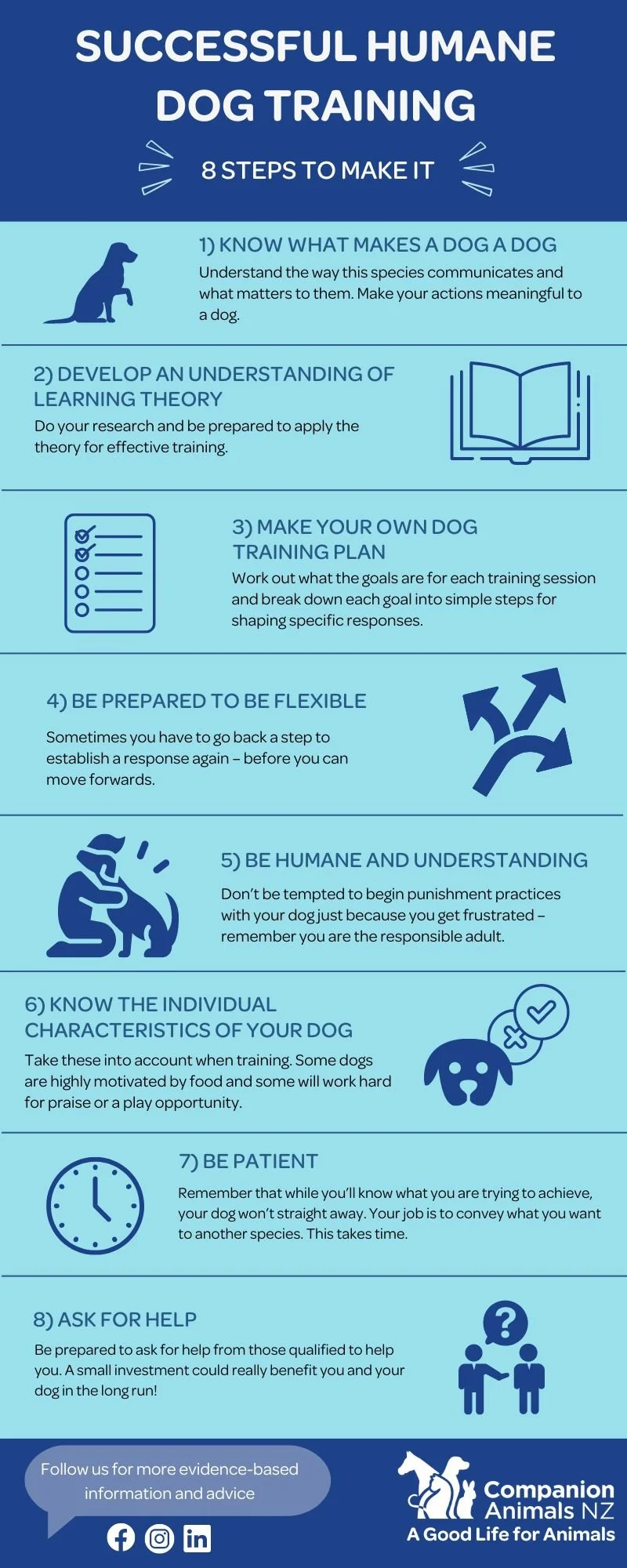
Embarking on the journey of dog training is one of the most rewarding experiences a dog owner can have. It’s not just about teaching commands; it’s about fostering a deep understanding and unbreakable bond between you and your canine friend. This comprehensive guide will walk you through essential Dog Training Step By Step, ensuring you have the knowledge and confidence to raise a well-behaved, happy, and confident dog. Whether you’re a first-time owner or looking to refine your skills, these principles will lay a solid foundation for a lifetime of companionship.
The Foundation: Understanding Your Dog and Positive Reinforcement
Before diving into specific commands, it’s crucial to understand the core principles of effective dog training. The most widely accepted and humane approach is positive reinforcement. This method focuses on rewarding desired behaviors, making them more likely to occur again. Conversely, unwanted behaviors are often ignored or redirected rather than punished. Punishment can lead to fear, anxiety, and aggression, undermining the trust and bond you’re trying to build.
Why Positive Reinforcement Works
Dogs are eager to please their owners, and when they receive a reward – be it a tasty treat, enthusiastic praise, or a favorite toy – for a desired action, they quickly associate that action with positive outcomes. This creates a learning environment that is enjoyable for both dog and owner.
- Building Trust: Positive reinforcement strengthens the bond between you and your dog, built on trust and mutual respect.
- Encouraging Learning: Dogs are more likely to engage and learn when training is a fun and rewarding experience.
- Reducing Stress: This method avoids the fear and anxiety associated with punishment-based training.
Essential Tools for Training
- High-Value Treats: Small, soft, and irresistible treats that your dog absolutely loves. Think tiny pieces of chicken, cheese, or commercial training treats.
- Leash and Collar/Harness: A comfortable and secure leash and collar or harness are essential for safety and control during training sessions.
- Clicker (Optional): A clicker can be a very effective marker tool, precisely signaling the moment your dog performs the correct behavior. The click is immediately followed by a reward.
- Patience and Consistency: These are non-negotiable. Every training session requires patience, and consistency in your commands and rewards is key to your dog’s understanding.
Getting Started: Basic Obedience Commands
Once you have your tools and mindset in place, it’s time to introduce some fundamental commands. Remember to keep training sessions short (5-10 minutes), frequent, and always end on a positive note.
1. Sit: The Gateway Command
The “sit” command is often the first one dogs learn and is a cornerstone of basic obedience.
How to Teach “Sit”:
- Get Your Dog’s Attention: Hold a treat near your dog’s nose.
- Lure the Behavior: Slowly move the treat upwards and slightly back over your dog’s head. As their nose follows the treat, their rear end should naturally lower into a sit.
- Mark and Reward: The moment their rear touches the ground, say “Yes!” or click your clicker, and immediately give them the treat and praise.
- Add the Verbal Cue: Once your dog reliably follows the lure into a sit, start saying the word “Sit” just as they begin to lower themselves.
- Fade the Lure: Gradually make the hand motion smaller, eventually phasing out the lure altogether, relying solely on the verbal cue.
2. Stay: Building Impulse Control
The “stay” command teaches your dog to remain in a specific position (like a sit or down) until released. This is crucial for safety and control.
How to Teach “Stay”:
- Start with “Sit”: Ask your dog to sit.
- Introduce the Cue: Hold your hand up in a “stop” signal (palm facing your dog) and say “Stay” in a calm, firm voice.
- Short Duration: Wait just a second or two, then return to your dog, praise them, and give a treat while they are still in the stay position.
- Gradual Increase: Slowly increase the duration you ask them to stay. If they break the stay, calmly return them to their original spot and try again with a shorter duration.
- Add Distance: Once your dog can stay for a reasonable amount of time, start taking a step back before returning and rewarding. Gradually increase the distance.
- Release Cue: Always use a release word like “Okay!” or “Free!” to signal that the stay is over. This prevents them from anticipating when to break the stay.
3. Come: The Most Important Command for Safety
The recall command, “come,” is arguably the most critical command for your dog’s safety. A reliable recall can prevent your dog from running into traffic or getting lost. This is a command that requires consistent practice and positive association.
How to Teach “Come”:
- Start in a Quiet Area: Begin in a distraction-free environment, like your home or a secure yard.
- Use an Enthusiastic Tone: Get down to your dog’s level and call their name followed by “Come!” in a happy, inviting voice.
- Reward Generously: When your dog comes to you, shower them with praise, treats, and maybe even a quick game of tug. Make coming to you the best thing ever!
- Never Punish: Never call your dog to you for something unpleasant, like a bath or nail trim, or punish them if they eventually come to you after a mistake. This will create a negative association.
- Practice with a Long Leash: As you progress, use a long leash in safe outdoor areas to practice the recall from a distance.
This foundational training is like learning the basic dog training steps. Consistent practice and positive reinforcement are the keys to success.
Advancing Your Training: Beyond the Basics
Once your dog has a solid grasp of the basic commands, you can move on to more advanced techniques and address specific behaviors.
Leash Training: A Pleasant Walk Every Time
Proper leash training ensures walks are enjoyable for both you and your dog. The goal is for your dog to walk loosely beside you, without pulling.
Tips for Leash Training:
- Reward Loose Leash: When your dog walks beside you with a loose leash, offer praise and treats.
- Stop When They Pull: If your dog pulls ahead, immediately stop walking. Only resume when the leash slackens.
- Change Direction: If they pull consistently, try changing direction. This teaches them to pay attention to you.
- Use Appropriate Gear: A front-clip harness can be very effective in reducing pulling. For more advanced training, consider stephanie’s dog training techniques.
For puppies, learning how to how to leash train a puppy video is a great starting point.
Potty Training: Patience and Consistency
Potty training requires a consistent schedule and diligent supervision.
Key Strategies for Potty Training:
- Frequent Potty Breaks: Take your puppy out first thing in the morning, after meals, after naps, and before bedtime.
- Designated Spot: Always take them to the same spot outdoors.
- Positive Reinforcement: When they eliminate outside, praise them enthusiastically and give a treat immediately.
- Supervision: Keep a close eye on your puppy indoors. If you see signs they need to go (sniffing, circling), take them out immediately.
- Clean Accidents Thoroughly: Use an enzymatic cleaner to eliminate odors that might attract them back to the same spot.
Successfully training a dog to eliminate outside is akin to mastering the skill of training dog to poop outside.
Socialization: Creating a Well-Adjusted Dog
Socialization is the process of exposing your puppy to various sights, sounds, people, and other animals in a positive and controlled manner. This critical period (typically between 3 and 16 weeks) helps prevent fear and aggression later in life.
How to Socialize:
- Introduce New Experiences Gradually: Expose your puppy to different environments, surfaces, and gentle noises.
- Positive Interactions: Arrange playdates with healthy, vaccinated, and well-behaved dogs. Introduce them to people of different ages and appearances.
- Keep it Positive: Ensure all introductions are positive and not overwhelming for your puppy.
Addressing Common Behavioral Issues
Even with the best training, some dogs may exhibit challenging behaviors. Understanding the root cause is the first step to addressing them.
Nipping and Biting
Puppies explore the world with their mouths. While some nipping is normal, it needs to be managed.
- “Ouch!” Method: When your puppy nips too hard, let out a high-pitched “Ouch!” and temporarily withdraw your attention.
- Provide Chew Toys: Redirect their chewing instinct to appropriate toys.
Excessive Barking
Barking is a dog’s natural way of communicating. However, excessive barking can be problematic.
- Identify the Cause: Is it boredom, attention-seeking, fear, or territoriality?
- Manage the Environment: Reduce stimuli that trigger barking.
- Teach a “Quiet” Command: Reward them when they stop barking on cue.
Separation Anxiety
Some dogs become distressed when left alone. This is a serious issue that often requires professional help.
- Gradual Departures: Start with very short absences and gradually increase the time.
- Provide Distractions: Leave them with puzzle toys or long-lasting chews.
- Consult a Professional: For severe cases, seek advice from a veterinarian or a certified animal behaviorist. For specialized needs, explore service dog training basics.
The Ongoing Journey: Lifelong Learning for You and Your Dog
Dog training is not a one-time event; it’s an ongoing process that evolves as your dog grows and matures. Continuously reinforcing commands, introducing new challenges, and maintaining a positive training environment will ensure your dog remains a well-behaved and happy member of your family for years to come. Remember, every dog is an individual, and what works for one may not work for another. Be patient, be consistent, and most importantly, enjoy the incredible journey of building a strong, loving relationship with your dog. The “Dog Care Story” is written with every shared moment, every command learned, and every wagging tail.
