
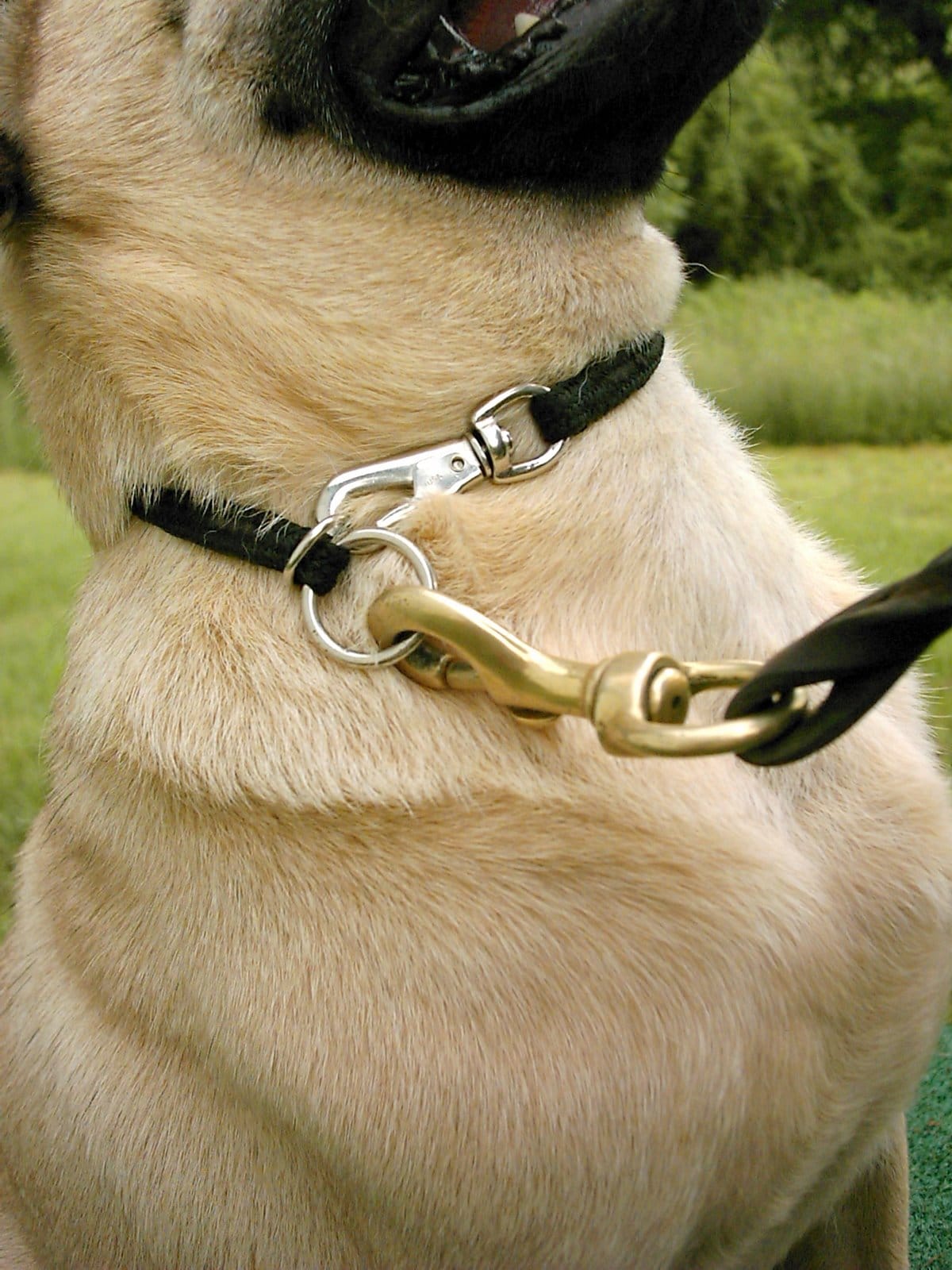
Navigating the world of dog training can feel like a maze, with countless tools and techniques promising a well-behaved companion. Among these, the dog training spike collar, also known as a prong collar, stands out as a controversial yet effective tool for some owners. If you’re curious about what exactly a dog training spike collar is, how it works, and whether it’s the right choice for your furry friend, you’ve come to the right place. We’ll delve into the specifics, from its design and mechanism to its proper use and alternatives.
What Exactly is a Dog Training Spike Collar?
A dog training spike collar is a type of training collar designed with a series of metal links that form a loop around a dog’s neck. Each link has a blunt prong that points inward towards the dog’s neck. When the leash is taut, these prongs gently but firmly press against the dog’s neck, creating a corrective sensation. The collar is typically made of stainless steel or other durable metals, and its length can often be adjusted to fit different dog sizes. The design is intended to provide immediate feedback during training, discouraging behaviors like pulling on the leash or excessive barking.
How Does a Dog Training Spike Collar Work?
The core principle behind the dog training spike collar is positive correction through discomfort, not pain. When a dog pulls on the leash, the collar tightens, and the blunt prongs apply pressure to the dog’s neck. This pressure serves as a physical cue, interrupting the unwanted behavior. The idea is that the dog quickly associates the discomfort with the action of pulling, learning to walk calmly by your side to avoid the sensation.
Crucially, the effectiveness of a dog training spike collar relies on proper fit and technique. A poorly fitted collar can be ineffective or even harmful. When fitted correctly, the collar should rest high on the dog’s neck, just behind the ears, and should not be loose enough to slide down or tight enough to restrict breathing. The correction should be a momentary, gentle pressure, not a harsh yank.
Key Components and Design Features
The design of a dog training spike collar is quite specific:
- Links: These form the adjustable band around the dog’s neck. They are interconnected to allow for a snug fit.
- Prongs: Each link typically features one or two blunt, rounded prongs that face inward. The bluntness is key; they are designed to apply pressure, not to puncture or cause injury.
- O-Ring: This is where the leash attaches. When the leash is pulled, the O-ring slides along the collar, engaging the prongs.
- Chain and Quick Release (Optional): Many collars include a chain section with a quick-release buckle for easier on-and-off application.
When is a Dog Training Spike Collar Recommended?
The decision to use a dog training spike collar is a significant one, and it’s generally recommended for specific situations and with experienced handlers. These collars are often considered for:
- Severe Leash Pulling: For dogs that pull excessively and have not responded to other training methods, a spike collar can provide a more consistent correction. This is particularly true for strong, large breeds.
- Advanced Obedience Training: In some advanced training scenarios, a spike collar might be used to refine specific behaviors or to achieve a higher level of control, especially in distracting environments.
- Experienced Handlers: These collars require a nuanced understanding of dog behavior and training signals. They are best used by individuals who have a solid grasp of positive reinforcement and correction timing.
It’s important to emphasize that these collars are not typically recommended for puppies or dogs with delicate neck structures, nor for basic obedience training where gentler methods would suffice.
The Role of Proper Fit and Application
The effectiveness and safety of a dog training spike collar hinge entirely on correct usage.
- Fit: The collar should sit snugly and high on the dog’s neck, ensuring the prongs make contact with the skin without being constricting. You should be able to fit two fingers between the collar and the dog’s neck.
- Leash Handling: Corrections should be gentle and momentary. A sharp, aggressive tug can be harmful and counterproductive. The goal is to use the collar as a communication tool, not a punishment device.
- Consistency: Like any training tool, consistency is key. Regular, short training sessions are more effective than infrequent, lengthy ones.
Alternatives to Dog Training Spike Collars
While Dog Training Spike Collars can be effective in certain contexts, many owners prefer or need to explore alternative training methods. Fortunately, there are several effective options available that focus on positive reinforcement and building a stronger bond with your dog.
Harnesses for Better Leash Control
- Front-Clip Harnesses: These harnesses feature a leash attachment point on the dog’s chest. When the dog pulls, the leash gently turns them back towards you, redirecting their attention and discouraging pulling without any pressure on their neck. Brands offering reliable dog training walking collars also often have complementary harness options.
- Head Halters (e.g., Gentle Leader): These work similarly to a horse’s halter, guiding the dog’s head. When the dog pulls, their head is gently turned, making it difficult for them to pull effectively. They offer excellent control and are a great option for strong pullers.
Lighter Training Collars and Leashes
- Martingale Collars: These collars are designed to tighten slightly when the dog pulls but not to the extent of a choke chain or spike collar. They prevent dogs from slipping out of their collars and offer a gentle correction for mild pulling.
- Flat Collars with Proper Training: With consistent positive reinforcement and leash handling techniques, a standard flat collar can be sufficient for many dogs. Focus on rewarding loose-leash walking and teaching your dog to walk beside you.
Positive Reinforcement Techniques
- Clicker Training: This method uses a clicker to mark desired behaviors, followed by a treat or reward. It’s highly effective for teaching commands and shaping good behavior by associating actions with positive outcomes.
- Reward-Based Training: Focus on rewarding your dog for good behavior, such as walking nicely on the leash, sitting patiently, or responding to commands. This approach builds trust and strengthens the human-animal bond.
- “No-Slip” Training Methods: Teaching your dog to respond to verbal cues and gentle leash guidance, gradually phasing out any physical correction, is a highly effective and humane approach.
Frequently Asked Questions About Dog Training Spike Collars
Q1: Are dog training spike collars cruel?
While they can be misused, when used correctly by experienced handlers with a proper fit, they are intended to provide a corrective pressure rather than cause pain. However, many ethical trainers advocate for exclusively positive reinforcement methods.
Q2: Can a dog training spike collar be used on a puppy?
It is generally not recommended to use spike collars on puppies. Their necks are still developing, and gentler training methods are more appropriate for young dogs.
Q3: How do I know if the dog training spike collar is fitted correctly?
The collar should fit snugly high on the dog’s neck, just behind the ears. You should be able to comfortably slip two fingers between the collar and the dog’s neck. It should not be loose enough to slide down or tight enough to restrict breathing.
Q4: What is the difference between a spike collar and a choke chain?
A choke chain tightens significantly and can cause choking if the dog pulls hard. A spike collar, when fitted correctly, applies pressure with blunt prongs, designed for correction rather than constriction.
Q5: What are the best practices for introducing a dog to a spike collar?
Introduce the collar gradually, allowing the dog to get used to wearing it without the leash attached. Begin with short training sessions, focusing on positive reinforcement and using gentle leash corrections only when necessary. Always consult with a professional trainer if you are unsure.
Conclusion: Making an Informed Choice for Your Dog
The dog training spike collar is a tool that requires careful consideration, proper knowledge, and skillful application. While it can be an effective aid for specific training challenges, particularly severe leash pulling in experienced hands, it’s not a one-size-fits-all solution. Understanding its mechanism, potential risks, and importantly, exploring the wide array of humane and positive reinforcement alternatives is crucial.
Ultimately, the goal is to build a strong, trusting relationship with your dog. By choosing training methods that prioritize your dog’s well-being and your bond, you can achieve a well-behaved companion through understanding and positive guidance. Always prioritize your dog’s comfort and safety, and when in doubt, seek professional guidance from a certified dog trainer. The journey of dog training walking collars and other tools is about finding what works best for you and your canine companion.
