
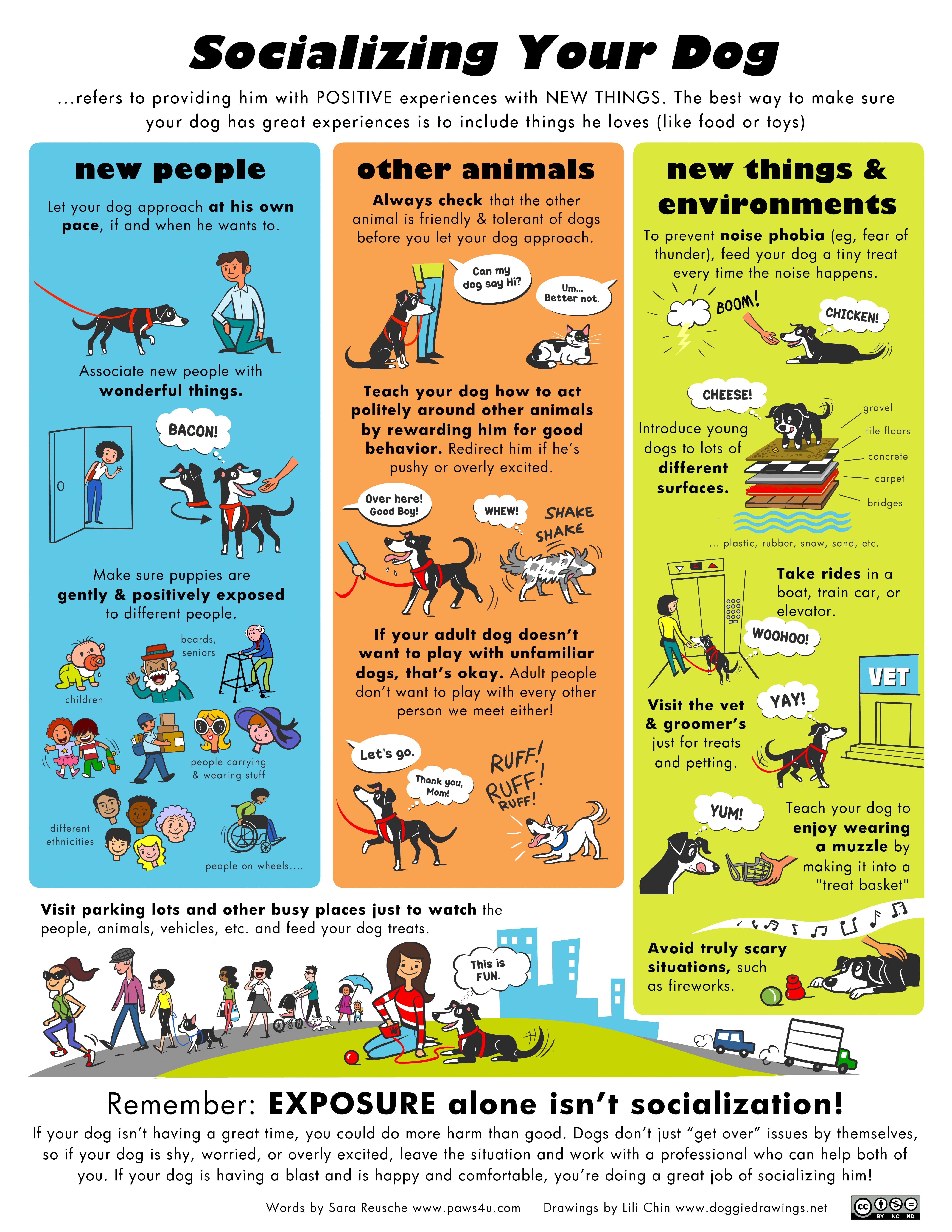
Bringing a new puppy home is an exciting time, filled with joy and a unique set of responsibilities. Among the most crucial aspects of raising a well-adjusted canine companion is Dog Training Socialization Classes. These classes are not just about teaching obedience; they are foundational for a dog’s entire life, shaping their behavior, confidence, and ability to navigate the world around them. Early and positive exposure to various sights, sounds, people, and other dogs is paramount, and structured classes offer a safe and controlled environment to achieve this.
The Importance of Early Socialization for Your Dog
Puppies have a critical socialization window, typically between 3 and 16 weeks of age. During this period, their brains are like sponges, absorbing information about the world and forming impressions that can last a lifetime. Missing this window or having negative experiences can lead to fear-based aggression, anxiety, and other behavioral issues later on. Dog training socialization classes provide a vital opportunity for puppies to:
- Meet Diverse Dogs: Interact with dogs of different breeds, sizes, ages, and temperaments in a supervised setting. This helps them learn appropriate dog-to-dog communication and reduces the likelihood of fear or aggression towards unfamiliar dogs.
- Encounter New Environments: Experience a variety of sights and sounds, such as different flooring, people in hats, children playing, and even passing vehicles, without being overwhelmed.
- Learn from Positive Reinforcement: Skilled trainers guide interactions, ensuring they remain positive and productive. This builds a dog’s confidence and association of new experiences with good things, like treats and praise.
- Develop Confidence: Successfully navigating new social situations builds a dog’s self-assurance, making them more adaptable and less likely to be fearful or reactive in everyday life.
What to Expect in a Dog Training Socialization Class
When you enroll in dog training socialization classes, you can anticipate a structured yet engaging program designed to foster positive development. While specific curricula vary, most classes will cover:
Introduction to Basic Obedience
While the primary focus is socialization, most classes will weave in fundamental obedience cues. This often includes:
- Name Recognition: Teaching your puppy to respond to their name.
- Sit: A foundational command for impulse control.
- Down: Another useful command for calming and settling.
- Recall: The essential “come” command for safety.
- Leash Manners: Introducing your puppy to walking politely on a leash.
These basic commands not only aid in managing your puppy but also serve as tools for redirection during socialization exercises.
Guided Play and Interaction
This is the heart of socialization classes. Trainers carefully manage play sessions, ensuring that interactions are positive and appropriate. They’ll observe canine body language and intervene if play becomes too rough or if a puppy is showing signs of stress. This guided approach helps prevent negative experiences that could set back your puppy’s social development.
Exposure to Novel Stimuli
Classes often introduce a range of novel stimuli in a controlled manner. This might include:
- Different Surfaces: Walking on various textures like carpet, tile, wood, or even a agility tunnel.
- Unusual Objects: Exposure to items like umbrellas, skateboards, or vacuum cleaners from a safe distance.
- Various Sounds: Playing recordings of thunderstorms, fireworks, or doorbells at a low volume.
- Different People: Introducing your puppy to people of various ages, appearances, and gaits.
Handling and Grooming Desensitization
Gentle handling exercises are often incorporated. This helps your puppy become comfortable with:
- Being Touched: Familiarizing them with having their paws, ears, and mouth examined.
- Grooming Activities: Getting used to gentle brushing or nail trims.
This desensitization is crucial for making veterinary visits and grooming appointments less stressful for both dog and owner.
Choosing the Right Dog Training Socialization Classes
With numerous options available, selecting the best class for your puppy is essential. Consider these factors:
- Trainer Qualifications: Look for trainers who are certified by reputable organizations (e.g., CCPDT, IAABC) and who use positive reinforcement methods. Their expertise in canine behavior is paramount.
- Class Size and Structure: Smaller class sizes often allow for more individual attention. The structure should be organized, focusing on positive experiences rather than overwhelming the puppies.
- Vaccination Requirements: Ensure the facility has strict vaccination policies to protect your puppy’s health. A reputable class will require proof of up-to-date vaccinations.
- Environment: The training space should be clean, safe, and free from excessive distractions.
- Reviews and Recommendations: Ask your veterinarian, friends, or local dog-owning communities for recommendations. Reading online reviews can also provide insight into other owners’ experiences.
If you’re considering options like pawsitive connection dog training, it’s wise to research their specific approach and trainer credentials. Similarly, understanding the philosophy behind programs like ruffgers dog university – naples dog training & boarding can help you make an informed decision.
Beyond the Classroom: Continued Socialization
While dog training socialization classes provide an invaluable foundation, socialization is an ongoing process. Continue to:
- Safely Expose Your Dog: Gradually introduce your dog to new people, places, and well-behaved dogs in a controlled and positive manner.
- Practice Obedience: Reinforce learned commands in various environments. This is where skills learned in dog house training classes can be put to good use.
- Manage Reactivity: If your dog shows fear or reactivity, seek professional guidance. Advanced techniques might be necessary, similar to those found in aggressive dog training charlotte or in home dog training phoenix programs, adapted to your specific situation.
- Observe and Understand: Pay attention to your dog’s body language and respect their boundaries. Not all dogs are naturally social butterflies, and forcing interactions can be counterproductive.
Frequently Asked Questions About Dog Socialization Classes
Q1: When is the best time to enroll my puppy in socialization classes?
A1: The ideal window for puppy socialization is between 7 to 16 weeks of age. Many classes welcome puppies as young as 8 weeks, provided they have had their initial vaccinations.
Q2: My puppy is shy. Will socialization classes be too overwhelming?
A2: Reputable classes are designed to accommodate shy puppies. Trainers use gentle methods to build confidence gradually, ensuring a positive experience.
Q3: How long do socialization classes typically last?
A3: Classes usually run for 4-8 weeks, with sessions typically lasting 45-60 minutes.
Q4: What if my puppy has a negative interaction in class?
A4: A good trainer will manage interactions closely. If a negative incident occurs, they will address it immediately, provide support, and help your puppy regain confidence.
Q5: Can adult dogs benefit from socialization classes?
A5: While the critical window is for puppies, adult dogs can still benefit from socialization, especially if they missed early opportunities or had negative experiences. However, adult socialization classes are often more specialized and may require assessment.
The Enduring Impact of Socialization
Investing in dog training socialization classes is one of the most impactful decisions you can make for your dog’s long-term well-being. It lays the groundwork for a confident, well-behaved companion who can comfortably navigate the complexities of the human world. By providing positive early experiences, you are setting your dog up for a lifetime of happiness, reducing the likelihood of behavioral problems, and strengthening the bond you share. Remember, a well-socialized dog is a happy dog, and a happy dog makes for a happy home.
