
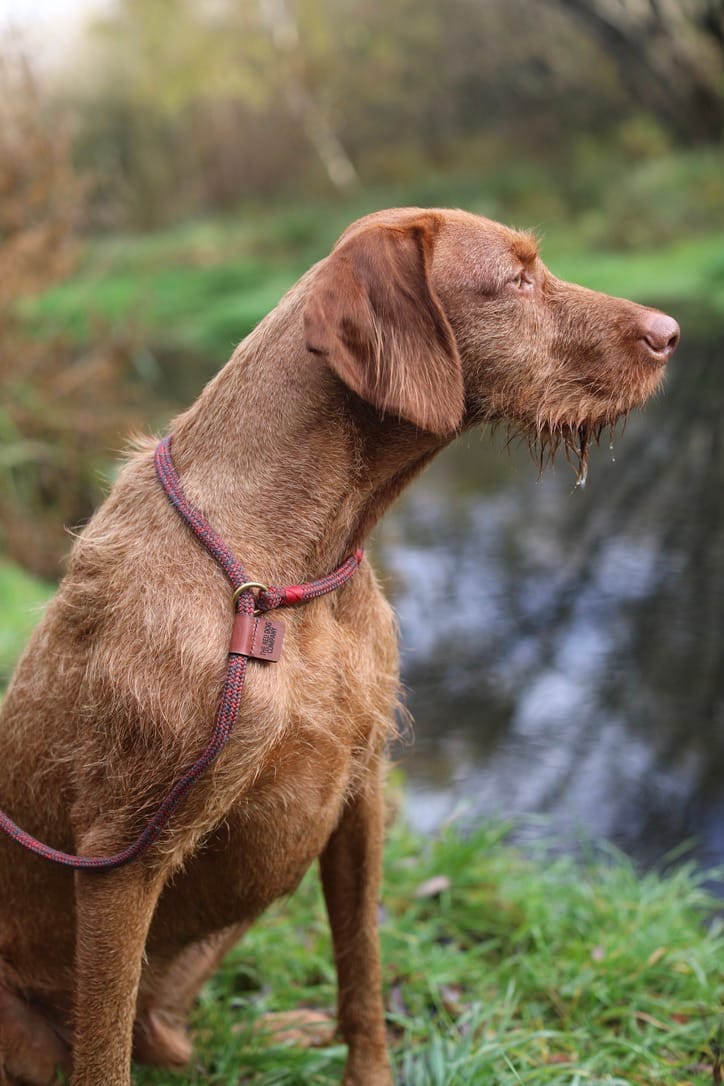
A Dog Training Slip Lead is a versatile tool that can be a game-changer for training and walking your canine companion. Unlike traditional leashes with separate collars or harnesses, a slip lead combines both into one simple, effective piece of equipment. This unique design makes it incredibly useful for a variety of training situations, from basic obedience to correcting pulling behavior.
Understanding the Mechanics of a Slip Lead
At its core, a dog training slip lead is a loop of material, typically nylon or leather, that tightens when the dog pulls away from the handler and loosens when the dog walks beside them. This gentle tension serves as a clear communication signal to your dog. When the lead tightens, it prompts the dog to stop pulling and pay attention to your cues. As soon as they comply or relax their pull, the loop loosens, rewarding them with comfort.
This self-tightening and loosening action is key to its effectiveness. It provides immediate feedback to your dog without the need for harsh corrections. The leash essentially “talks” to your dog, guiding them towards preferred behavior. This makes it an excellent tool for positive reinforcement training, helping your dog understand what you want them to do.
Why Choose a Slip Lead for Your Dog Training Journey?
The popularity of slip leads stems from several distinct advantages they offer over other training tools. Their simplicity is a major draw, as they eliminate the need to fiddle with separate collars or harnesses, especially useful when you need to quickly leash up your excited pup for a walk or training session.
Simplicity and Ease of Use
For many owners, the biggest hurdle in training is consistent communication. Slip leads simplify this by creating a direct line of responsiveness between you and your dog. You don’t have to worry about a collar slipping off or a harness being fitted incorrectly. Just loop it over your dog’s head, and you’re ready to go. This ease of use can be particularly beneficial for new dog owners or those managing multiple dogs.
Effective for Addressing Pulling
One of the most common training challenges is a dog that pulls excessively on the leash. A slip lead is particularly effective in curbing this behavior. As the dog pulls, the lead tightens, discouraging the forward motion. When the dog stops pulling or walks closer to you, the lead loosens, reinforcing the desired loose-leash walking. This immediate feedback loop helps dogs learn quickly that a relaxed leash is a comfortable leash. This is where understanding the proper way to use a dog training slip lead becomes crucial.
Versatility in Training Scenarios
Beyond just leash manners, slip leads can be invaluable in various training contexts. They are often used in competitive dog sports like agility or obedience trials because they are quick to put on and offer reliable control. For dogs that might be a bit reactive or easily distracted, the slip lead provides a secure and responsive way to manage them during training sessions in public places. You might also find them useful in situations where you need to quickly guide your dog, such as during a vet visit or when meeting new people. If you are looking into specific training methods, resources like dog training spike collars or even boot camp dog training can offer complementary strategies, but the slip lead remains a foundational tool for many.
Portability and Convenience
Their lightweight and compact nature makes slip leads incredibly portable. They can be easily folded and stashed in a pocket, backpack, or glove compartment, ensuring you always have a reliable training tool on hand. This is perfect for impromptu training sessions or unexpected situations where you might need more control than a standard leash offers.
How to Properly Use a Dog Training Slip Lead
While slip leads are effective, they must be used correctly to ensure your dog’s safety and comfort. Misuse can lead to discomfort or even injury.
Correct Placement is Key
The slip lead should be placed over your dog’s head so that the loop rests high on the neck, just behind the ears. This area is sensitive, and the lead should not be placed lower on the neck, near the trachea, as this can restrict breathing or damage the windpipe. The part of the lead that forms the loop should be on one side of the dog’s neck, with the handle hanging down on the other.
Understanding Tension and Release
The core principle of using a slip lead is to apply gentle tension when needed and release it immediately when your dog responds correctly. This means you should not keep constant tension on the lead. Instead, use short, gentle signals. When your dog pulls, the lead tightens. The moment they stop pulling or move towards you, release the tension. This teaches them that yielding to gentle pressure leads to comfort. It’s a dialogue, not a tug-of-war. This responsiveness can be enhanced with complementary tools like training mats for dogs that help with focus.
Gradual Introduction and Positive Association
When first introducing a slip lead, do so gradually. Let your dog wear it for short periods while supervised, offering treats and praise. This helps them associate the lead with positive experiences. Start with very short walks, focusing on rewarding slack in the leash. If your dog is struggling, consider using a longer lead for more space to practice, like a long line dog training setup, before transitioning back to the slip lead for finer control.
When to Avoid Slip Leads
Slip leads are not suitable for all dogs or all situations. Dogs with delicate neck structures, respiratory issues, or certain medical conditions should not use slip leads. Similarly, puppies under a certain age (consult your vet or a trainer) may not have the physical or cognitive development to understand the communication method of a slip lead. For very strong pullers or dogs with significant behavioral issues, a more robust harness might be a better starting point, possibly in conjunction with professional guidance on using tools like a dog harness and training lead near me.
Tips for Maximizing the Effectiveness of Your Slip Lead
To get the most out of your dog training slip lead, consider these additional tips:
Keep Training Sessions Short and Engaging
Dogs, especially puppies, have short attention spans. Keep training sessions brief (5-10 minutes) but frequent. End each session on a positive note, even if it’s just a simple “sit” command rewarded with a treat. This keeps your dog eager for the next training opportunity.
Be Consistent
Consistency is paramount in dog training. Ensure all family members use the slip lead correctly and consistently. Mixed signals will confuse your dog and hinder progress.
Pair with Other Training Methods
A slip lead is a tool, not a magic wand. It works best when integrated into a comprehensive training plan that includes positive reinforcement, clear commands, and plenty of socialization. Consider using other aids like puzzle toys or interactive feeders to keep your dog mentally stimulated.
Observe Your Dog’s Body Language
Always pay attention to your dog’s cues. If they show signs of stress, fear, or discomfort, reassess your training approach and the equipment you are using. A happy, confident dog is the goal, and the slip lead should facilitate that.
Common Questions About Dog Training Slip Leads
Q1: Are slip leads safe for all dogs?
While generally safe when used correctly, slip leads are not recommended for puppies, senior dogs, or dogs with pre-existing health conditions affecting their neck or respiratory system. Always consult with a veterinarian or certified dog trainer if you have concerns.
Q2: How tight should a slip lead be on my dog?
The slip lead should be snug enough to stay in place and provide gentle feedback when the dog pulls, but loose enough to allow two fingers to comfortably fit between the loop and your dog’s neck when slack. It should never be so tight that it restricts breathing or causes distress.
Q3: Can a slip lead be used as a primary leash for everyday walks?
Yes, for many dogs, a slip lead can be used as their everyday leash once they have learned proper loose-leash walking skills. Its convenience makes it a popular choice for many handlers.
Q4: What’s the difference between a slip lead and a martingale collar?
A slip lead is a lead that doubles as a collar, tightening as a unit. A martingale collar is a fixed collar with a secondary loop that tightens, but only to a pre-set limit, preventing it from overtightening like a slip lead can if misused.
Q5: My dog still pulls with a slip lead. What am I doing wrong?
This could be due to several factors: incorrect placement of the lead, inconsistent application of tension and release, insufficient training in basic commands, or the dog simply needing more time to understand the communication. Ensure you are rewarding slack leash behavior and consider professional guidance.
Conclusion: A Valuable Tool for Enhanced Communication
The dog training slip lead is a powerful and convenient tool that, when used correctly and with consistency, can significantly enhance communication and improve loose-leash walking skills. Its design facilitates a clear understanding between dog and owner, fostering a more harmonious relationship. Remember that responsible use, proper fit, and a positive training approach are key to unlocking the full potential of this versatile training aid. Happy training!
