
The bond between humans and dogs is ancient and profound, built on trust, communication, and mutual understanding. For centuries, we’ve sought effective ways to guide our canine companions, shaping their behavior to live harmoniously alongside us. In the modern era, this quest has led to the development of various training tools, each with its own philosophy and application. Among these, remote shock collars, also known as e-collars or training collars with remote, have emerged as a powerful, albeit sometimes controversial, instrument in the dog training toolkit. When used responsibly and ethically, these devices can be instrumental in achieving specific training goals, enhancing communication, and ensuring the safety of our dogs. This article delves into the world of remote dog training collars, exploring their functionality, benefits, and the crucial considerations for their use.
Understanding How Remote Shock Collars Work
At their core, remote shock collars are designed to provide a clear, immediate consequence for a dog’s behavior. They consist of a transmitter (held by the handler) and a receiver that attaches to the dog’s collar. The handler can send a signal from the transmitter to the receiver, which then delivers a mild electrical stimulation. This stimulation is not intended to cause pain, but rather to act as a distraction or a correctional cue, interrupting an undesirable behavior or reinforcing a command. Most modern training collars for dogs offer adjustable levels of stimulation, allowing the trainer to find the minimum effective level for their individual dog. Beyond the static stimulation, many advanced models, such as those from SportDOG, also incorporate vibration and tone options, providing a multi-modal approach to communication and training. This versatility is key to understanding the best remote dog training collar for your specific needs, as it allows for a tailored approach that prioritizes positive reinforcement alongside correction.
The Advantages of Using a Remote Training Collar
The primary benefit of a dog training shock collar with remote lies in its ability to bridge the communication gap between a handler and a dog, especially over a distance. This is particularly invaluable in situations where a dog’s safety is paramount, such as near busy roads, or when dealing with persistent behavioral issues like excessive barking or chasing.
- Enhanced Remote Communication: A remote training collar allows you to correct or guide your dog when they are out of voice command range. This can be a lifesaver in unpredictable environments.
- Addressing Deep-Seated Behaviors: For stubborn behaviors that haven’t responded to traditional methods, the clear consequence provided by an e-collar can be highly effective in redirecting the dog’s focus and deterring unwanted actions. Bousnic dog training collar reviews often highlight success in curbing prey drive or aggression.
- Safety and Containment: In open spaces, a remote collar can help keep a dog from running off, preventing potential accidents or loss. It provides an extra layer of security for owners of adventurous or easily distracted breeds.
- Reduced Frustration for Dog and Owner: By providing a clear and consistent communication system, these collars can actually reduce frustration for both the dog and the owner. The dog learns what is expected, and the owner has a reliable tool to guide them.
Ethical Considerations and Responsible Use
The effectiveness of a remote shock collar is directly tied to how responsibly it is used. It’s crucial to understand that these are tools for training, not for punishment or abuse. The goal is to create a clear understanding of desired behaviors, not to inflict pain or fear.
When to Consider a Remote Shock Collar
- Advanced Training: These collars are often best suited for dogs that have already mastered basic obedience commands and are undergoing more advanced training, such as off-leash work or specific behavioral modification.
- Safety Concerns: If your dog has a strong prey drive, a history of running off, or lives in an environment with significant safety risks, a remote collar can be a valuable safety tool.
- Professional Guidance: It is highly recommended to consult with a professional dog trainer experienced in using e-collars. They can help you select the right device, establish appropriate training protocols, and ensure you are using the collar ethically.
Best Practices for Using Remote Training Collars
- Start at the Lowest Level: Always begin with the lowest possible stimulation level and gradually increase it only as needed. The goal is to find the lowest setting that gets your dog’s attention and elicits a response, often a slight head shake or ear twitch.
- Use as a Corrector, Not a Punisher: The stimulation should be used to interrupt an unwanted behavior and immediately followed by a command for the desired behavior. For example, if your dog is about to chase a squirrel, a mild stimulation can interrupt the chase, and you can then cue “Leave it!” or “Come!”
- Timing is Everything: The correction must be delivered as the unwanted behavior is occurring. Delayed corrections are confusing and ineffective for dogs.
- Combine with Positive Reinforcement: E-collars are most effective when used in conjunction with positive reinforcement methods. Reward your dog with praise, treats, or toys when they respond correctly to commands, especially after a correction.
- Never Use on an Aggressive Dog: Remote collars can exacerbate aggression in dogs who are already fearful or aggressive. It is crucial to address aggression with methods recommended by a qualified behaviorist.
- Ensure Proper Fit: The receiver collar should fit snugly but comfortably, ensuring good contact with the dog’s skin without causing irritation.
- Consider the Dog’s Temperament: Some dogs are more sensitive than others. A temperament assessment by a professional can help determine if a remote collar is appropriate for your dog.
Selecting the Best Remote Dog Training Collar
With numerous options available, choosing the best remote dog training collar requires careful consideration of your dog’s needs and your training goals. Look for features such as:
- Adjustable Stimulation Levels: Essential for tailoring the correction to your dog’s sensitivity.
- Range: Consider the distance you typically train or walk your dog. Some collars offer up to a mile of range.
- Waterproof/Water-Resistant: Important for dogs who enjoy swimming or for training in various weather conditions.
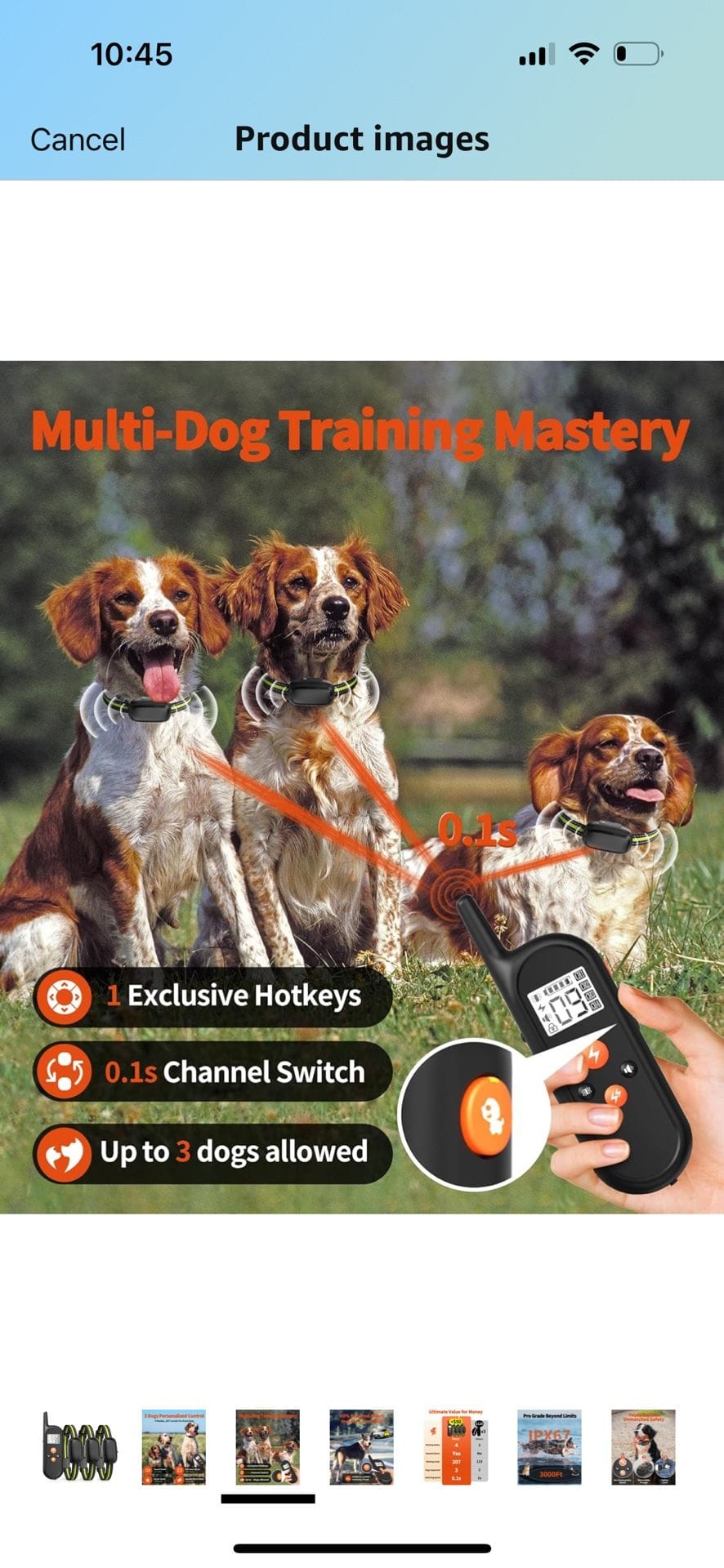
- Number of Dogs: If you have multiple dogs, consider a system that can control more than one collar from a single transmitter.
- Additional Features: Vibration, tone, and even remote beeper functions can add versatility to your training.
When researching, looking into reviews for specific brands like the “best remote dog training collar” on reputable dog training sites can offer valuable insights from other owners.
The Role of E-Collars in Modern Dog Training
Remote shock collars are a tool, and like any tool, their effectiveness and ethical standing depend entirely on the user. When wielded with knowledge, patience, and a commitment to the dog’s well-being, they can be an invaluable asset for serious trainers and dedicated owners. They offer a precise means of communication, particularly in challenging situations, and can help build a stronger, safer relationship with our canine companions. Remember, the ultimate goal is a well-behaved, happy, and safe dog, and with the right approach, a remote training collar can be a significant part of achieving that objective.
