
Leaving your dog alone shouldn’t be a source of stress for either of you. Yet, for countless owners, the thought of walking out the door triggers immense guilt and worry. You return home not to a happy greeting, but to a scene of destruction, incessant barking complaints from neighbors, or a pet that is visibly distressed. This is the difficult reality of living with a dog suffering from separation anxiety. Effective dog training for separation anxiety is not just about correcting bad behavior; it’s about addressing the deep-seated panic your dog feels when you’re gone. Understanding the root of this anxiety is the first crucial step toward helping your furry companion find peace and confidence, transforming your departures from traumatic events into calm non-events. For many, this journey can feel overwhelming, but with patience and the right techniques, you can teach your dog that being alone is okay. The process is similar in some ways to building confidence in other areas, such as learning how to manage fearful reactions, which is a key part of separation anxiety dogs training.
Understanding Canine Separation Anxiety
Before diving into training, it’s critical to understand what separation anxiety truly is. It’s not your dog being spiteful or misbehaving out of boredom. It is a genuine panic disorder, much like a human panic attack. When left alone, a dog with separation anxiety experiences overwhelming fear and distress.
Telltale Signs and Symptoms
How can you be sure it’s separation anxiety? While some behaviors might overlap with puppy antics or boredom, the key difference is that these actions only happen when the dog is left alone or believes they are alone.
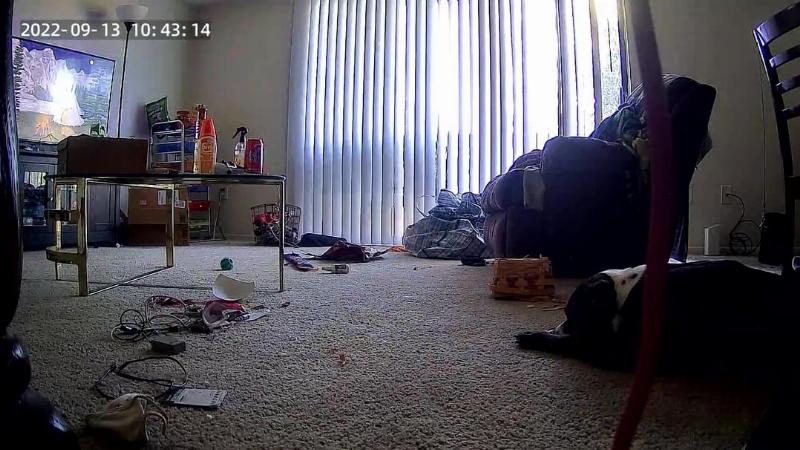
- Destructive Behavior: This is often focused on entry and exit points like doors and windows, as the dog tries to escape and find you. Chewing on furniture, digging at carpets, and destroying personal items that smell like you are also common.
- Excessive Vocalization: Barking, howling, and whining that begins shortly after you leave and continues for extended periods is a hallmark sign. Your neighbors are often the first to alert you to this.
- House Soiling: A perfectly house-trained dog may urinate or defecate indoors due to extreme stress. This is an involuntary physical response to fear, not a conscious act of rebellion.
- Pacing and Panting: Agitated pacing, often in a set pattern, and excessive drooling or panting are physical manifestations of their anxiety.
- Escape Attempts: Frantic efforts to escape their confinement, whether it’s a crate or a room, can sometimes lead to self-injury, such as broken teeth or scraped paws.
It’s also important to recognize “Velcro dog” behavior. If your dog follows you from room to room, needs constant physical contact, and becomes anxious even when you’re in the shower, it can be a precursor to more severe separation anxiety.
The Core Principles of Anxiety Training
Successfully treating separation anxiety revolves around changing your dog’s underlying emotional response to being alone. Instead of panic, we want to foster a sense of calm and independence. The two most powerful techniques to achieve this are desensitization and counter-conditioning.
As Dr. Sarah Miller, a leading expert in canine behavior, states, “You cannot punish a dog out of a panic attack. The goal is not to suppress the behavior but to resolve the underlying fear. We must gently and systematically teach the dog that solitude is safe, not scary.”
This approach requires patience and consistency. There are no quick fixes; you are essentially reprogramming your dog’s brain to build new, positive associations with being alone.
 A golden retriever with a worried expression looking out a window as its owner leaves, a key sign for dog training separation anxiety.
A Step-by-Step Guide to Training
Implementing a training plan requires breaking the process down into manageable steps. The key is to progress at your dog’s pace, never pushing them past their comfort threshold where anxiety kicks in.
Phase 1: Desensitization to Departure Cues
Your dog is a master observer. They know that you grabbing your keys, putting on your shoes, or picking up your bag means you’re about to leave. These have become triggers for their anxiety. Our first job is to make these cues meaningless.
- Identify the Triggers: Make a list of all the small actions you take before you leave the house.
- Break the Association: Throughout the day, when you have no intention of leaving, perform these actions. Pick up your keys and then go sit on the couch. Put on your coat and then start making dinner. Grab your wallet and then watch TV.
- Repeat, Repeat, Repeat: Do this dozens of time a day. The goal is for your dog to see you grab your keys and think nothing of it. The action no longer predicts the scary event (your departure).
Phase 2: Counter-Conditioning Being Alone
This phase runs parallel to desensitization. Here, we want to change the association of being alone from a negative one to a positive one.
- Introduce a High-Value “Alone Time” Treat: Find a treat that your dog absolutely loves and only give it to them when you are practicing this training. This could be a puzzle feeder filled with peanut butter, a frozen Kong, or a special long-lasting chew.
- Start Small: Give your dog their special treat and then take one step out of the door. Come right back in before they can even start to get anxious. The goal is for them to be more interested in the treat than your absence.
- Gradually Increase Duration: As they remain calm, slowly extend the time you’re gone.
- Step out, close the door, immediately open it and come back in.
- Step out for 5 seconds.
- Step out for 20 seconds.
- Step out for 1 minute.
This process is slow. If at any point your dog shows signs of distress, you’ve gone too fast. Go back to a shorter duration where they were successful and work your way up more slowly from there. Figuring out how to train a dog with separation anxiety is a marathon, not a sprint.
Common Mistakes Owners Make
Even with the best intentions, it’s easy to accidentally reinforce your dog’s anxiety. Avoiding these common pitfalls is crucial for success.
- Punishment: Never scold or punish your dog for their anxious behavior. The destruction and house soiling are symptoms of panic, not acts of defiance. Punishment will only increase their fear and anxiety, making the problem worse.
- Emotional Departures and Arrivals: Long, emotional goodbyes and overly excited greetings can heighten the anxiety around your comings and goings. They make your departure a bigger deal than it needs to be. Aim for calm, low-key transitions. A simple, quiet “I’ll be back” and a calm greeting only after your dog has settled down is far more effective.
- Inconsistency: If you only practice the training protocols once or twice a week, you won’t see progress. Short, frequent sessions every day are essential to building new habits and associations for your dog.
The Role of Crate Training
For some dogs, a crate can be a safe, den-like space that provides security. For others, it can exacerbate the feeling of being trapped and panicked. Proper dog crate training for separation anxiety is essential. The crate must be introduced slowly and associated with wonderful things like special treats and meals. It should never be used as a punishment. If your dog already has a negative association with the crate or shows extreme panic when confined, it may not be the right tool for your situation.
When to Seek Professional Help
While many mild cases of separation anxiety can be managed with dedicated at-home training, severe cases often require professional intervention. You should consider seeking help if:
- Your dog is at risk of injuring itself during escape attempts.
- You are not seeing any progress after several weeks of consistent training.
- The severity of the symptoms is causing major disruptions to your life or your neighbors’.
A Certified Applied Animal Behaviorist (CAAB), a board-certified veterinary behaviorist (DACVB), or a certified professional dog trainer with specific experience in anxiety disorders can provide a structured plan. In some cases, a veterinarian may also prescribe anti-anxiety medication to be used in conjunction with behavior modification. This medication is not a cure, but it can help lower the dog’s anxiety enough for the training to be effective. A skilled dog trainer for separation anxiety can be an invaluable partner in this journey.
Complementary Management Strategies
Alongside your core training plan, other strategies can help set your dog up for success.
- Adequate Exercise: A tired dog is often a calmer dog. Ensure your dog gets a vigorous walk or play session before you leave. This helps burn off excess energy that might otherwise fuel anxiety.
- Mental Stimulation: Puzzle toys, snuffle mats, and training games can help build your dog’s confidence and keep their mind engaged. A mentally tired dog is less likely to be an anxious one.
- Calmness is Key: Your own energy has a huge impact on your dog. If you are stressed and anxious about leaving, your dog will pick up on it. Practice staying calm and confident during your departure routine.
Ultimately, overcoming separation anxiety is a journey of building trust and confidence. By implementing these training techniques with patience and empathy, you can teach your dog that they are safe and secure, even when you’re not there. The peace of mind that comes from knowing your best friend is happy and relaxed at home is the ultimate reward for your dedication to dog training for separation anxiety.
Frequently Asked Questions (FAQ)
How long does dog training for separation anxiety take?
The timeline varies greatly depending on the severity of the anxiety, the dog’s history, and the owner’s consistency. Mild cases may see improvement in a few weeks, while severe cases can take many months of dedicated, patient training. There is no quick fix.
Can a second dog cure separation anxiety?
It is a common myth that getting another dog will solve the problem. In most cases, it does not work. The anxiety is about the separation from a specific person (or people), not just about being lonely. You may end up with two dogs with separation anxiety.
Does my dog have separation anxiety or are they just bored?
Boredom-based destruction usually looks different. It’s more random and opportunistic, like chewing on a shoe left out. Anxiety-driven destruction is typically focused on escape routes like doors and windows and is accompanied by other signs of distress like excessive vocalization or house soiling.
Is it okay to leave the TV or radio on for my dog?
Leaving a TV or radio on can sometimes help muffle outside noises that might trigger barking, but it is not a cure for separation anxiety itself. It can be a helpful management tool as part of a larger behavior modification plan, but it won’t resolve the underlying panic.
Can I ever leave my dog alone while we are training?
This is the hardest part of the process. Ideally, you should avoid leaving your dog alone for longer than they can handle. This may mean using doggy daycare, a pet sitter, or help from friends and family. Every time your dog has a full-blown panic attack, it reinforces the fear and can set your training back.
