
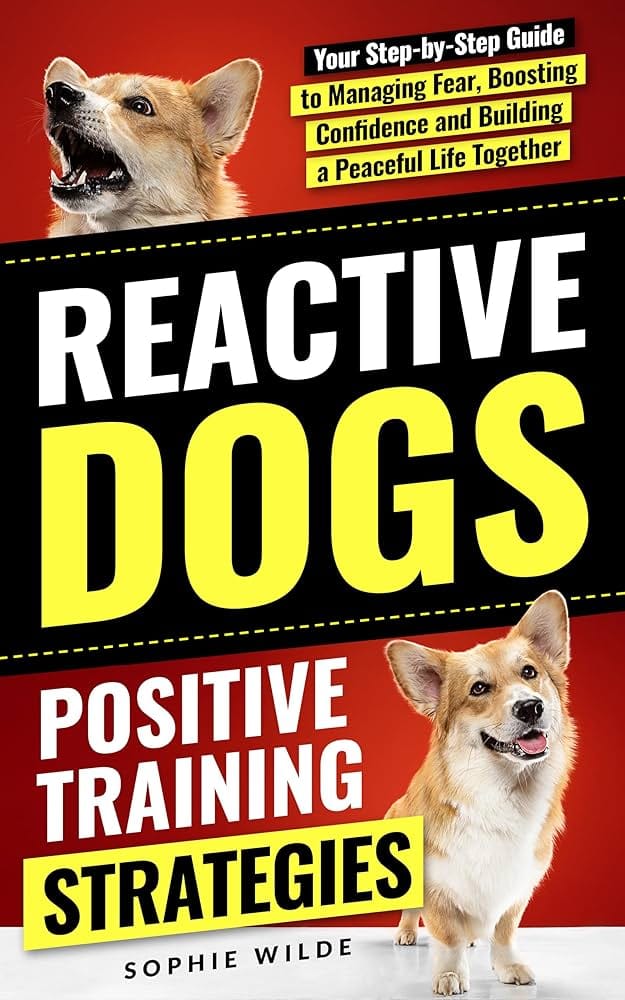
Reactive dogs, often misunderstood and mislabeled, are not inherently “bad.” They are dogs who, due to a variety of factors, exhibit heightened emotional responses to specific triggers, leading to behaviors like barking, lunging, or even snapping. Understanding and effectively managing this reactivity is key to a harmonious life with your canine companion. This comprehensive guide will delve into the nuances of reactive dog training, equipping you with the knowledge and tools to help your dog become calmer and more confident.
Understanding Dog Reactivity: More Than Just a “Bad Dog”
Dog reactivity is essentially an overreaction to a stimulus. This stimulus, or “trigger,” can be anything from other dogs, people, bicycles, cars, or even certain sounds or environments. The underlying causes are complex and can stem from a combination of genetics, past experiences (especially negative ones), lack of socialization, fear, anxiety, frustration, or even underlying medical conditions. It’s crucial to approach reactive dog training with empathy and a commitment to understanding the root cause, rather than simply suppressing the outward behavior.
Common Triggers for Reactive Dogs
- Other Dogs: This is perhaps the most common trigger. A reactive dog might feel threatened, fearful, or overly aroused by the presence of another dog.
- People: Strangers, especially those wearing hats, carrying unusual objects, or moving in specific ways, can be triggering.
- Vehicles: Cars, bicycles, skateboards, and even strollers can elicit a chase or alarm response.
- Environmental Stimuli: Loud noises (thunderstorms, fireworks), sudden movements, or unfamiliar surroundings can cause a dog to become stressed and reactive.
The Foundation of Reactive Dog Training: Building Trust and Management
Before diving into specific training techniques, it’s essential to establish a strong foundation of trust and implement effective management strategies. This is not about “fixing” your dog, but about helping them cope and eventually thrive.
Management: Preventing the Rehearsal of Reactivity
Management is about preventing your dog from being put in situations where they are likely to react. This doesn’t mean isolating your dog, but rather making conscious choices to set them up for success.
- Avoidance: Initially, identify your dog’s triggers and actively avoid them. This might mean crossing the street to create distance from an approaching dog or choosing quieter walking routes.
- Creating Distance: If an encounter is unavoidable, create as much distance as possible between your dog and the trigger. The greater the distance, the less likely your dog is to react.
- Using Barriers: Utilize physical barriers like baby gates or crates when guests are over to prevent unwanted interactions.
Building a Strong Bond: The Cornerstone of Training
A strong bond built on trust and positive reinforcement is paramount. Your dog needs to see you as a source of comfort and security, not as a source of correction or punishment, which can exacerbate reactivity.
- Positive Reinforcement: Reward desired behaviors with high-value treats, praise, or toys. This helps your dog associate positive experiences with their environment and with you.
- Understanding Body Language: Learn to read your dog’s subtle stress signals (lip licking, yawning, whale eye) before they escalate into a full-blown reaction. This allows you to intervene proactively.
Effective Reactive Dog Training Techniques
Once management is in place and your bond is strengthening, you can begin introducing specific training techniques. The goal is to change your dog’s emotional response to triggers from negative to neutral, or even positive.
Desensitization and Counter-Conditioning (DSCC)
DSCC is the gold standard for treating reactivity. It involves gradually exposing your dog to their triggers at a distance where they don’t react (desensitization) while simultaneously pairing the trigger with something positive, like high-value treats (counter-conditioning).
How it works:
- Identify the Threshold: Determine the distance at which your dog can see a trigger without reacting. This is their “threshold.”
- Gradual Exposure: Begin by exposing your dog to the trigger at a distance well below their threshold.
- Pair with Positives: As soon as your dog notices the trigger, start feeding them tiny, delicious treats. When the trigger disappears, the treats stop.
- Slowly Decrease Distance: Over many sessions, and only when your dog is consistently calm, gradually decrease the distance to the trigger. If your dog reacts, you’ve moved too fast; increase the distance again.
This process teaches your dog that the sight of a trigger predicts good things, helping to change their emotional response. For those struggling with specific challenges, exploring resources like free reactive dog training can offer valuable starting points.
Engagement and Focus Exercises
Teaching your dog to focus on you, even in the presence of distractions, is a vital skill.
- “Look at That” (LAT) Game: When your dog notices a trigger at a distance, say “Yes!” (or use a clicker) and immediately give them a treat. The goal is for your dog to look at the trigger, then look back at you for their reward. This reinforces that looking at the trigger is a cue to check in with you.
- Recall Games: Practice a strong recall in various controlled environments. A reliable recall can be a lifesaver in preventing an unwanted encounter.
- “Find It”: Scattering treats on the ground can redirect your dog’s attention and encourage them to use their nose, which can be calming.
Leash Handling Skills
Loose-leash walking is crucial, as a tight leash can transmit tension and anxiety to your dog, potentially increasing their reactivity.
- “Be a Tree”: If your dog starts to pull or become tense on the leash, stop moving. Wait until the leash slackens before resuming your walk.
- Reward Loose Leash: Positively reinforce moments when the leash is slack.
For those seeking more structured guidance, consider exploring options for best dog training app for reactive dogs or local services such as training for reactive dogs near me.
Addressing Specific Scenarios
Reactivity Towards Other Dogs
This is a common area of concern. The principles of DSCC are highly effective here. Focus on creating distance and rewarding calm observation. If you are in an area like Portland, you might look for specialized programs like reactive dog training portland. Similarly, if you’re in Dallas, finding local expertise such as reactive dog training dallas can be beneficial.
Reactivity Towards People
Desensitization and counter-conditioning apply here as well. Start with people at a very safe distance, rewarding your dog for calm behavior. Gradually decrease the distance as your dog becomes more comfortable.
The Role of Exercise and Mental Stimulation
A tired dog is often a well-behaved dog. Ensure your reactive dog gets enough physical exercise, but choose activities that don’t exacerbate their reactivity. Puzzle toys, scent games, and short, controlled play sessions can provide crucial mental stimulation, helping to reduce overall arousal levels.
When to Seek Professional Help
While this guide provides a solid framework, some cases of reactivity require professional intervention. If you are struggling to make progress, or if your dog’s reactivity poses a safety risk, consult a certified professional dog trainer or a veterinary behaviorist. They can help identify the underlying causes and develop a tailored training plan.
Remember, reactive dog training is a journey, not a race. Celebrate small victories, be patient with your dog and yourself, and focus on building a stronger, more trusting relationship. With consistent effort and the right approach, you can help your reactive dog navigate the world with greater confidence and peace.
