
As a dedicated dog owner, you’re always on the lookout for effective tools to help your furry friend become a well-behaved companion. When it comes to leash manners and correcting unwanted behaviors, the Dog Training Prong Collar often comes up in conversation. While it can be a controversial tool, understanding its proper use, benefits, and potential drawbacks is crucial for any responsible pet parent. This comprehensive guide delves deep into everything you need to know about dog training collars with spikes, helping you make an informed decision for your dog’s training journey.
Understanding the Prong Collar: How Does It Work?
A dog training prong collar, also known as a German or pinch collar, is designed with a series of metal links that form a loop around a dog’s neck. Each link has short, blunt prongs that are intended to rest against the dog’s skin. When the dog pulls on the leash, the links tighten, and the prongs gently pinch the dog’s neck. This sensation serves as a physical cue, mimicking a mother dog’s correction to her puppies.
The key to using a prong collar effectively lies in how it’s used. It’s not meant to be a constant correction tool or a punitive device. Instead, it’s a communication aid that, when used correctly, can help a dog understand boundaries and improve leash walking. The momentary pressure and release are intended to redirect the dog’s attention back to the handler, reinforcing desired behavior.
Why Consider a Prong Collar for Dog Training?
For many dog owners, especially those struggling with a strong puller or a dog with behavioral issues, a prong collar can offer significant advantages.
Improving Leash Manners
One of the most common reasons owners turn to prong collars is to tackle persistent leash pulling. Dogs often pull because they are excited, anxious, or simply haven’t learned proper leash etiquette. A prong collar provides immediate feedback when pulling occurs, helping the dog associate the action with an uncomfortable sensation. This can lead to a much more relaxed and enjoyable walk for both you and your canine companion. Many find this method to be more effective than other types of training collars for severe pulling.
Addressing Specific Behavioral Issues
Beyond basic leash walking, prong collars can be instrumental in addressing other behavioral challenges. This might include:
- Jumping: When a dog jumps up, a quick leash pop can interrupt the behavior.
- Lunging at distractions: For dogs that lunge at other dogs, squirrels, or people, the collar can help provide a correction to redirect their focus.
- Excessive barking: While not a primary tool for barking, it can be used in conjunction with other training methods to interrupt and redirect excessive vocalizations.
It’s important to note that these applications require careful consideration and often the guidance of a professional trainer. Using the collar for these purposes demands precision and an understanding of canine body language.
The Importance of Proper Fit and Introduction
The effectiveness and safety of a prong collar hinge entirely on correct fitting and introduction. An improperly fitted collar can be uncomfortable, ineffective, or even dangerous.
Getting the Fit Right
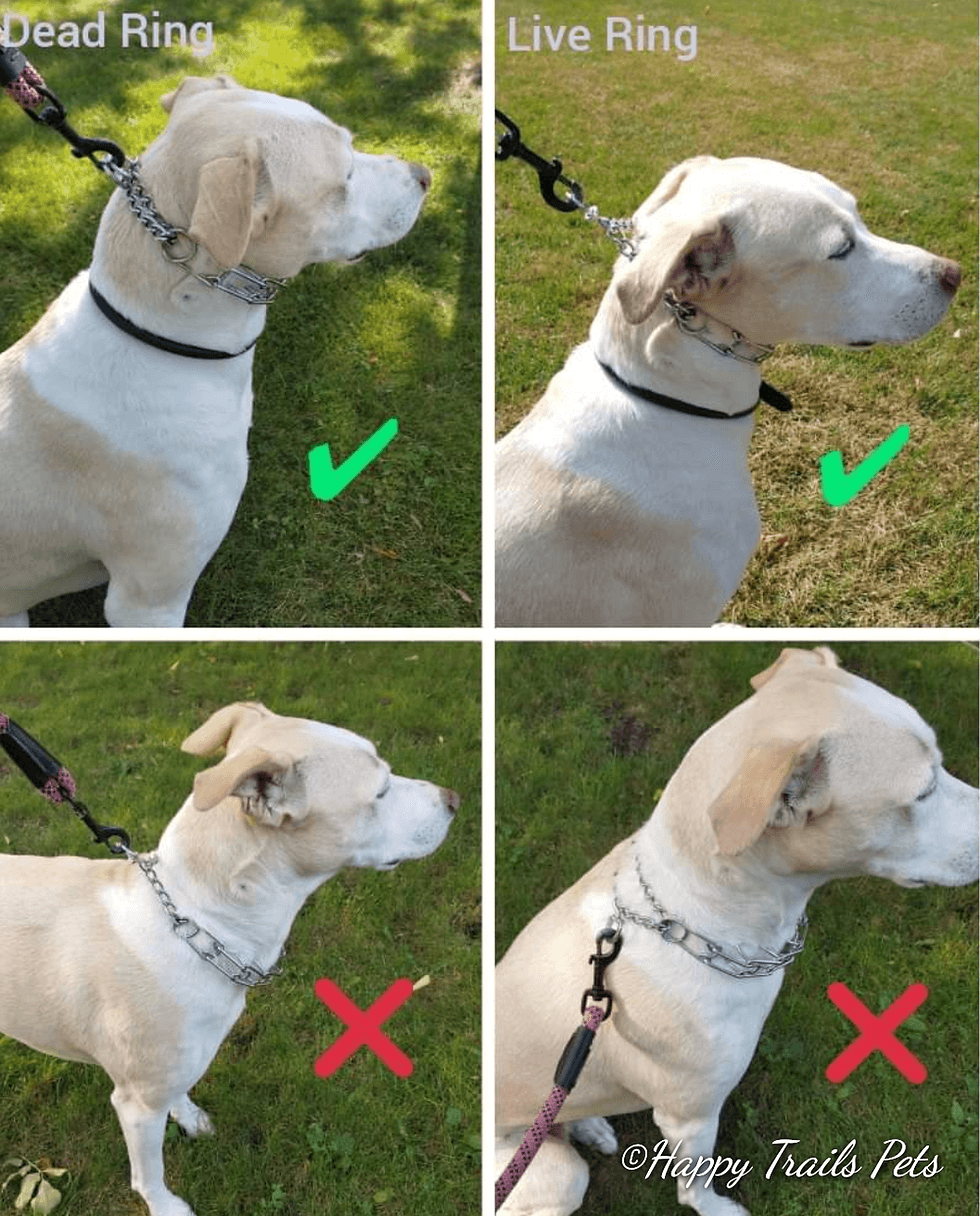
A prong collar should sit high on the dog’s neck, just behind the ears, and snug against the skin. There should be no slack; the collar should not be able to rotate around the dog’s neck. When the leash is taut, the prongs should make contact with the dog’s skin. A general rule of thumb is that you should be able to fit two fingers comfortably between the collar and your dog’s neck when it’s properly fitted.
Introducing the Collar Gradually
Never just slap a prong collar on your dog and expect miracles. A gradual introduction is essential to prevent fear or anxiety.
- Familiarization: Let your dog wear the collar for short periods while you are present and supervising. Offer treats and praise to create positive associations.
- Leash Attachment: Once your dog is comfortable, attach the leash. Keep initial sessions short and positive, focusing on calm walking in a low-distraction environment.
- Gentle Corrections: When your dog pulls, use a firm but gentle leash correction. The goal is a quick “pop” and release, not a sustained pull. Reward immediately when the dog stops pulling or responds to the cue.
When to Seek Professional Help
While prong collars can be a valuable tool, they are not a one-size-fits-all solution. Certain situations necessitate professional guidance:
- Aggression: If your dog exhibits aggression towards people or other animals, a prong collar should only be used under the direct supervision of a certified professional trainer or veterinary behaviorist. Misuse can exacerbate aggression.
- Fear or Anxiety: For dogs that are already fearful or anxious, the added pressure of a prong collar could potentially increase their stress levels if not introduced and used with extreme care.
- Health Concerns: Dogs with existing neck injuries, respiratory issues, or certain medical conditions should not use prong collars. Always consult your veterinarian if you have any concerns.
- First-Time Owners: If you’re new to dog training or struggling to get results, working with a qualified trainer can ensure you’re using the tool correctly and ethically. They can assess your dog’s specific needs and provide personalized strategies.
Alternatives to Prong Collars
If, after careful consideration, you decide a prong collar isn’t the right fit for your dog or your training philosophy, several effective alternatives exist:
- Front-Clip Harnesses: These harnesses have a leash attachment point on the dog’s chest. When the dog pulls, the harness gently redirects them back towards you, discouraging forward momentum. These are excellent for many dogs and are often recommended for their safety and ease of use. You can explore options like prong collar dog training alternatives to find the best fit.
- Head Halters (e.g., Gentle Leader, Halti): These work similarly to a horse’s halter, guiding the dog’s head. Where the head goes, the body follows. They offer excellent control for strong pullers but require a proper introduction period to ensure the dog accepts the fit.
- Martingale Collars: Also known as greyhound collars, these are designed to prevent dogs from backing out of their collars. They offer a gentle tightening effect but do not have prongs.
- Positive Reinforcement Training: This approach focuses on rewarding desired behaviors rather than punishing unwanted ones. It often involves clicker training, treat-based rewards, and teaching alternative behaviors. While it can take more time and patience, it builds a strong, positive bond between you and your dog. For specific training needs, you might look into dog training collar with spikes but also consider the benefits of positive reinforcement.
Frequently Asked Questions About Prong Collars
Q1: Are prong collars cruel?
A1: When used correctly and humanely, prong collars are not considered cruel by many professional trainers. The correction is a brief, momentary pressure that serves as a communication cue, not punishment. However, misuse or improper fitting can lead to discomfort or injury.
Q2: How long should my dog wear a prong collar?
A2: A prong collar should only be worn during training sessions where it’s actively being used for leash control or behavior modification. It should not be worn as a permanent fixture or left on unsupervised.
Q3: What age is appropriate for starting prong collar training?
A3: Generally, prong collars are recommended for dogs once they have reached physical maturity, typically around 6-9 months of age or older, and when their pulling becomes a significant issue. Puppies should not use prong collars.
Q4: Can a prong collar damage my dog’s trachea?
A4: If fitted and used correctly, the pressure is distributed around the neck and is not focused directly on the trachea. However, excessive force, sustained pulling, or a poor fit can potentially cause harm. Always prioritize gentle corrections and ensure the collar is placed correctly, high on the neck. If you’re concerned about your dog’s trachea, consulting with a vet about training options is advisable.
Q5: What’s the difference between a prong collar and a choke chain?
A5: While both are correction collars, a choke chain tightens continuously as the dog pulls, potentially restricting airflow and posing a greater risk of tracheal damage. A prong collar’s design limits the tightening and the prongs provide a specific point of contact for the correction.
Conclusion: Making an Informed Choice for Your Dog
The “dog training prong collar” is a tool that, like any other, has its place and its limitations. It can be a highly effective aid for specific training challenges, particularly severe leash pulling, when used with knowledge, precision, and a focus on the dog’s well-being. However, it’s not a substitute for consistent training, positive reinforcement, and understanding your dog’s individual needs.
Before opting for a prong collar, thoroughly research its use, understand the importance of proper fitting and introduction, and consider working with a professional trainer. Explore all available options, including harnesses and head halters, to find the method that best suits your dog’s temperament and your training goals. Ultimately, the most successful training stems from a foundation of trust, communication, and a deep understanding of the unique story your dog has to tell.
