
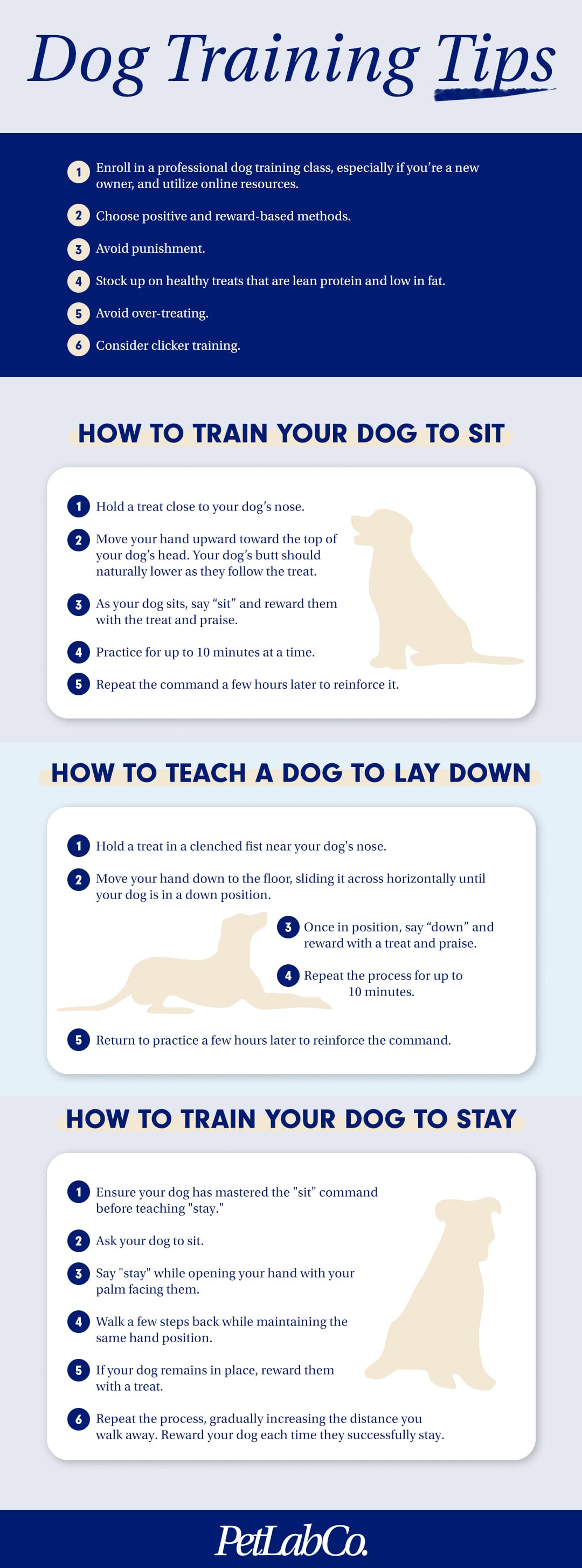
Embarking on the journey of dog ownership is an incredibly rewarding experience, filled with wagging tails, sloppy kisses, and unwavering loyalty. However, it also comes with its set of challenges, chief among them being effective dog training. In today’s fast-paced world, finding the time for traditional, in-person training classes can be a hurdle for many. This is where online dog training steps in, offering a flexible, accessible, and often highly effective solution for shaping your canine companion into a well-behaved and happy member of your family. Whether you’re dealing with a new puppy or tackling behavioral issues with an older dog, the virtual realm offers a wealth of resources to guide you.
The Rise of Online Dog Training
The digital age has revolutionized how we learn and interact, and dog training is no exception. Online dog training platforms have surged in popularity, providing dog owners with unprecedented access to expert advice, structured courses, and supportive communities, all from the comfort of their own homes. This shift is driven by several key factors: convenience, cost-effectiveness, and the ability to learn at your own pace. It democratizes access to quality training, breaking down geographical barriers and time constraints that once limited many owners.
Why Choose Online Dog Training?
- Unmatched Convenience: Train your dog on your schedule, whether it’s during your lunch break, after dinner, or on a lazy Sunday morning. No more commuting to classes or rushing to make appointments.
- Cost-Effectiveness: Online courses are often significantly more affordable than in-person training, saving you money without compromising on quality. Many platforms also offer free resources to get you started.
- Learn at Your Own Pace: Dogs learn differently, and so do their owners. Online training allows you to revisit lessons as many times as needed, ensuring both you and your dog truly grasp the concepts before moving on.
- Access to Top Experts: The internet connects you with world-class trainers and behaviorists, regardless of your location. You can learn from the best in the field.
- Tailored Solutions: Many online programs offer specialized courses for specific breeds, age groups, or behavioral issues, allowing you to find the perfect fit for your dog’s needs.
- Consistency: The ability to rewatch lessons and practice in a familiar environment helps reinforce training commands and build a consistent understanding between you and your dog.
Understanding Search Intent for “Dog Training Online”
When someone searches for “dog training online,” their intent is usually to find resources that can help them teach their dog new behaviors or address existing issues. This search can encompass a wide range of needs:
- Beginner Puppy Training: New owners looking for foundational commands like “sit,” “stay,” and “potty training.”
- Basic Obedience: Owners of adolescent or adult dogs seeking to reinforce or establish core obedience skills.
- Behavioral Problem Solving: Individuals struggling with issues like excessive barking, separation anxiety, leash reactivity, or aggression.
- Advanced Training: Owners interested in activities like agility, scent work, or service dog training.
- Specific Training Methods: People looking for training based on positive reinforcement, clicker training, or other specific methodologies.
The helpful content update by Google emphasizes satisfying these user needs directly. Therefore, a comprehensive article on online dog training must address these various intents with clear, actionable, and expert-driven information.
Types of Online Dog Training Programs
The online dog training landscape is diverse, offering various formats to suit different learning styles and needs.
1. Pre-recorded Video Courses
These are the most common. You purchase access to a library of video lessons covering a wide range of topics. You can watch them anytime, anywhere, and rewatch them as needed. Many comprehensive courses, like an online dog training course, cover everything from puppy basics to advanced behavior modification.
2. Live Online Classes and Webinars
Some platforms offer live, interactive sessions where you can train alongside your dog in real-time with an instructor. This format provides immediate feedback and the opportunity to ask questions directly. These are often more specialized, focusing on a particular skill or issue.
3. One-on-One Virtual Consultations
For highly specific issues or personalized guidance, many trainers offer individual video calls. This allows for a tailored approach based on your dog’s unique behavior and your training goals.
4. Membership Sites and Community Forums
Many online training providers offer subscription-based access to a wealth of resources, including articles, videos, Q&A sessions, and active community forums. These communities are invaluable for sharing experiences and getting support from fellow dog owners. Platforms offering free online dog training often start with basic resources and may offer premium content through a membership.
5. Mobile Apps
Several apps provide bite-sized training lessons, tracking tools, and quick tips accessible directly from your smartphone. These are great for on-the-go reinforcement and short training sessions.
Getting Started with Online Dog Training
Choosing the right online dog training program is crucial for success. Here’s a step-by-step approach:
Step 1: Define Your Goals
What do you want to achieve? Are you training a new puppy, addressing a specific behavior, or aiming for advanced obedience? Clearly defining your goals will help you narrow down your options. For example, if you’re focused on professional aspirations, a free online dog training certification might be a starting point, but for practical home training, a broader course is usually better.
Step 2: Research Trainers and Platforms
Look for reputable trainers with credentials, positive reviews, and a training philosophy that aligns with yours. Consider the platform’s user interface, the quality of their video and audio, and the depth of their content. Many programs offer free introductory modules or trial periods, allowing you to sample their approach.
Step 3: Understand the Training Methodology
Ensure the program uses humane and positive reinforcement-based methods. Force-based techniques can be detrimental to your dog’s well-being and your relationship. Look for trainers who emphasize building trust and clear communication.
Step 4: Consider the Support System
Does the program offer support beyond just videos? Look for options like Q&A forums, email support, or live sessions. A good support system is vital when you encounter challenges. Programs like an online service dog training course often have robust support systems due to the complexity involved.
Step 5: Evaluate the Curriculum
A comprehensive curriculum should cover essential obedience commands, socialization, house-training, and common behavior problems. Some advanced courses might also touch upon specific activities or mental enrichment.
Key Training Areas Covered Online
Online courses typically address a broad spectrum of training needs. Here are some fundamental areas:
Basic Obedience Commands
- Sit: A foundational command that teaches impulse control.
- Stay: Essential for safety and establishing boundaries.
- Come (Recall): Potentially life-saving, this command ensures your dog returns to you when called.
- Down: A calming command that can help dogs relax.
- Leave It: Crucial for preventing your dog from picking up dangerous items.
- Loose-Leash Walking: Teaching your dog to walk politely beside you without pulling.
House Training
This involves teaching your puppy or dog to eliminate outdoors. Online resources often provide detailed schedules and techniques for success, including crate training and how to handle accidents.
Socialization
Crucial for puppies, socialization involves exposing them to various sights, sounds, people, and other animals in a positive way. Online courses can guide you on how to safely and effectively socialize your puppy, especially in environments where exposure might be limited.
Addressing Common Behavioral Issues
- Barking: Understanding the cause and implementing strategies to reduce excessive barking.
- Jumping: Teaching dogs to greet people politely.
- Chewing: Redirecting destructive chewing behaviors to appropriate outlets.
- Separation Anxiety: Techniques to help dogs cope with being alone. This often requires a gradual approach, and resources on long line dog training can sometimes be incorporated to provide a sense of security within a designated space.
Making the Most of Your Online Training Experience
Success in online dog training hinges on your commitment and consistency.
- Consistency is Key: Practice commands daily, even for short periods. Ensure all household members are using the same cues and rewards.
- Positive Reinforcement: Use rewards like treats, praise, and toys to motivate your dog. Make training fun and engaging.
- Short, Frequent Sessions: Dogs, especially puppies, have short attention spans. Aim for multiple short training sessions (5-10 minutes) throughout the day rather than one long one.
- Manage the Environment: Set up your home to prevent unwanted behaviors and set your dog up for success. This might involve using gates, crates, or baby-proofing.
- Be Patient: Every dog learns at their own pace. Celebrate small victories and don’t get discouraged by setbacks.
- Seek Help When Needed: Don’t hesitate to utilize the support resources offered by your online program if you encounter difficulties.
Expert Insights: The Power of Positive Reinforcement
Dr. Evelyn Reed, a renowned canine behaviorist, emphasizes, “Positive reinforcement isn’t just about rewarding good behavior; it’s about building a strong, trusting relationship with your dog. When dogs understand that good things happen when they offer a desired behavior, they are more likely to repeat it. This creates a positive feedback loop that benefits both the dog and the owner, making the training process enjoyable and sustainable.” This approach is central to most effective online dog training programs.
Conclusion: A Brighter Future for You and Your Dog
Online dog training has transformed the landscape of canine education, making expert guidance accessible to everyone. By choosing the right program and committing to consistent, positive training methods, you can build a deeper bond with your dog, resolve behavioral issues, and unlock their full potential. Whether you’re looking for foundational puppy lessons or specialized techniques, the internet offers a powerful and convenient solution. Embrace the opportunity to learn and grow with your canine companion, creating a harmonious and joyful life together. The journey of “dog training online” is one of partnership, understanding, and shared success.
