
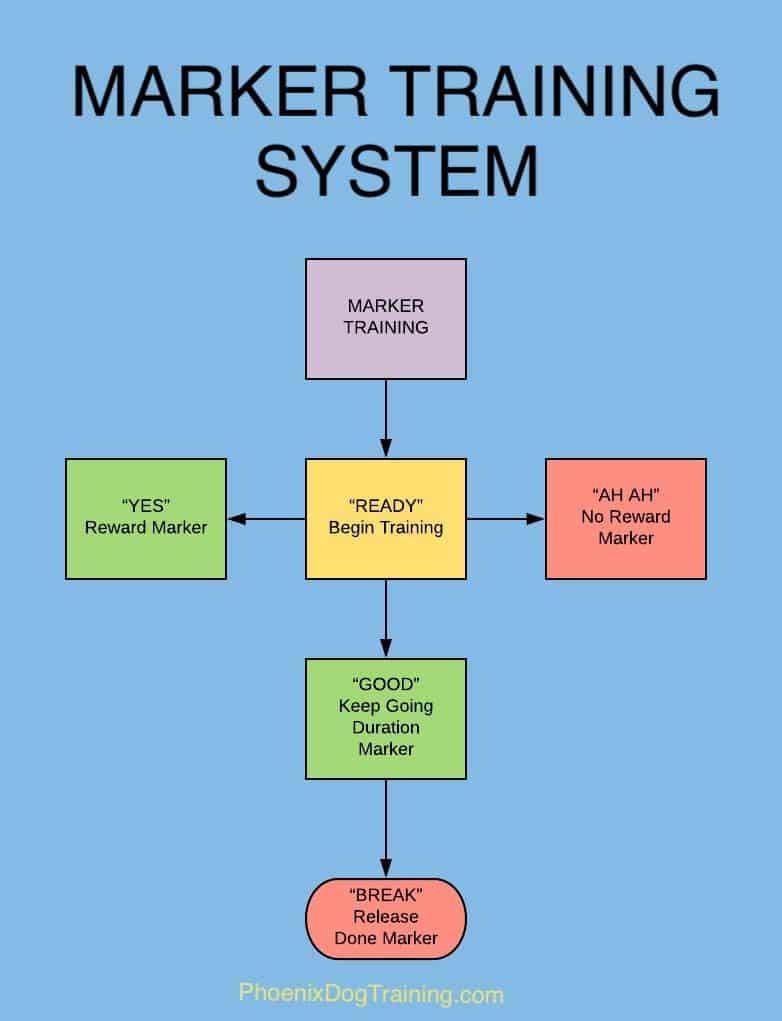
Effective communication is the cornerstone of any strong bond, and for dog owners, this is especially true. When training your canine companion, using the right signals at the right time can make all the difference between a confused pup and a well-behaved dog. This is where “Dog Training Marker Words” come into play. These are short, distinct verbal cues that signal to your dog the exact moment they performed the desired behavior and that a reward is coming. Think of them as a precise “yes!” that bridges the gap between their action and your treat.
At Dog Care Story, we believe in empowering owners with the knowledge to build a deeper connection with their dogs. Understanding and implementing marker words is a fundamental step in creating a clear and consistent training language. This approach not only speeds up the learning process but also makes training more enjoyable for both you and your furry friend.
What Exactly Are Dog Training Marker Words?
At their core, dog training marker words are auditory signals used to mark a specific behavior. The most common marker word used in positive reinforcement training is “yes,” but many trainers also use clickers, which provide a very distinct and consistent sound. The marker word or sound’s purpose is to pinpoint the exact instant the dog does something right, and it’s immediately followed by a reward (like a treat, praise, or a favorite toy).
The “why” behind marker words is rooted in timing. Dogs live in the moment, and for them to associate a behavior with a reward, that reward needs to come immediately after the behavior. If you wait even a few seconds to deliver a treat, your dog might think they’re being rewarded for something else entirely – perhaps for looking at you, for sitting down a second later, or even for the act of you reaching for the treat bag. A marker word, delivered the instant the behavior occurs, closes this timing gap.
The Science Behind the Sound
This method is a direct application of operant conditioning, specifically positive reinforcement. When a behavior is immediately followed by a positive consequence (the reward), the likelihood of that behavior occurring again increases. The marker word acts as a bridge, delivering information about the preceding action before the reward is given. It tells the dog, “That exact thing you just did? That’s what earned you this good stuff!” This clarity helps dogs learn faster and more reliably than simply delivering a treat without a specific marker.
Why Use Marker Words in Dog Training?
The benefits of incorporating marker words into your dog training routine are substantial and can transform your training sessions. They offer a level of precision and clarity that is hard to achieve otherwise.
Precision and Clarity
As mentioned, timing is everything in dog training. A marker word allows you to be incredibly precise. You can mark the exact moment your dog’s rear end hits the floor for a “sit,” or the precise second they make eye contact for a “look at me” command. This precision prevents confusion and helps your dog understand precisely what behavior is being reinforced.
Speeding Up the Learning Process
Because dogs learn what behavior earned them the reward so quickly, they tend to grasp new commands and concepts much faster when marker words are used. The clear signal and immediate reward create a strong association, accelerating their learning curve.
Building a Stronger Bond
Consistent and clear communication fosters trust and understanding. When your dog consistently understands what you want and is rewarded for it, they become more confident and eager to please. This positive feedback loop strengthens the human-animal bond, making training a collaborative and enjoyable experience rather than a frustrating one.
Versatility Across Training Methods
Marker words are not limited to one type of training. While they are a staple in positive reinforcement and clicker training, they can be adapted to various training philosophies. The key is that they provide a clear signal of positive reinforcement.
Choosing Your Marker Word
While “yes” is a popular and effective choice, you can select another word or sound. The most important factors are that it’s:
- Short and Distinct: Easy for your dog to distinguish from everyday conversation.
- Consistent: Always use the same word.
- Positive: It should be delivered in a positive, encouraging tone.
Some trainers opt for words like “good,” “true,” or “click,” but “yes” is generally recommended because it’s a common word that, when paired with a reward, can quickly become a loaded signal for your dog.
How to “Charge” Your Marker Word
Before you can use your marker word effectively in training, you need to teach your dog what it means. This process is called “charging” the marker. It involves pairing the word with a positive outcome repeatedly, so the word itself begins to predict the reward.
The Charging Process: Step-by-Step
- Gather Rewards: Have a handful of high-value treats ready – small, soft, and delicious pieces that your dog loves.
- Say the Word: In a normal, conversational tone, say your chosen marker word (e.g., “yes”).
- Deliver the Reward: The instant you finish saying the word, give your dog a treat.
- Repeat: Do this 10-15 times in a short session. Don’t ask for any behaviors. Just say the word, then give the treat.
- Short Sessions: Conduct these charging sessions several times a day for a few days. Keep them short and fun.
After a few days of this, your dog will start to associate the marker word with getting a treat. You’ll see their ears perk up, or they might even look at you expectantly when they hear the word, even before the treat appears. This indicates the marker word has been “charged.”
Integrating Marker Words into Training Commands
Once your marker word is charged, you can start using it to reinforce specific behaviors as you teach commands. The general sequence is: Behavior → Marker Word → Reward.
Teaching a “Sit” Command
- Lure the Behavior: Hold a treat near your dog’s nose and move it up and back over their head. As their nose follows the treat, their rear end will naturally lower into a sit.
- Mark the Moment: The instant their rear touches the ground, say your marker word (“yes!”).
- Reward: Immediately give them the treat and praise them.
- Repeat: Practice this several times.
Eventually, you’ll be able to phase out the lure and just use the verbal cue “sit.” Your dog will perform the sit, you’ll mark it, and reward it.
Teaching a “Down” Command
- Lure the Behavior: With your dog in a sit, hold a treat at their nose level and slowly lower it to the ground, then slide it away from them. This encourages them to lie down.
- Mark the Moment: The instant their elbows touch the ground, say your marker word (“yes!”).
- Reward: Give the treat and praise.
- Repeat: Gradually fade the lure, using just the verbal cue “down.”
Teaching a “Come” Command
This is a crucial command for safety. When your dog voluntarily comes to you:
- Mark the Moment: The instant they turn towards you or take a step in your direction, say your marker word (“yes!”).
- Reward: As they get closer, offer enthusiastic praise and a high-value treat when they reach you.
Never punish your dog for not coming immediately when called, especially if they have a history of being punished upon arrival. This can create a negative association with coming to you.
Beyond Basic Commands: Advanced Uses of Marker Words
Marker words aren’t just for teaching simple commands. They are invaluable for shaping complex behaviors, addressing nuisance barking, and even for rehabilitation.
Shaping Complex Behaviors
Shaping involves reinforcing successive approximations of a desired behavior. For example, if you want to teach your dog to ring a bell to go outside:
- First, you might mark and reward them for just looking at the bell.
- Then, for touching the bell with their nose.
- Next, for nudging it with more force.
- Finally, for ringing it clearly enough to activate the mechanism.
This process breaks down a complex task into small, manageable steps, with the marker word guiding the dog through each stage.
Addressing Nuisance Behaviors
Marker words can be used to interrupt unwanted behaviors and redirect your dog. For instance, if your dog is barking excessively at the mail carrier:
- As soon as they bark, use a marker word and immediately redirect their attention to a known command like “sit” or “leave it.”
- Once they comply, mark and reward the desired behavior.
This helps teach them that barking earns them nothing, but listening to you leads to rewards. It’s important to also address the root cause of the barking and work on desensitization.
Common Mistakes to Avoid
Even with the best intentions, trainers can sometimes make mistakes when using marker words. Being aware of these pitfalls can help you steer clear of them.
Inconsistent Timing
This is the most common error. If you’re marking too late, too early, or inconsistently, your dog will become confused. They won’t be able to reliably connect the marker with the correct behavior, which can slow down training significantly. Practice your timing!
Using the Marker Word as a Command
Don’t say “yes” and then immediately give the command. For example, don’t say “Yes, sit!” The marker word should signal that the behavior has already happened.
Overuse or Misuse of the Marker Word
Using the marker word randomly throughout the day without a corresponding reward can dilute its meaning. It should only be used when you are intentionally marking a specific behavior you want to reinforce. Also, avoid using it in an angry or frustrated tone, as this can create a negative association.
Not Rewarding Consistently
Especially in the early stages of charging and teaching new behaviors, consistency in rewards is crucial. If your dog performs the behavior and hears the marker, but no reward follows, they may lose motivation.
When to Fade the Marker Word
As your dog becomes proficient with a command, you can begin to fade the marker word. This doesn’t mean you stop rewarding them entirely, but rather that the marker word is no longer needed for every repetition.
- Gradually Reduce Frequency: Start by marking and rewarding only every other correct response, then every third, and so on.
- Vary Rewards: Instead of a treat every time, use praise, petting, or a quick play session. This keeps the dog engaged and prevents them from only working for treats.
- Focus on Verbal Cue: Once the dog reliably performs the behavior on the verbal cue alone, the marker word becomes less essential for that specific command, though it can still be useful for fine-tuning or reinforcing particularly excellent executions.
However, even when fading, keeping a “jackpot” reward (multiple treats, high-value toy) for an exceptionally good performance can be very effective.
Conclusion: The Power of a Well-Placed “Yes!”
Marker words are a simple yet incredibly powerful tool in a dog owner’s training arsenal. They provide crystal-clear communication, accelerate learning, and help build a stronger, more trusting relationship with your dog. By understanding how to charge your marker and use it with precise timing, you unlock a more effective and rewarding training experience.
At Dog Care Story, we encourage you to embrace the art of clear communication. Practice your timing, be consistent with your rewards, and watch as your dog thrives under your guidance. The journey of dog training marker words is one of patience, precision, and profound connection, leading to a happier, better-behaved companion.
