
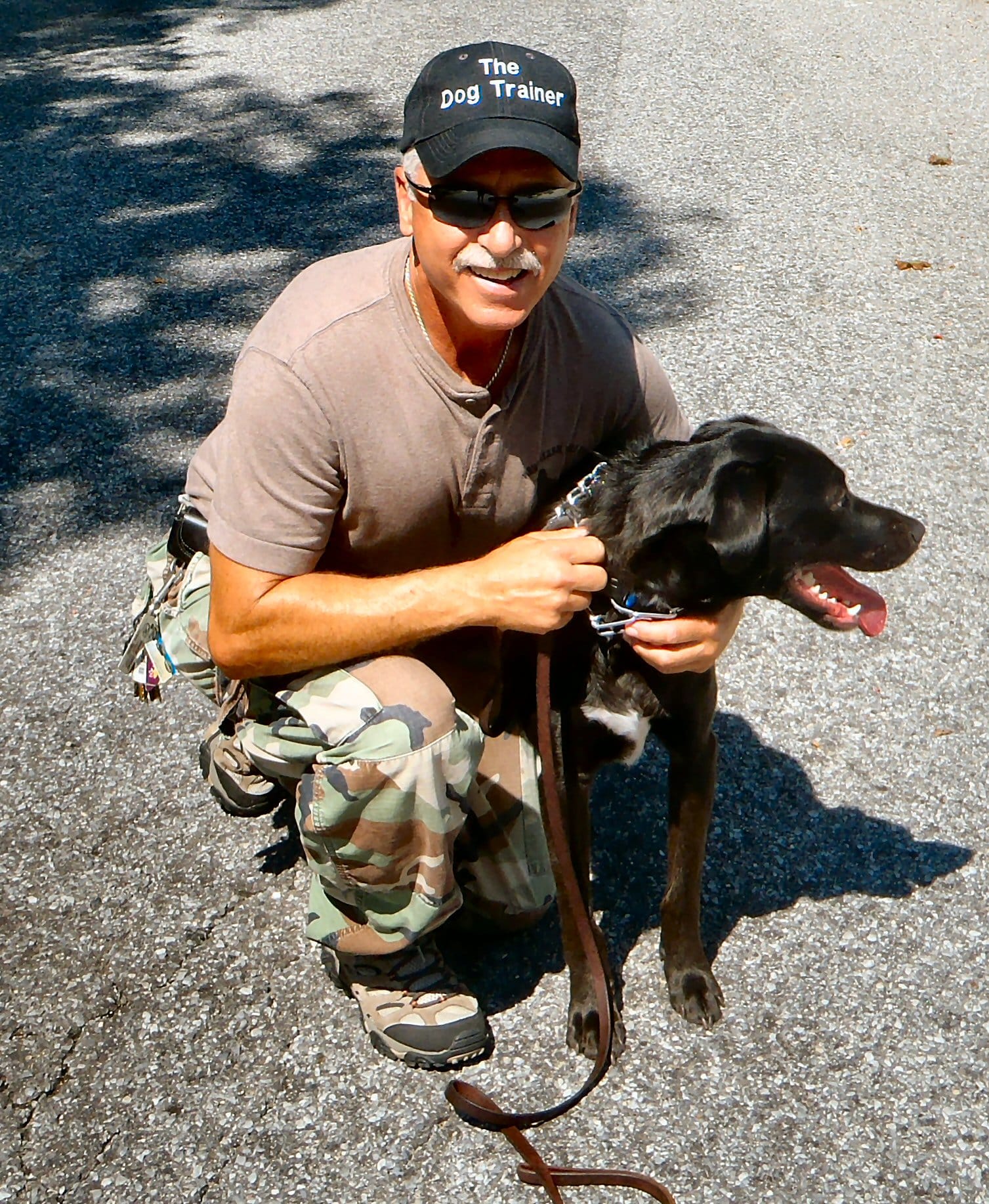
Welcome to the ultimate guide to finding top-notch dog training in Long Island, Suffolk. As passionate dog lovers and advocates for the human-animal bond, we understand that a well-trained dog is a happy dog, and a happy dog makes for a harmonious household. Whether you’re a new puppy parent navigating the exciting (and sometimes chaotic!) world of early training, or you’re looking to address specific behavioral challenges with an older dog, the right professional guidance can make all the difference. Long Island and Suffolk County are home to a wealth of talented trainers, each with their unique approach and expertise, dedicated to helping you and your canine companion thrive.
Understanding Your Dog’s Training Needs
Before diving into specific training options, it’s crucial to understand what your dog needs. Every dog is an individual, with a unique personality, history, and set of challenges.
Puppy Training Essentials
For those with a new furry family member, puppy training is paramount. This foundational period is critical for shaping good behavior and preventing future issues. Key areas typically include:
- Socialization: Exposing your puppy to various sights, sounds, people, and other well-behaved dogs in a positive way. This helps prevent fear-based aggression and anxiety later in life.
- Potty Training: Establishing a consistent routine and positive reinforcement for elimination in the designated area.
- Basic Obedience: Teaching essential commands like “sit,” “stay,” “come,” and “leave it.”
- Leash Training: Getting your puppy comfortable and well-behaved on a leash.
- Bite Inhibition: Teaching puppies to control the pressure of their bites.
Addressing Behavioral Issues
Many owners seek professional help for specific behavioral problems. These can range from mild inconveniences to more serious issues that affect the safety and well-being of the dog and their family. Common concerns include:
- Leash Pulling: Making walks enjoyable and safe for both owner and dog.
- Excessive Barking: Understanding the root cause and teaching a calmer response.
- Jumping Up: Training your dog to greet people politely.
- Chewing and Destructive Behavior: Redirecting natural chewing instincts and providing appropriate outlets.
- Separation Anxiety: Helping dogs feel secure and calm when left alone.
- Aggression: Addressing fear-based or resource-guarding aggression with careful, expert guidance.
Advanced Training and Dog Sports
For owners looking to deepen their connection with their dogs or engage in fun, challenging activities, advanced training and dog sports are excellent options. These can include:
- Agility: Navigating obstacle courses with speed and precision.
- Canine Good Citizen (CGC): A program that rewards dogs who demonstrate good manners at home and in the community.
- Therapy Dog Training: Preparing dogs to provide comfort and support in various settings.
- Trick Training: Teaching fun and impressive behaviors.
Choosing the Right Dog Trainer in Long Island & Suffolk
With so many options, selecting the best dog trainer requires careful consideration. Look for professionals who prioritize humane, science-based methods.
Types of Training Methodologies
- Positive Reinforcement: This is widely considered the most ethical and effective method. It involves rewarding desired behaviors with treats, praise, or toys, making training a positive experience for the dog.
- Balanced Training: This approach may incorporate positive reinforcement along with the use of corrections or aversive tools when necessary. While some trainers use this method, it’s essential to ensure it’s applied humanely and judiciously, with a strong emphasis on positive methods.
- Avoid Aversive-Only Methods: Trainers who rely heavily on force, intimidation, or punishment-based tools (like choke chains, prong collars, or shock collars used punitively) can damage your dog’s trust and create new behavioral problems.
What to Look For in a Professional Trainer
- Certifications: Look for credentials from reputable organizations such as the Certification Council for Professional Dog Trainers (CCPDT), the Karen Pryor Academy (KPA), or the Victoria Stilwell Academy (VSA).
- Experience: How long have they been training? Do they have experience with the specific issues or breeds you’re dealing with?
- Philosophy: Ensure their training philosophy aligns with yours. Are they passionate about building a positive relationship between you and your dog?
- References and Reviews: Check online reviews and ask for references from past clients.
- Consultation: A good trainer will offer an initial consultation (in-person or virtual) to assess your dog’s needs and discuss their training approach.
- Insurance: Professional trainers should carry liability insurance.
Popular Dog Training Options in the Region
Long Island and Suffolk County offer a variety of training formats to suit different needs and schedules.
Group Classes
Group classes are excellent for puppies and basic obedience training. They provide socialization opportunities and allow dogs to learn commands in a distracting environment. Many facilities in Suffolk County offer puppy kindergarten, basic, and intermediate obedience classes.
Private Training Sessions
For personalized attention or to address specific behavioral issues, private sessions are invaluable. A trainer works one-on-one with you and your dog, either in your home or at the training facility. This allows for a tailored training plan. Many trainers across Long Island provide in-home private lessons.
Board and Train Programs
These immersive programs involve your dog staying with the trainer for a set period. They are often used for dogs with significant behavioral challenges or for owners who want intensive training. It’s crucial to choose a reputable board and train facility that maintains high standards of care and transparency.
Day Training Programs
Similar to board and train, but your dog attends the training facility for several hours each day. This offers a good balance between intensive training and your dog remaining at home.
Finding Trainers in Specific Long Island & Suffolk Areas
When searching for “Dog Training Long Island Suffolk,” consider these well-regarded areas and types of facilities:
- Suffolk County: Towns like Huntington, Smithtown, Islip, Brookhaven, and Southampton have numerous reputable dog trainers and training centers. Look for facilities that are easily accessible from your location.
- Nassau County: While your keyword specifies Suffolk, many residents also consider trainers in western Long Island, including areas like Garden City, Oyster Bay, and Hempstead, if convenience dictates.
Local Resources and Recommendations
- Veterinarian Referrals: Your local veterinarian is an excellent source for recommendations. They often work with trusted trainers and can point you toward professionals experienced with specific breeds or behavioral issues.
- Local Dog Parks and Pet Stores: Chatting with other dog owners at local parks or at pet supply stores can provide valuable insights and personal recommendations.
- Online Directories: Websites like the CCPDT’s “Find a Professional” tool or the ASPCA’s Pro training directory can help you find certified trainers in your area.
The “Dog Care Story” Approach to Training
At “Dog Care Story,” we believe that training is more than just teaching commands; it’s about building a deeper understanding and a stronger bond with your dog. Our philosophy centers on:
- Building Trust: Every training session should strengthen the trust between you and your dog.
- Positive Reinforcement: We champion methods that make learning enjoyable and rewarding for dogs.
- Understanding Canine Behavior: We delve into the ‘why’ behind behaviors, enabling owners to manage and modify them effectively.
- Lifelong Learning: Training is an ongoing journey, not a one-time event. We aim to equip owners with the skills and knowledge for a lifetime of happy companionship.
Getting Started with a Professional Trainer
- Define Your Goals: What do you want to achieve with training? Be specific.
- Research Local Options: Use online searches, vet referrals, and local recommendations.
- Schedule Consultations: Talk to a few trainers to find the best fit for your needs and budget.
- Ask Questions: Don’t hesitate to ask about their methods, experience, and success rates.
- Commit to the Process: Training requires patience, consistency, and commitment from you.
Investing in professional dog training is one of the most rewarding decisions you can make for your dog and your family. By choosing the right trainer in Long Island or Suffolk County, you’re setting the stage for a lifetime of happy adventures and a deeper connection with your beloved canine companion.
