
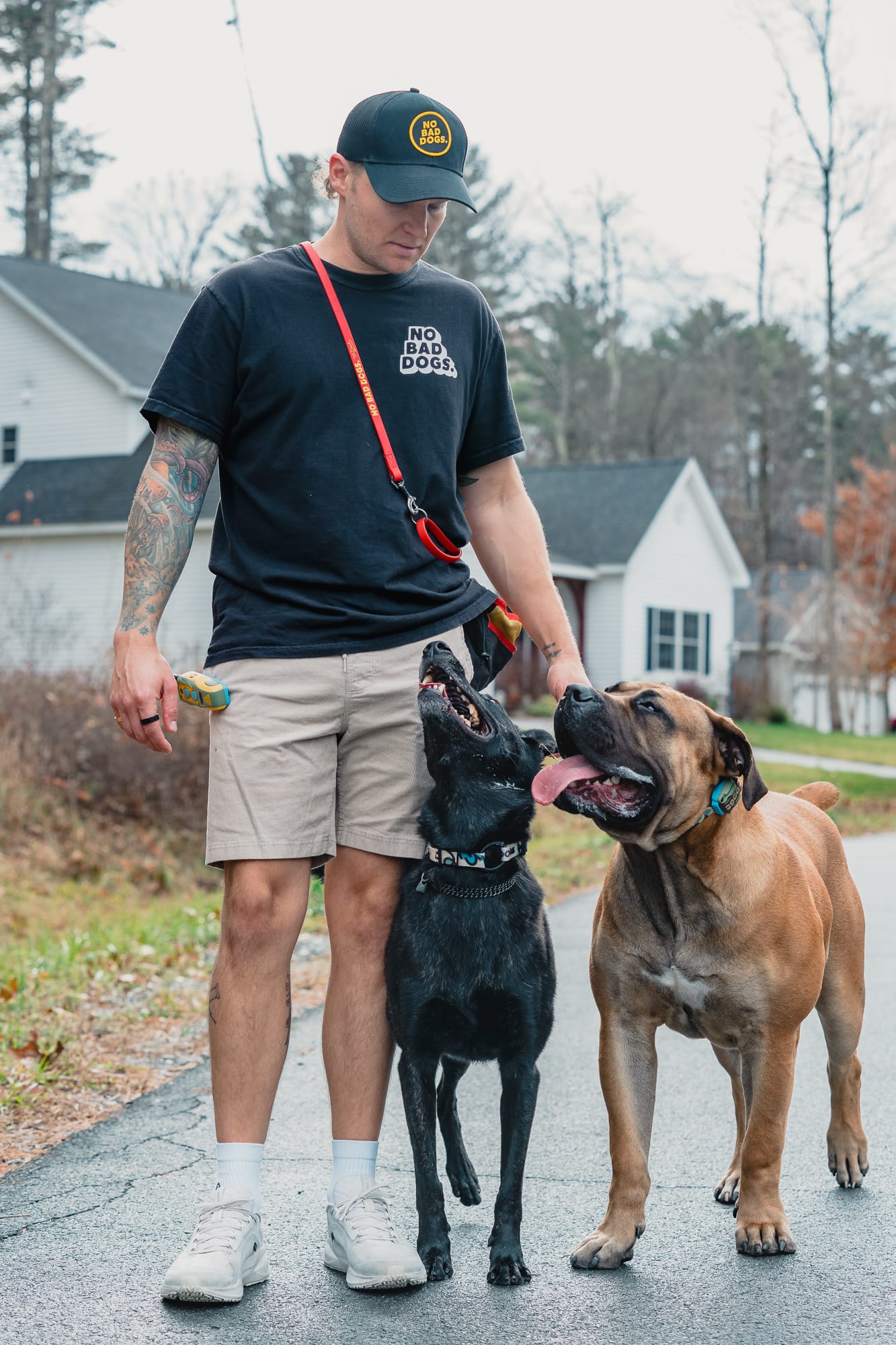
Embarking on the journey of dog ownership is an incredibly rewarding experience, filled with unconditional love and furry companionship. A fundamental aspect of this journey, crucial for both safety and a harmonious relationship, is understanding and correctly using a Dog Training Leash And Collar. This isn’t just about control; it’s about communication, building trust, and ensuring your canine friend explores the world confidently and securely. Whether you’re a seasoned dog parent or welcoming your first pup, mastering the art of the leash and collar is key to unlocking your dog’s full potential and strengthening your bond.
The Essential Duo: Understanding Leashes and Collars
Before we dive into training techniques, let’s get acquainted with the primary tools: the leash and the collar. Each plays a vital role, and choosing the right type can make a significant difference in your training success and your dog’s comfort.
Types of Collars
Collars are designed to fit around your dog’s neck, providing a point of attachment for the leash and a way to carry identification tags. Here are some common types:
- Flat Collars: These are the most basic and widely used. Made from nylon, leather, or fabric, they are comfortable for everyday wear and suitable for dogs who don’t pull excessively. They come in various widths and designs.
- Martingale Collars: Also known as greyhound collars, these are designed with a loop that tightens slightly when the dog pulls, preventing them from slipping out. They are particularly useful for sighthounds and dogs with narrow heads.
- Head Halters: These fit over a dog’s muzzle and behind their ears, offering control by redirecting the head. They are excellent for strong pullers, as they work with the dog’s natural turning instinct. Brands like Gentle Leader and Halti are popular examples.
- Front-Clip Harnesses: While not a collar, a front-clip harness attaches the leash to a ring on the dog’s chest. This discourages pulling by redirecting the dog back towards you when they lurch forward.
- Back-Clip Harnesses: With the leash attaching to a ring on the dog’s back, these are comfortable for the dog and distribute pressure evenly. They are good for dogs who don’t pull much or for dogs with respiratory issues.
Types of Leashes
The leash is your primary communication tool during walks and training sessions. The material, length, and design all influence its effectiveness.
- Standard Leashes: Typically made of nylon or leather, these come in various lengths, with 4 to 6 feet being the most common for training. They offer a good balance of control and freedom.
- Retractable Leashes: These allow the dog a longer range of motion, with a mechanism that winds and unwinds the leash. While they offer freedom, they can be problematic for training, as they provide inconsistent tension and can be dangerous if not used carefully.
- Bait Leashes: Often used by trainers, these leashes have an extra loop or handle near the collar for closer control, ideal for intensive dog training collar and leash work.
- Hands-Free Leashes: These are designed to be worn around the waist or over the shoulder, freeing up your hands for other tasks, like training or managing multiple dogs.
The Foundation: Proper Fit and Introduction
The success of any training, especially with a dog training leash and collar, hinges on proper fit and a positive introduction to the equipment.
Ensuring a Proper Fit
A poorly fitting collar can be uncomfortable, ineffective, and even dangerous. Here’s how to ensure a good fit:
- The Two-Finger Rule: You should be able to comfortably slide two fingers between the collar and your dog’s neck.
- Collar Position: The collar should rest high on the dog’s neck, just below the jawbone. This is the most sensitive area and where the leash applies pressure most effectively for training.
- Check Regularly: As puppies grow or if your dog gains or loses weight, ensure the collar still fits correctly.
Introducing the Leash and Collar Positively
Don’t just clip on a leash and expect your dog to love it. Make it a positive experience:
- Familiarization: Let your dog wear the collar for short periods indoors without the leash. Offer treats and praise to create positive associations.
- Leash Association: Once comfortable with the collar, let the leash drag around the house (supervised) while you give treats and play. This helps them get used to the feeling of something attached to them.
- First Leash Walks: Start with short, relaxed walks in a quiet area. Keep the leash loose and reward calm behavior. If your dog resists, don’t force them; take a break and try again later.
Essential Dog Training Techniques with Leash and Collar
With the right gear and a positive introduction, you’re ready to implement effective training techniques. Remember, consistency and patience are paramount.
Loose-Leash Walking: The Cornerstone of Training
Teaching your dog to walk politely beside you without pulling is one of the most important skills you can impart. This is where dog training collar and leash techniques are crucial.
- Reward the Loose Leash: As soon as the leash is slack, praise your dog and give them a treat. You want them to understand that a loose leash equals good things.
- Stop When They Pull: If your dog pulls ahead, immediately stop walking. Wait until the leash slackens (they might look back at you or stop pulling), then resume walking. This teaches them that pulling stops the fun.
- Change Direction: If they continue to pull, change direction. Turn around and walk the other way. This makes them pay more attention to your movements.
- Consistent Practice: Practice in various environments, from quiet parks to busier streets, gradually increasing the distractions.
Basic Obedience Commands
The leash provides a valuable aid in teaching fundamental commands like “sit,” “stay,” and “come.”
- “Sit”: Hold the leash, lure your dog into a sit position with a treat, and say “Sit.” As they sit, give the treat and praise. Gently use the leash to guide them if needed.
- “Stay”: Once they are in a sit or down position, say “Stay” and hold your hand out. Take one step back. If they stay, return, praise, and treat. Gradually increase the distance and duration.
- “Come”: When your dog is a short distance away, kneel down, say their name followed by “Come!” and gently reel them in with the leash if necessary. Reward enthusiastically when they reach you.
Addressing Pulling Behavior
Pulling is a common issue, but with the right approach, it can be resolved.
- Understand the Cause: Dogs pull for various reasons: excitement, eagerness to explore, or because they’ve learned that pulling gets them where they want to go.
- Use the Right Tools: For persistent pullers, a front-clip harness or a head halter can provide better control. However, these are management tools, not replacements for training.
- Positive Reinforcement: Focus on rewarding loose-leash walking rather than solely punishing pulling.
- Consistency is Key: Every walk is a training opportunity. Be consistent with your commands and reactions.
Advanced Training and Safety Tips
As your dog progresses, you might explore more advanced training or encounter specific situations.
Using a Long Line
For more freedom in safe, open areas, a long line (15-30 feet) can be a great tool. It allows your dog to explore further while you maintain control, perfect for practicing recall in a controlled environment.
Managing Distractions
Walks often involve distractions – other dogs, squirrels, people.
- Desensitization: Gradually expose your dog to distractions at a distance where they remain calm. Reward calm behavior.
- Redirection: If your dog becomes fixated, use a treat or a favorite toy to redirect their attention back to you. A gentle tug on the dog training leash and collar can help regain focus.
- “Leave It”: Teach your dog the “leave it” command so they can ignore tempting distractions on cue.
Safety First
- Secure Fit: Always double-check that the collar is secure before heading out.
- ID Tags: Ensure your dog wears a collar with up-to-date identification tags. Consider a GPS tracker for added security.
- Avoid Punishment-Based Tools: While some tools are designed for control, avoid harsh or painful methods. Focus on positive reinforcement and building a trusting relationship. Training tools should enhance communication, not inflict fear or pain.
Conclusion: Building a Stronger Bond Through Training
The dog training leash and collar are more than just accessories; they are vital communication tools that facilitate a deeper connection between you and your dog. By understanding the equipment, introducing it positively, and applying consistent, reward-based training methods, you empower your dog to be well-behaved, confident, and safe. Remember that every walk is an opportunity to strengthen your bond and build a relationship based on mutual trust and understanding. Embrace the training process, celebrate the small victories, and enjoy the journey of exploring the world together with your beloved canine companion.
