
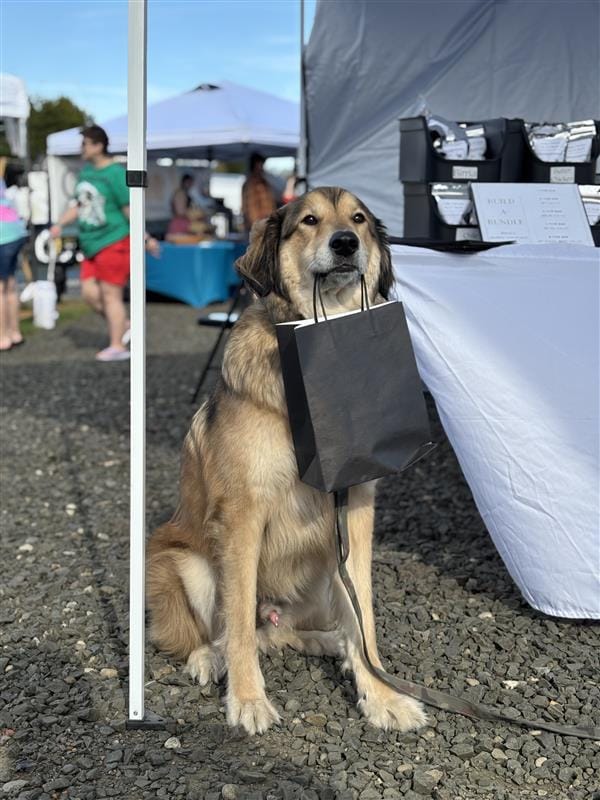
Welcome to the comprehensive guide to dog training in Lacey, WA! Whether you’re a new dog owner or looking to refine your furry friend’s behavior, this article will provide you with insights into effective training methods, local resources, and tips to foster a strong bond with your canine companion. We’ll explore everything from basic obedience to addressing common behavioral challenges, ensuring your dog becomes a well-behaved and happy member of your family.
Understanding Dog Training: The Foundation
Dog training is more than just teaching commands; it’s about communication, building trust, and establishing a clear understanding between you and your dog. The core principles of successful dog training revolve around positive reinforcement, consistency, and patience. Positive reinforcement involves rewarding desired behaviors, making it more likely that your dog will repeat them. This can include treats, praise, or toys. Consistency is key; everyone in the household should use the same commands and rules to avoid confusing your dog. Patience is crucial, as every dog learns at their own pace.
The Science Behind Canine Learning
Dogs learn through association and consequence. Classical conditioning, as demonstrated by Pavlov’s experiments with dogs, shows how dogs can learn to associate a neutral stimulus with an automatic response. Operant conditioning, on the other hand, focuses on how behaviors are influenced by their consequences. Behaviors followed by positive consequences (like rewards) are more likely to be repeated, while those followed by negative consequences (like corrections, though positive methods are preferred) are less likely to occur. Understanding these basic learning principles is fundamental to effective training.
Essential Dog Training Commands
Starting with basic obedience commands is crucial for any dog owner. These commands not only help manage your dog’s behavior but also enhance your safety and strengthen your bond.
“Sit”
The “sit” command is often the first one dogs learn.
- Hold a treat near your dog’s nose.
- Move the treat up and slightly back over their head. As their head follows the treat, their rear end should naturally lower into a sit.
- As they sit, say “Sit” and immediately give them the treat and praise.
- Repeat this several times a day in short, positive sessions.
“Stay”
Once your dog masters “sit,” you can introduce “stay.”
- Ask your dog to sit.
- Say “Stay” and hold your hand up, palm facing your dog.
- Take one step back. If they remain seated, return and reward them.
- Gradually increase the distance and duration you ask them to stay. If they move, gently guide them back to the original spot and try again with a shorter duration or distance.
“Come”
A reliable “come” command is vital for your dog’s safety.
- Start in a quiet, enclosed area.
- Get down on your dog’s level and cheerfully say their name followed by “Come!”
- As they approach, offer enthusiastic praise and a high-value treat.
- Never call your dog to you for something unpleasant, like a bath or nail trim, as this can create a negative association with the command.
“Down”
The “down” command can be useful for calming your dog.
- Ask your dog to sit.
- Hold a treat near their nose and move it down towards the floor and slightly away from them.
- As they follow the treat into a down position, say “Down” and reward them.
Addressing Common Behavioral Challenges
Many dog owners face challenges such as excessive barking, chewing, or leash pulling. Positive training techniques can help manage and resolve these issues.
Barking
Excessive barking can stem from various reasons, including boredom, attention-seeking, fear, or territoriality.
- Identify the trigger: Observe when and why your dog barks.
- Ignore attention-seeking barks: If your dog barks for attention, ignore them until they are quiet for a few moments, then reward the silence.
- Desensitize to triggers: If they bark at sights or sounds, gradually expose them to these triggers at a low intensity while rewarding calm behavior.
- “Quiet” command: Teach a “quiet” command by rewarding moments of silence after barking.
Chewing
Puppies chew to explore their world and relieve teething discomfort. Older dogs may chew due to boredom or anxiety.
- Provide appropriate chew toys: Offer a variety of safe and engaging chew toys.
- “Leave it” command: Teach your dog to leave items alone on command.
- Supervise and redirect: If you catch your dog chewing something inappropriate, calmly take it away and offer an appropriate chew toy instead.
- Exercise and mental stimulation: Ensure your dog gets enough physical activity and mental challenges to prevent boredom-related chewing.
Leash Pulling
Leash pulling often occurs because dogs learn that pulling moves them forward.
- Reward loose-leash walking: When the leash is slack, praise and reward your dog.
- Stop when they pull: If your dog pulls, stop walking. Only resume when the leash slackens.
- Use a front-clip harness: These harnesses can help redirect your dog’s forward momentum when they pull.
- Practice in low-distraction areas: Start training in a quiet environment before moving to busier areas.
Finding Dog Training Resources in Lacey, WA
Lacey, WA, offers various resources to support your dog training journey.
Local Dog Trainers and Classes
Several professional dog trainers and training facilities in and around Lacey provide obedience classes, private sessions, and specialized training programs. Searching online for “dog trainers Lacey WA” or “puppy classes Lacey WA” will yield many options. Look for trainers who use positive reinforcement methods and have good reviews.
Dog Parks and Walking Trails
Lacey boasts several dog parks and beautiful walking trails where your dog can socialize and practice their skills in a controlled, safe environment. These outings are excellent opportunities for practicing commands like “come” and “stay” in a more stimulating setting.
- Woodland Creek Community Park: Offers off-leash areas for dogs to play and exercise.
- Billy Frank Jr. Nisqually National Wildlife Refuge: While dogs must be leashed, it provides scenic trails for enjoyable walks.
Advanced Training and Canine Sports
Once your dog has a solid foundation in basic obedience, you might consider exploring advanced training or canine sports. These activities provide excellent mental and physical stimulation, further strengthening your bond.
Agility
Dog agility involves a dog navigating an obstacle course with their handler. It requires focus, athleticism, and a strong partnership.
Rally Obedience
Rally obedience combines elements of obedience and agility, where dog and handler progress through a course, performing various obedience exercises at designated stations.
Nose Work
This sport mimics how dogs naturally use their sense of smell to locate hidden scents, providing a mentally challenging activity.
The Human-Canine Bond: Beyond Training
Training is a powerful tool for building a strong relationship with your dog, but it’s also about the everyday moments. Spending quality time, understanding their body language, and providing consistent love and care are fundamental. A well-trained dog is not just obedient; they are a confident, happy companion who enriches your life immeasurably.
Understanding Canine Body Language
Learning to read your dog’s body language is as important as any command. A relaxed dog might have a loose body, a gently wagging tail, and soft eyes. Signs of stress or fear can include a tucked tail, flattened ears, lip licking, or whale eye (showing the whites of their eyes). Recognizing these signals helps you understand your dog’s emotional state and respond appropriately, preventing stressful situations.
The Role of Play in Training
Play is not just fun; it’s a critical component of training and bonding. Interactive games like fetch or tug-of-war can reinforce commands, build your dog’s confidence, and provide an outlet for their energy. Ensure play is always positive and ends on a good note, reinforcing your role as a fun and fair leader.
Conclusion: Building a Lifelong Partnership
Training your dog is a rewarding journey that deepens your connection and ensures a harmonious life together. By applying positive reinforcement, seeking out local resources in Lacey, WA, and dedicating time to understanding your dog’s needs, you are well on your way to building a strong, lifelong partnership. Remember, consistency, patience, and love are the cornerstones of successful dog training. Enjoy the adventure with your beloved canine companion!
