
Training your dog is a rewarding journey, and mastering Dog Training Hand Signals can unlock a new level of communication and understanding between you and your canine companion. These silent cues, when used consistently, can be incredibly effective, especially in noisy environments or when your dog is at a distance. Whether you’re teaching basic commands or tackling more advanced behaviors, hand signals are a fundamental tool in any dog owner’s arsenal. This guide will delve into the world of dog training hand signals, explaining their importance, how to introduce them, and a comprehensive list of signals to teach your dog.
The Power of Silent Communication: Why Dog Training Hand Signals Matter
In the realm of dog training, verbal cues are often the first we introduce. However, relying solely on voice commands can have limitations. Hand signals offer a complementary, and sometimes superior, method of communication.
- Clarity and Consistency: Dogs are highly visual creatures. Hand signals provide a clear, unambiguous cue that can be easier for them to distinguish, especially for puppies or dogs prone to distraction. A consistent hand motion paired with a verbal command reinforces the learning process.
- Effectiveness in Distractions: Imagine trying to call your dog at a busy park with lots of exciting smells and sounds. A hand signal, visible from a distance, can cut through the noise and grab your dog’s attention more effectively than a shouted command.
- Aid for Hearing-Impaired Dogs: For dogs with hearing impairments, hand signals are not just supplementary; they are the primary means of communication. Training with hand signals from the outset ensures that all dogs, regardless of their hearing ability, can participate fully in training.
- Subtlety and Politeness: In certain situations, such as dining in a restaurant with your dog or in a quiet public space, using a subtle hand signal is far more discreet and polite than calling out commands.
- Building a Deeper Bond: The process of teaching and learning hand signals requires patience, focus, and mutual understanding. This shared effort strengthens the bond between you and your dog, fostering a deeper connection based on trust and clear communication. To understand more about how this bond is built, exploring basic dog training hand signals can provide valuable insights into the foundational elements.
Introducing Hand Signals: The Right Way to Start
The key to successfully teaching hand signals is to pair them consistently with their verbal counterparts. This simultaneous introduction helps your dog associate the visual cue with the action they already know.
- Choose Clear and Distinct Signals: Select hand motions that are easy for you to perform consistently and easy for your dog to differentiate from everyday gestures. Avoid signals that are too similar to each other, especially when starting.
- Pair with Verbal Cues: When you give the verbal command, immediately follow it with the chosen hand signal. For example, say “Sit,” and then make the “sit” hand signal.
- Reward Immediately: As soon as your dog performs the action after seeing the hand signal (even if they also heard the verbal cue), reward them with praise, a small treat, or a favorite toy.
- Fade the Verbal Cue: Once your dog reliably responds to the paired cue, start to fade the verbal command. Give the hand signal first, wait a moment, and if they respond, reward them. Gradually reduce your reliance on the verbal cue until your dog responds to the hand signal alone.
- Practice in Various Environments: Generalize the signals by practicing in different locations and with varying levels of distraction. This helps ensure your dog understands the signal regardless of the context. For those looking to advance their skills, understanding obedience training akc dog training hand signals can offer structured approaches to mastering these cues.
Essential Dog Training Hand Signals to Teach
Here’s a breakdown of common and essential hand signals, along with how to introduce them. Remember to always pair them with their verbal counterparts initially and reward generously.
1. Sit
- Verbal Cue: “Sit”
- Hand Signal: Hold your hand flat, palm facing up, and move it in a gentle upward motion from your waist towards your chest. Alternatively, point your index finger upwards.
- How to Teach: With your dog standing, say “Sit” and perform the hand signal. As their rear end lowers, reward them.
2. Down
- Verbal Cue: “Down” or “Lama”
- Hand Signal: Hold your hand flat, palm facing down, and move it in a sweeping motion downwards towards the floor.
- How to Teach: With your dog sitting, say “Down” and perform the hand signal. Lure them into a down position if necessary, rewarding them as they lie down.
3. Stay
- Verbal Cue: “Stay”
- Hand Signal: Hold your hand flat, palm facing your dog, like a “stop” sign.
- How to Teach: Ask your dog to sit or down, then give the verbal cue and the hand signal. Take one step back. If they stay, return and reward. Gradually increase the distance and duration.
4. Come / Here
- Verbal Cue: “Come” or “Here”
- Hand Signal: Hold your hand open, palm facing up, and beckon your dog towards you with a curved motion of your arm.
- How to Teach: With your dog a short distance away, say “Come” and perform the beckoning hand signal, excitedly encouraging them to approach. Reward them enthusiastically upon arrival.
5. Good Dog / Yes
- Verbal Cue: “Yes” or “Good Dog”
- Hand Signal: This is often a “marker” signal used to indicate the precise moment the dog did something right. A common marker is a thumbs-up or a clicker sound (if using a clicker).
- How to Teach: Use this immediately when your dog performs the desired action or behavior, followed by a treat.
6. No / Leave It
- Verbal Cue: “No” or “Leave It”
- Hand Signal: A quick, sharp flick of your wrist with your hand closed or an open palm facing the dog, often accompanied by a firm tone.
- How to Teach: When your dog is about to engage in an unwanted behavior or go for something they shouldn’t, give the verbal cue and hand signal. Redirect their attention to something positive.
7. Heel
- Verbal Cue: “Heel”
- Hand Signal: Hold your hand flat, palm facing inwards towards your thigh, near your hip, as you walk.
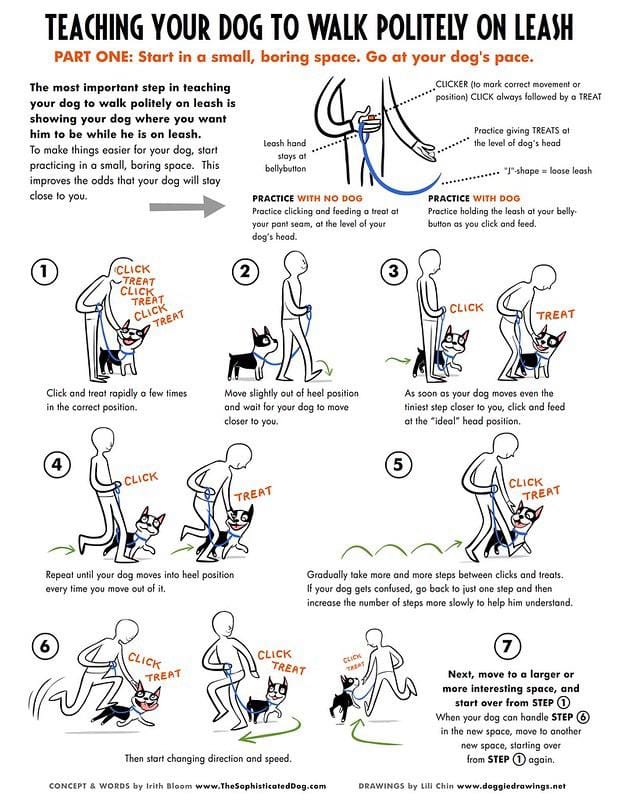
- How to Teach: As you begin to walk, give the verbal cue and perform the hand signal. Reward your dog for staying in the correct heel position beside you.
8. Fetch
- Verbal Cue: “Fetch”
- Hand Signal: Pointing towards the object you want your dog to retrieve.
- How to Teach: Show your dog the toy, say “Fetch,” and point to it. Encourage them to go get it.
9. Drop It / Give
- Verbal Cue: “Drop It” or “Give”
- Hand Signal: Hold your hand out, palm up, with a slight scooping motion.
- How to Teach: When your dog has an item, offer them a treat while giving the verbal cue and hand signal. Reward them for releasing the item.
10. Watch Me / Focus
- Verbal Cue: “Watch Me” or “Focus”
- Hand Signal: Bring your index finger to your own eye, then point it towards your dog.
- How to Teach: When your dog is distracted, use this signal to bring their attention back to you. Reward them for making eye contact.
Training a Deaf Dog: The Importance of Hand Signals
For owners of deaf or hearing-impaired dogs, hand signals are paramount. The entire training repertoire for these dogs relies on visual cues. If you are training a deaf dog, it’s beneficial to start with hand signals from day one, without introducing verbal cues that they cannot perceive. Teaching them signals like “sit,” “down,” “stay,” and “come” using the methods described above will be their primary way of understanding your requests. If you’re embarking on this journey, resources on training a deaf dog hand signals can offer specialized techniques and support.
Advanced Hand Signals and Concepts
Once your dog has a solid grasp of the basic signals, you can explore more advanced techniques and even create your own custom signals for specific behaviors.
- Custom Signals: For unique tricks or commands, invent a distinct hand signal. Consistency is key – use it every single time you ask for that behavior.
- Combining Signals: As your dog progresses, you can start to combine signals or use them in conjunction with other training methods. For instance, using a “stay” signal followed by a “come” signal.
- Hand Signals for Specific Breeds: Some breeds might respond more intuitively to certain types of signals. For example, breeds with strong herding instincts might pick up on pointing gestures quickly. However, the core principles of clear, consistent, and rewarding training apply to all dogs. Understanding akc hand signals for dog training can also provide a standardized set of cues, particularly useful if you plan on participating in AKC-recognized obedience trials.
Troubleshooting Common Issues in Hand Signal Training
Even with the best intentions, you might encounter a few bumps along the road. Here are some common issues and how to address them:
- Dog Isn’t Responding to the Hand Signal:
- Problem: The signal is not clear or distinct enough, or the dog hasn’t fully associated it with the action.
- Solution: Go back to basics. Ensure the signal is consistent and clearly paired with the verbal cue. Practice in a low-distraction environment. Break down the behavior into smaller steps if necessary.
- Dog Responds to Verbal Cue but Not Hand Signal (or vice versa):
- Problem: The association hasn’t been fully made, or the dog has learned to rely on only one cue.
- Solution: Re-introduce the pairing of verbal and hand signals. Ensure you are rewarding equally for responses to either cue. Gradually fade the less-preferred cue.
- Dog Gets Distracted Easily:
- Problem: The training environment is too stimulating, or the dog’s focus isn’t strong enough.
- Solution: Start in a quiet area with minimal distractions. Keep training sessions short and engaging. Use high-value rewards. Gradually introduce distractions as your dog improves. Consider practicing the “Watch Me” signal more frequently.
- Inconsistent Hand Signals:
- Problem: Different family members are using slightly different signals, or you are not performing the signal the same way each time.
- Solution: Establish a clear set of signals for all household members to use. Practice performing the signals yourself to ensure consistency.
Integrating Hand Signals into Daily Life
The real magic happens when hand signals become a seamless part of your daily interactions with your dog.
- Mealtime: Use “Sit” and “Stay” before putting down their food bowl.
- Going Outside: Use “Sit” at the door before opening it to go out.
- Playtime: Use “Fetch” and “Drop It” during games.
- Outings: Utilize “Heel” and “Come” when you’re on walks or in public places.
- Just Because: Practice “Watch Me” randomly throughout the day to keep your dog engaged and reinforce your connection.
Teaching your dog dog obedience commands and hand signals is more than just training; it’s about building a robust communication system that enhances your relationship. By embracing the power of visual cues, you open up new avenues for understanding and cooperation with your beloved canine friend.
Frequently Asked Questions About Dog Training Hand Signals
Q1: How long does it take to teach a dog hand signals?
A1: The time it takes varies greatly depending on the dog’s age, breed, previous training, and the consistency of the owner. Basic signals like “sit” and “down” can often be taught within a few days to a week, while more complex commands or achieving a high level of responsiveness might take several weeks or months.
Q2: Should I use hand signals only, or combine them with verbal cues?
A2: Initially, combining them is highly recommended. This helps your dog make the association between the visual cue and the action they already know from the verbal command. Once they are proficient, you can gradually fade the verbal cue if you wish to rely solely on hand signals.
Q3: What are the most important hand signals to teach?
A3: The most crucial signals include “Sit,” “Down,” “Stay,” “Come,” and a marker signal like “Yes.” These form the foundation for most obedience training and daily management.
Q4: Can I create my own hand signals?
A4: Absolutely! As long as the signals are clear, distinct, and consistently applied by everyone in the household, you can create custom hand signals for any behavior or trick you wish to teach.
Q5: Are hand signals effective for all dogs, regardless of breed or age?
A5: Yes, hand signals are generally effective for all dogs. Dogs are naturally visual learners. While some breeds might pick up certain gestures faster, the core principles of positive reinforcement and consistent training apply universally. This method is particularly vital for deaf dogs.
Conclusion: Enhancing Your Dog’s Understanding with Hand Signals
Incorporating dog training hand signals into your training regimen is a powerful way to deepen your communication and strengthen your bond with your dog. These silent cues offer clarity, versatility, and a unique way to connect, making training more effective and enjoyable for both of you. By consistently practicing and rewarding your dog’s responses, you’ll build a shared language that enriches your life together. Start with the basics, be patient, and celebrate every small success. Your dog is eager to learn, and with the right tools, including these essential hand signals, you can unlock their full potential.
