
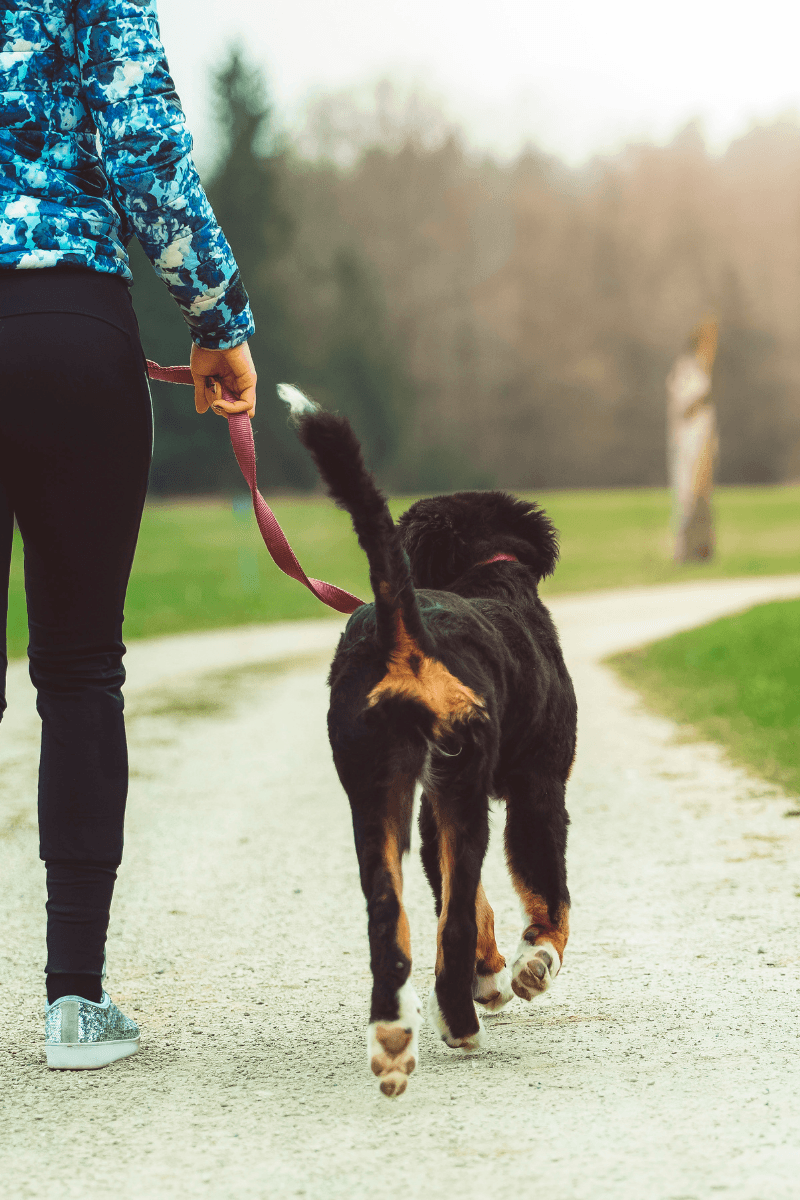
Embarking on the journey of walking your dog is more than just a daily routine; it’s a crucial bonding experience and a vital part of their physical and mental well-being. However, for many dog owners, leash pulling, erratic behavior, and a general lack of control can turn these excursions into a source of frustration. This guide aims to transform your walks into enjoyable, harmonious adventures by delving deep into the art and science of Dog Training For Walking. We’ll cover everything from the foundational principles of leash manners to advanced techniques for overcoming common challenges, ensuring you and your canine companion can explore the world together with confidence and joy.
The Importance of Proper Leash Manners
A well-behaved dog on a leash is not just a pleasure to walk; it’s a sign of a strong owner-dog relationship built on trust and clear communication. Proper dog training for walking ensures safety for your dog, yourself, and others. It prevents accidental escapes, reduces the risk of injuries from sudden lunges, and allows for more relaxed and enjoyable outings. When a dog learns to walk calmly by your side, it signifies that they understand their role within the partnership and respect your guidance. This understanding is the bedrock of a happy and fulfilling life together.
Why Do Dogs Pull on the Leash?
Understanding the root cause of leash pulling is the first step to correcting it. Often, dogs pull because they are excited about the environment, eager to explore, or simply haven’t been taught that walking beside you is the desired behavior. They might also pull out of instinct, especially certain breeds with a strong prey drive or a history of being bred for pulling. In some cases, inconsistent training or a lack of proper tools can inadvertently reinforce pulling behavior.
Safety First: Preventing Escapes and Accidents
The most immediate concern with poor leash manners is safety. A dog that pulls excessively or lunges unexpectedly can easily slip out of a collar or harness, leading to them running into traffic, getting lost, or causing an accident. Investing time in dog training for walking is an investment in your dog’s safety and your peace of mind. Teaching your dog to walk on a loose leash and respond to cues like “heel” or “wait” are essential life skills.
Foundational Training Principles for Walking
Before you even step outside, establishing some basic principles indoors can make a world of difference. Consistency, positive reinforcement, and patience are the cornerstones of effective dog training for walking.
Positive Reinforcement: The Power of Rewards
Positive reinforcement is about rewarding desired behaviors to make them more likely to occur again. When training your dog to walk nicely, this means rewarding them with treats, praise, or a favorite toy whenever they walk calmly by your side or respond to a cue. This creates a positive association with walking and with following your lead.
Consistency is Key
Every member of the household needs to be on the same page. Inconsistent commands or expectations will confuse your dog and hinder progress. Decide on the cues you will use (e.g., “heel,” “let’s go,” “easy”) and stick to them. Ensure everyone who walks the dog uses the same methods and commands.
Patience and Persistence
Training takes time, especially when dealing with ingrained habits. There will be good days and bad days. Celebrate small victories and don’t get discouraged by setbacks. Remember that your dog is learning, and learning is a process.
Essential Gear for Comfortable Walks
The right equipment can significantly aid your dog training for walking efforts. While a standard leash and collar might suffice for some dogs, others benefit from specialized tools.
Choosing the Right Leash
For training, a sturdy, non-retractable leash, typically 4-6 feet long, is recommended. Retractable leashes offer less control and can actually encourage pulling, as the dog learns that pulling extends the leash. A fixed-length leash allows for better communication and control.
Collars vs. Harnesses: What’s Best?
This is a frequently debated topic in dog training for walking.
- Flat Collars: Suitable for dogs that already have good leash manners or for very small breeds. They should fit snugly but comfortably.
- Martingale Collars: Designed to tighten slightly when the dog pulls, preventing escape without choking. They are a good option for sighthounds and dogs with slim heads.
- Front-Clip Harnesses: These are highly recommended for dogs that pull. The leash attaches to a ring on the dog’s chest, redirecting them back towards you when they pull, thus discouraging forward momentum.
- Head Halters (e.g., Gentle Leader): These work like a horse’s halter, fitting around the dog’s muzzle and behind the ears. They offer excellent control by guiding the dog’s head, which in turn guides their body. They require a gentle introduction to ensure the dog accepts wearing them.
The best choice often depends on your dog’s breed, size, temperament, and specific pulling issues. For significant pulling, a front-clip harness or head halter is often the most effective starting point for dog training for walking.
Step-by-Step Guide to Training Loose-Leash Walking
This structured approach focuses on teaching your dog to walk beside you without pulling.
Step 1: Introduce the Gear Indoors
Before heading outdoors, let your dog get accustomed to wearing the chosen collar or harness. Reward them with treats and praise for positive associations. Attach the leash and let them drag it around indoors under supervision, so they get used to the sensation.
Step 2: Teach the “Heel” or “Close” Cue
- With the leash on indoors: Hold a treat near your dog’s nose. As you take a step, lure them to walk with you.
- Reward: The moment they are in the desired position by your side (usually left side), say your chosen cue word (e.g., “Heel”) and give them the treat and praise.
- Practice: Take a few steps, reward, stop, repeat. Gradually increase the number of steps between rewards.
- Short sessions: Keep initial sessions short (5-10 minutes) to avoid overwhelming your dog.
Step 3: Address Pulling by Stopping
This is a fundamental technique in dog training for walking for leash pullers.
- The moment your dog pulls: Stop walking immediately. Stand still like a tree.
- Wait: Do not move forward until the leash slackens. This might happen when your dog looks back at you or by chance.
- Resume walking: As soon as the leash is loose, start walking again.
- Repeat: Be prepared to stop and start many times during a walk. This teaches your dog that pulling makes the walk stop, while a loose leash keeps it moving forward.
Step 4: Reward Loose Leash Moments
Actively look for moments when the leash is loose and your dog is walking nicely beside you.
- Mark the behavior: Use a clicker or a verbal marker like “Yes!” the instant the leash is loose.
- Reward: Immediately follow with a high-value treat.
- Vary rewards: Sometimes a treat, sometimes enthusiastic praise, sometimes a quick game of tug. This keeps them engaged.
Step 5: Introduce Distractions Gradually
Once your dog is reliably walking on a loose leash in a low-distraction environment (like your home or backyard), gradually introduce more challenging situations.
- Start simple: Move to a quiet street.
- Increase difficulty: Progress to slightly busier streets, parks, or areas with other dogs.
- Adjust: If your dog starts pulling excessively in a new environment, go back to basics – stop when they pull, reward slack leash moments. You may need to use higher-value treats in more distracting areas.
Dealing with Common Walking Challenges
Even with consistent training, challenges can arise. Here’s how to tackle them:
Reactivity on Leash (Barking, Lunging at Other Dogs/People)
This is a common issue in dog training for walking. It often stems from fear, frustration, or excitement.
- Identify triggers: Recognize what sets your dog off.
- Increase distance: When you see a trigger (e.g., another dog) approaching, create more distance by crossing the street, turning around, or stepping behind a car.
- Counter-conditioning: When your dog notices a trigger at a distance where they can remain calm, reward them with high-value treats. The goal is for them to associate the trigger with good things.
- Desensitization: Gradually decrease the distance as your dog becomes more comfortable.
- Professional help: For severe reactivity, consult a certified professional dog trainer or veterinary behaviorist.
Zig-zagging and Sniffing Extensively
While sniffing is natural and important for dogs, constant zig-zagging can make walks difficult.
- Allow sniffing periods: Designate certain times or areas for focused sniffing. You can even use a cue like “Go sniff!”
- Redirect: If they zig-zag excessively, use your stop-and-start method or a gentle leash cue to guide them back to your side.
- Enrichment: Ensure your dog is getting enough mental stimulation at home, as boredom can sometimes lead to excessive sniffing or wandering on walks.
Fear or Hesitation Outdoors
Some dogs are fearful of the outdoors, noises, or unfamiliar objects.
- Slow and steady: Don’t force your dog into situations that scare them.
- Positive association: Pair their comfort zone with positive experiences, like treats and calm praise.
- Gradual exposure: Slowly introduce them to new sights and sounds at a distance they can tolerate.
- Build confidence: Engage in simple training games that boost their confidence.
Advanced Training Techniques and Tips
Once your dog has a good grasp of loose-leash walking, you can refine their skills further.
Introducing the “Heel” Command
For a more formal “heel,” where the dog walks precisely by your left side, with their head even with your leg, requires more precise training.
- Start with a lure: Use a treat to guide them into the heel position.
- Add the cue: Say “Heel” as they move into position.
- Reward: Lavish praise and treats for holding the position.
- Fade the lure: Gradually reduce your reliance on the treat lure, using hand signals and verbal cues.
- Practice: This command is particularly useful in environments where precise control is needed, such as walking through crowded areas or near busy roads.
Walking on Different Surfaces and Terrains
Dogs may behave differently on grass, pavement, gravel, or sand. Practice walking on various surfaces to ensure they remain comfortable and responsive.
Incorporating Training into Walks
Use walks as an opportunity for ongoing training. Practice basic obedience cues like “sit,” “stay,” and “come” in different locations. This reinforces their learning and keeps their mind engaged. Remember to carry high-value treats for unexpected training opportunities.
The Lifelong Benefits of Great Walks
Mastering dog training for walking is an ongoing process that yields incredible rewards. It strengthens the bond between you and your dog, improves their physical and mental health, and enhances their overall behavior. A well-trained dog is a happy dog, and confident, relaxed walks are a significant contributor to that happiness.
By applying these principles of positive reinforcement, consistent training, and the right gear, you can transform your daily walks from a chore into a cherished part of your day. Enjoy the journey of discovery with your canine companion, one loose-leash step at a time.
