
Involving your children in training the family dog can be one of the most enriching experiences for everyone involved. More than just teaching a dog to sit or stay, Dog Training For Kids is a powerful tool for fostering responsibility, empathy, and an unbreakable bond between a child and their furry best friend. It transforms a simple pet-owner relationship into a true partnership built on mutual respect and understanding. This guide will walk you through how to make this journey safe, effective, and incredibly fun. For families looking for a well-behaved companion from the start, exploring options like trained dogs for sale ohio can provide a fantastic foundation for your child to build upon.
Why Should Kids Be Involved in Dog Training?
Bringing a child into the training process offers profound benefits that extend far beyond obedience commands. It’s a holistic learning experience that shapes a child’s character while creating a well-behaved canine citizen.
Building an Unbreakable Bond
Shared activities are the cornerstone of any strong relationship. When a child and a dog work together towards a common goal, they learn to communicate and trust one another. This shared effort, filled with positive reinforcement and successful moments, forges a deep, lasting connection that is a joy to witness.
Teaching Responsibility and Patience
Dogs don’t learn overnight. The process requires consistency, repetition, and a calm demeanor. Through training, children learn that their actions directly impact their dog’s behavior. They learn to be patient when a command isn’t grasped immediately and responsible for practicing regularly. These are life skills that will serve them well in all areas of life, from schoolwork to future relationships.
Boosting Confidence and Empathy
Imagine the look on your child’s face the first time their dog successfully follows a command they taught. That sense of accomplishment is a massive confidence booster. Furthermore, to be an effective trainer, a child must learn to see the world from their dog’s perspective. They begin to understand what motivates, scares, or excites their pet, developing a powerful sense of empathy for another living being.
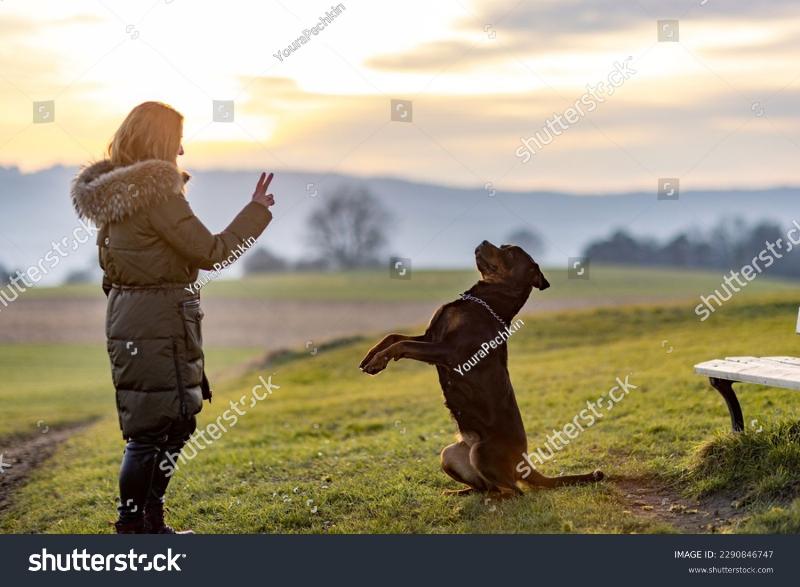 A smiling young girl giving a hand signal to a happy golden labrador sitting on a lush green lawn, illustrating the concept of dog training for kids.
Is It Safe? Setting Up for Success
Safety is, without a doubt, the number one priority. While dog training for kids is immensely beneficial, it must be conducted in a controlled and safe environment. The key is to empower your child with knowledge and ensure you are always present to guide them.
The Golden Rule: Constant Supervision
An adult should always supervise interactions between a child and a dog, especially during the early stages of training and with younger children. This isn’t about micromanaging but about ensuring both parties are safe and comfortable. You can intervene if the dog gets overexcited or if the child becomes frustrated, turning potential problems into teachable moments.
Understanding Dog Body Language
Before a single command is taught, teach your child to read a dog’s cues. Explain what a wagging tail really means (it’s not always happiness!), the difference between a playful growl and a warning growl, and the signs of stress like yawning, lip licking, or showing the whites of the eyes (whale eye). A child who understands canine communication is much safer and more effective as a trainer.
According to Dr. Emily Carter, a specialist in child psychology and animal behavior, “Teaching a child to respect a dog’s personal space and read its body language is the single most important safety lesson. It replaces fear with understanding and builds a foundation of mutual respect.”
Choosing the Right Dog
A dog’s temperament is crucial. For families with children, breeds known for their patience and gentle nature, like Labradors, Golden Retrievers, or Beagles, are often recommended. However, personality is individual. If you’re looking for a professionally assessed companion, searching for trained dogs near me can connect you with animals that have a proven, gentle temperament suitable for a family environment.
What’s the Right Age to Start Dog Training for Kids?
Children can be involved in a dog’s life from a very young age, with tasks scaling up as they mature.
Toddlers and Preschoolers (2-5 years)
At this age, direct training isn’t the goal. Focus on simple, supervised interactions. They can help by:
- Filling the dog’s food bowl (with your help).
- Handing you treats to give to the dog.
- Learning gentle petting and how to respect the dog’s space.
Young Children (6-9 years)
This is a great age to start introducing basic commands with heavy supervision. Their tasks can include:
- Teaching simple cues like “Sit” using a lure (a treat in hand).
- Participating in grooming with a soft brush.
- Tossing a toy for a game of fetch.
Pre-teens and Teenagers (10+ years)
Older children can take on much more responsibility. They can understand the concepts behind training and can be tasked with:
- Teaching more complex commands like “Stay” and “Come.”
- Taking responsibility for daily feeding and walking (with an adult for safety).
- Researching and creating fun new training games or even trying beginner agility in the backyard. The principles of consistency they learn are even more important with multiple pets, a concept similar to what’s covered in dog training for two dogs.
Fun and Easy Commands Kids Can Teach
The key is to start with simple, positive-reinforcement methods. Keep sessions short (5-10 minutes) and always end on a positive note. Here are a few starter commands:
1. Sit
This is often the first command taught because it’s relatively easy for a dog to learn.
- Step 1: Hold a small, high-value treat near your dog’s nose.
- Step 2: Slowly move the treat upwards and back over the dog’s head. Their head will go up and their rear end will naturally go down into a sit.
- Step 3: The moment their bottom touches the floor, say “Yes!” or click your clicker, and give them the treat.
- Step 4: Repeat a few times. Once they are reliably sitting, you can add the verbal cue “Sit” just as they are beginning the motion.
2. Touch (Targeting)
This is a fun command that can be a building block for many other tricks.
- Step 1: Hold your hand out, palm or knuckles facing the dog.
- Step 2: The moment your dog’s nose touches your hand out of curiosity, mark the behavior (“Yes!”) and give them a treat.
- Step 3: Pull your hand away and present it again. Repeat the process.
- Step 4: Once the dog is eagerly booping your hand with their nose, add the verbal cue “Touch!”
3. Paw (or Shake)
This is a classic trick that kids love to show off.
- Step 1: Ask your dog to sit.
- Step 2: Hold a treat in your closed fist and place it near your dog’s paw. Most dogs will naturally paw at a hand that smells like food.
- Step 3: The second their paw touches your hand, mark the behavior and give them the treat from your other hand.
- Step 4: Repeat until they are consistently offering their paw, then add the verbal cue “Paw!”
For certain powerful breeds, consistent training is even more essential. A resource like bull terrier dog training can offer breed-specific insights that complement these general techniques.
What to Avoid: Common Mistakes in Kid-Led Training
To keep the experience positive for everyone, steer clear of these common pitfalls:
- Punishment-Based Methods: Never allow a child to yell at, hit, or physically correct a dog. Training should always be a positive and rewarding experience.
- Long, Boring Sessions: Kids and dogs both have short attention spans. Keep training sessions brief and engaging to prevent frustration.
- Unrealistic Expectations: Remind your child that learning takes time. Celebrate small victories and don’t get discouraged if the dog doesn’t get it right away.
- Ignoring a Dog’s Signals: Teach your child that if the dog walks away, yawns, or seems stressed, it’s time to end the session and give them a break.
For complex behavioral issues or if your family needs more structured guidance, professional help can be invaluable. A dog training and board program can address specific challenges and provide a solid foundation for your family to continue building upon.
Frequently Asked Questions (FAQ)
1. What is the best age for a child to start training a dog?
Children around 6-9 years old can begin teaching basic commands under strict supervision. Younger children can help with simple tasks like filling food bowls, while older kids (10+) can take on more complex training responsibilities.
2. What are the safest dog breeds for kids?
Breeds like Golden Retrievers, Labradors, Beagles, and Poodles are often recommended for their patient and friendly temperaments. However, any dog’s individual personality and training are more important than its breed.
3. How do I keep my child safe during dog training?
Always supervise interactions. Teach your child to understand the dog’s body language and to respect the dog’s space. Ensure all training is done using positive reinforcement methods only.
4. What should I do if my child gets frustrated with the dog?
Intervene immediately and calmly end the training session on a positive note, perhaps with a simple command the dog already knows. Explain to your child that patience is part of the process and that it’s okay to take a break.
5. Can a child really be the dog’s primary trainer?
While a child can be heavily involved, an adult should always be the primary person responsible for the dog’s overall training, care, and well-being. The adult’s role is to guide the child and ensure the dog’s needs are consistently met.
A Journey Worth Taking
Ultimately, dog training for kids is about much more than obedience. It’s a journey of mutual growth that teaches invaluable life lessons in a fun and interactive way. By guiding your child through this process, you are not only helping to shape a well-behaved dog but also a more compassionate, responsible, and confident young person. So grab some treats, call your child and dog, and get ready to start an adventure that will strengthen your entire family’s bond.
