
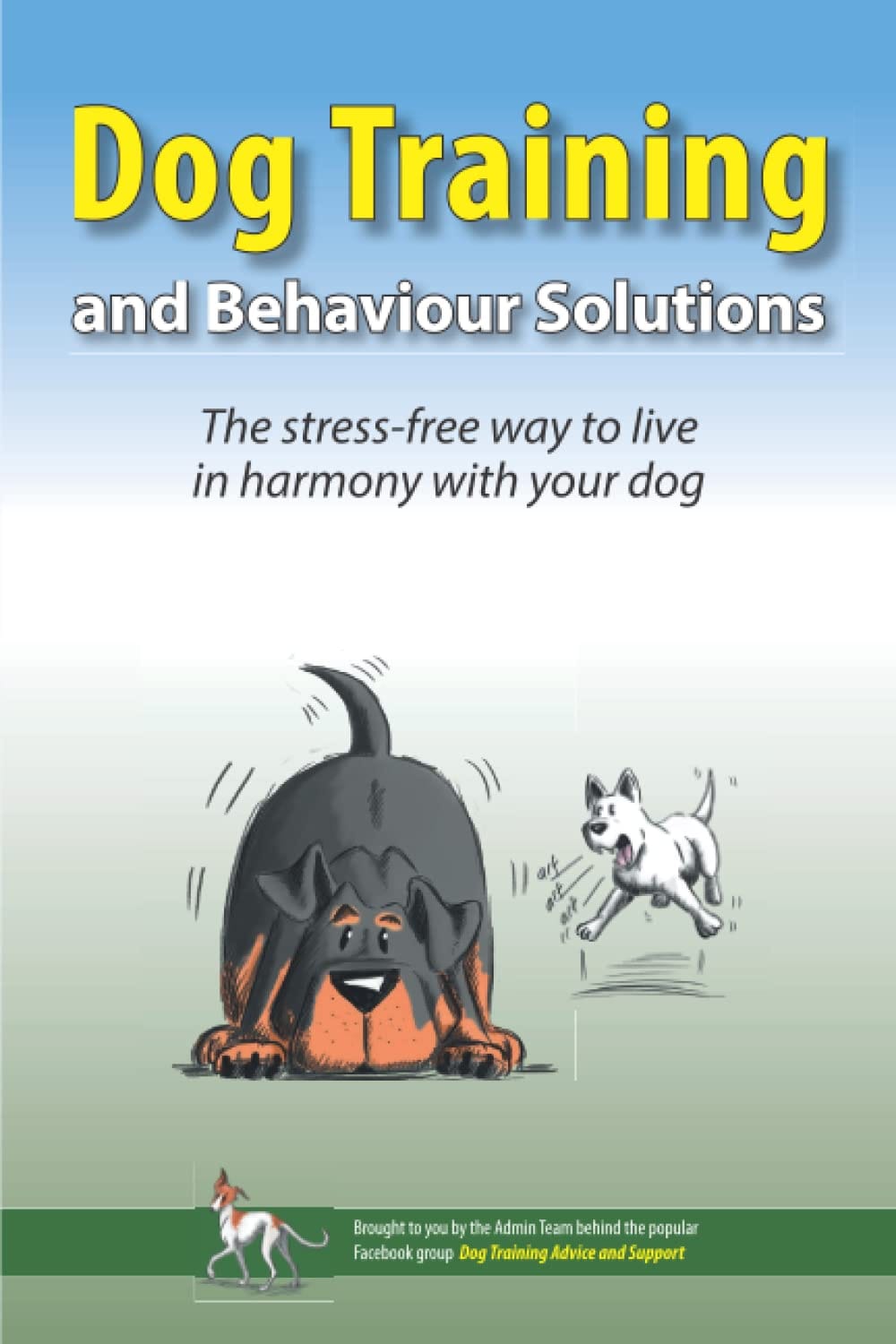
Understanding dog training is more than just teaching commands; it’s about building a communication bridge and a deep, trusting relationship between you and your canine companion. For many, the journey of training their dog is as rewarding as the destination. It’s about understanding their behavior, their needs, and how they perceive the world, which in turn helps us become better ‘human trainers’ for them. The world of dog training encompasses a wide array of techniques, philosophies, and applications, all aimed at fostering a well-behaved dog that is a joy to live with.
The Foundation of Effective Dog Training
At its core, successful dog training relies on consistency, patience, and positive reinforcement. Dogs thrive on clear expectations and predictable outcomes. When a dog understands what behavior is expected and is rewarded for it, they are more likely to repeat it. This positive reinforcement can come in many forms, such as treats, praise, toys, or affection, and is crucial for building a dog’s confidence and eagerness to please. Conversely, harsh corrections or punishment can often lead to fear, anxiety, and aggression, hindering the training process and damaging the human-dog bond.
Understanding Canine Behavior
Before embarking on training, it’s essential to have a basic understanding of canine behavior. Dogs communicate through body language, vocalizations, and scent. Learning to read their signals – a wagging tail doesn’t always mean happiness, a tucked tail can indicate fear, and lip licking can be a sign of stress – is fundamental. Recognizing these cues helps you understand when your dog is confused, stressed, excited, or content, allowing you to adjust your training approach accordingly. This understanding is key to developing effective communication, much like understanding the nuances of training humans for dogs.
Key Principles in Dog Training
Several core principles underpin most effective dog training methodologies.
- Positive Reinforcement: Rewarding desired behaviors immediately after they occur. This makes the behavior more likely to be repeated.
- Consistency: Using the same commands and cues every time, and ensuring all members of the household are on the same page.
- Timing: Rewards or corrections must be delivered within seconds of the behavior to be effective. A delayed reward is meaningless to a dog.
- Clear Communication: Using clear, concise verbal cues and body language that your dog can understand.
- Management: Preventing unwanted behaviors by managing the dog’s environment and ensuring they don’t have opportunities to practice bad habits.
These principles are the bedrock of successful training, regardless of the specific techniques employed.
Common Dog Training Goals and Techniques
The goals of dog training can range from basic house manners to advanced obedience and specialized skills.
Basic Obedience Training
This is the foundation for most dog owners. It typically includes commands like:
- Sit: Teaching your dog to lower its rear to the ground.
- Stay: Instructing your dog to remain in a specific position until released.
- Come: Encouraging your dog to return to you when called – a critical safety command.
- Down: Teaching your dog to lie down.
- Leave It: Preventing your dog from picking up or interacting with unwanted items.
Techniques for teaching these commands often involve luring the dog into position with a treat, followed by the verbal cue, and then rewarding the successful execution.
House Training (Potty Training)
Potty training is often one of the first challenges new dog owners face. The key here is consistency and frequent opportunities. Establishing a regular potty schedule, taking your dog outside after waking up, after meals, and after playtime, significantly increases the chances of success. Accidents are inevitable, but reacting calmly, cleaning them up thoroughly, and reinforcing successful outdoor potty breaks are crucial for effective how do i potty train my dog strategies.
Leash Training
Teaching your dog to walk politely on a leash without pulling is essential for enjoyable walks and maintaining control. This involves rewarding your dog for walking by your side and stopping or changing direction when they pull. Gradually increasing the duration and decreasing the reliance on treats helps solidify the behavior.
Socialization
Proper socialization is vital, especially for puppies, to help them grow into well-adjusted adult dogs. Exposing them to various sights, sounds, people, and other well-behaved dogs in a positive and controlled manner during their critical developmental period helps prevent fear and reactivity later in life.
Advanced Training and Specialized Skills
Beyond basic obedience, many owners pursue advanced training for various reasons:
Agility and Dog Sports
Activities like agility, flyball, or nose work provide excellent physical and mental stimulation for dogs. These sports require close collaboration and communication between dog and handler, strengthening their bond. They often build upon basic obedience commands and require a high level of engagement.
Service and Therapy Dog Training
Service dogs are trained to perform specific tasks for individuals with disabilities, while therapy dogs provide comfort and companionship in settings like hospitals or nursing homes. This type of training is extensive, requiring exceptional temperament, reliability, and advanced obedience skills. Programs like military dogs in training showcase the incredible capabilities dogs can achieve with dedicated, expert training.
Behavioral Modification
For dogs exhibiting challenging behaviors such as aggression, excessive barking, or separation anxiety, professional help is often necessary. Behavioral modification involves identifying the root cause of the behavior and implementing a tailored plan, often using a combination of positive reinforcement and management techniques. Understanding the principles of alpha basic training for dogs and humans can be part of a broader strategy for addressing complex behavioral issues.
Choosing a Training Method
The world of dog training offers various approaches, from traditional dominance-based methods to modern, science-based positive reinforcement. While historically, dominance theory was popular, current understanding of animal behavior and learning science overwhelmingly supports positive, reward-based methods. These methods are not only more humane but also generally more effective in the long run, fostering a stronger, more trusting relationship. Seek out trainers who are certified by reputable organizations and who emphasize positive, force-free techniques, such as those championed by leading experts like those associated with shelby semel dog training.
The Human Element: Becoming a Better Dog Trainer
Ultimately, effective dog training is as much about training the human as it is about training the dog. It requires:
- Patience: Dogs learn at their own pace. Setbacks are normal, and frustration should be managed.
- Observation: Paying close attention to your dog’s body language and responses.
- Adaptability: Being willing to adjust your methods based on your dog’s individual needs and personality.
- Commitment: Training is an ongoing process, not a one-time event. Regular practice and reinforcement are key to maintaining learned behaviors.
Think of it as a continuous conversation. The more effectively you can communicate your expectations and consistently reward desired actions, the more harmonious your life together will be. The rewards of dedicated training extend far beyond a well-behaved pet; they build a profound connection, enrich your daily life, and create a loyal companion for years to come. The story of your dog is, in many ways, the story you help them write through consistent, loving, and effective training.
