
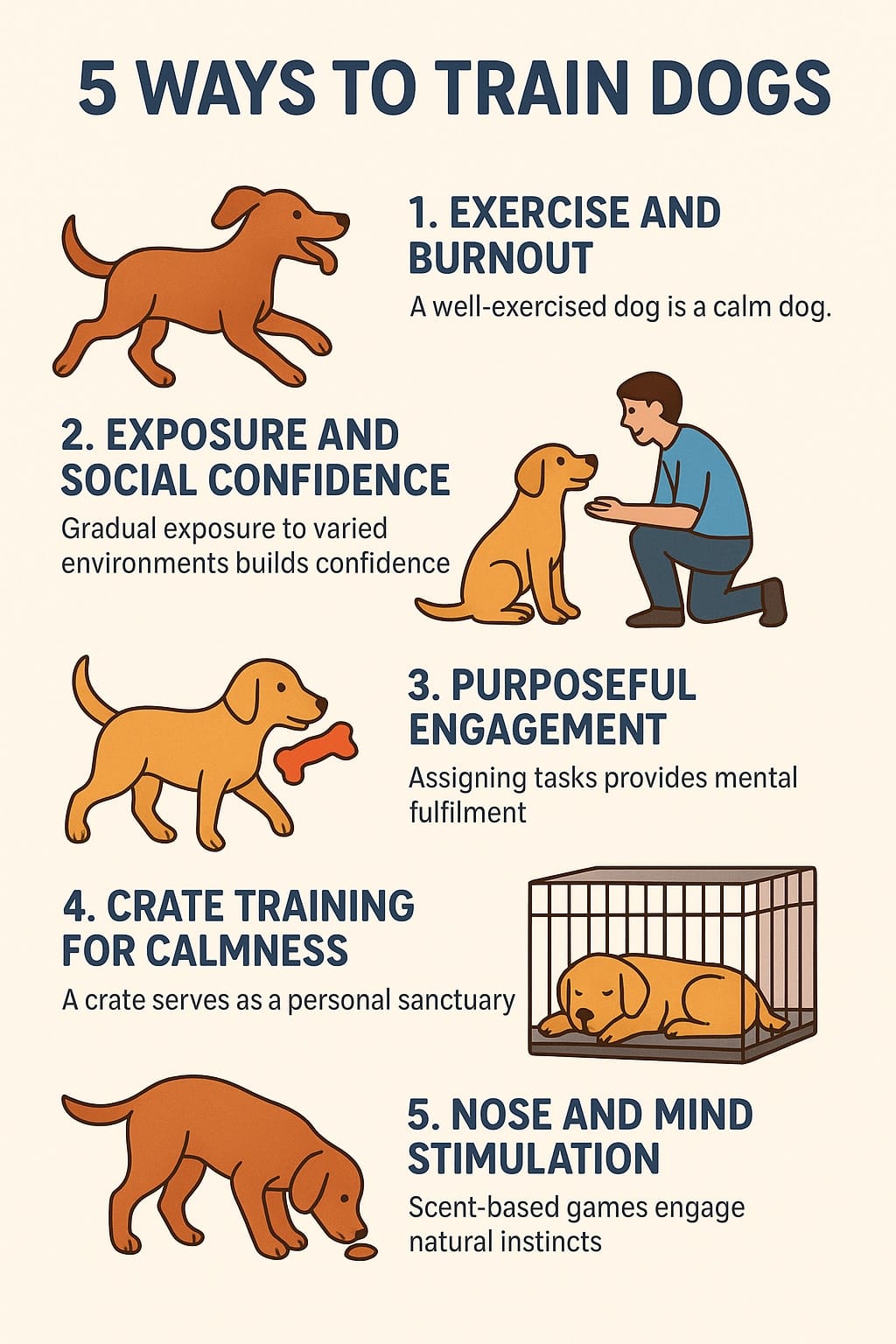
Excessive barking can be a persistent issue for many dog owners, turning a peaceful home into a cacophony of noise. Understanding why your dog barks excessively and employing effective training strategies are key to restoring tranquility. This comprehensive guide delves into the root causes of canine vocalizations and provides actionable training techniques to help manage and reduce unwanted barking, ensuring a happier coexistence for both you and your furry companion.
Understanding Why Dogs Bark
Before diving into training, it’s crucial to identify the reasons behind your dog’s barking. Dogs bark for various reasons, and recognizing the trigger is the first step toward finding a solution.
Common Triggers for Excessive Barking
- Alert/Warning Barking: This is perhaps the most common type of barking. Dogs bark to alert their owners to perceived threats, such as strangers approaching the house, unusual sounds, or even a mail carrier. This instinctive behavior is deeply ingrained.
- Excitement/Greeting Barking: Many dogs bark when they’re excited, especially when greeting their owners or other familiar people and dogs. This type of barking is usually accompanied by wagging tails and happy body language.
- Attention-Seeking Barking: Some dogs learn that barking gets them what they want, whether it’s food, a toy, or playtime. If you consistently give your dog attention when they bark for it, they’ll continue this behavior.
- Boredom/Loneliness Barking: Dogs are social animals, and when left alone for extended periods or not given enough mental and physical stimulation, they can develop boredom or separation anxiety, leading to persistent barking.
- Compulsive Barking: In some cases, barking can become a compulsive habit, often triggered by stress or anxiety. This type of barking may seem to occur without an obvious external stimulus.
- Medical Issues: Less commonly, sudden changes in barking behavior can indicate an underlying medical problem, such as pain, discomfort, or cognitive dysfunction in older dogs.
“Understanding the ‘why’ behind your dog’s bark is as important as the ‘how’ of training. Each bark is a form of communication, and our job is to decipher it and respond appropriately.”
Effective Training Strategies for Barking Dogs
Once you’ve identified the cause of the barking, you can implement targeted training methods. Consistency and patience are paramount in any dog training endeavor.
Addressing Alert/Warning Barking
The goal here is to teach your dog that their alert has been heard and that the perceived threat is not dangerous.
- The “Quiet” Command: Teach your dog a “quiet” command. When your dog barks at something outside, let them bark a few times, then say “Quiet” in a calm, firm voice. Hold a high-value treat in front of their nose. As soon as they stop barking to sniff the treat, praise them and give them the treat. Gradually increase the time they need to be quiet before receiving the reward.
- Manage the Environment: If your dog barks at things they see outside, limit their view. Close curtains or blinds, or use frosted window film on lower portions of windows. If they bark at noises, use a white noise machine or play calming music to help mask external sounds.
- Desensitization and Counter-Conditioning: For persistent triggers like the mail carrier, gradually expose your dog to the trigger at a distance where they don’t bark. Reward them for calm behavior. Slowly decrease the distance over many sessions, always rewarding calm responses. This process helps change their emotional response to the trigger.
Managing Excitement and Greeting Barking
This type of barking is often enthusiastic but can be overwhelming.
- Teach a “Sit” or “Go to Mat” for Greetings: When guests arrive, have your dog sit or go to their designated mat. Reward them for staying in place calmly. Only allow greetings once your dog is calm. You can practice this with friends and family.
- Calm Departures and Arrivals: Avoid making a big fuss when you leave or return home. Keep greetings low-key until your dog has settled down. This helps reduce anxiety and over-excitement.
Addressing Attention-Seeking Barking
The key here is to ignore the barking and reward silence.
- The Power of Ignoring: When your dog barks for attention, do not look at them, speak to them, or touch them. Turn away or leave the room if necessary. The moment they stop barking, even for a second, immediately give them the attention they craved. This teaches them that silence, not barking, earns rewards.
- Provide Sufficient Interaction: Ensure your dog receives adequate attention and playtime throughout the day when they are not barking. This proactive approach can reduce their need to seek attention through vocalization.
Countering Boredom and Loneliness Barking
A tired dog is a quiet dog. Mental and physical stimulation is crucial.
- Increase Physical Exercise: Ensure your dog gets enough daily exercise appropriate for their breed, age, and energy level. Daily walks, runs, or fetch sessions can make a significant difference.
- Incorporate Mental Stimulation: Puzzle toys, treat-dispensing toys, and training sessions engage your dog’s mind and can prevent boredom. Consider interactive dog toys that can keep them occupied when you’re not around.
- Socialization: If appropriate for your dog, doggy daycare or regular playdates with other well-behaved dogs can provide essential social interaction.
- Separation Anxiety Training: If barking is primarily when left alone, it may indicate separation anxiety. This requires a specialized training approach, often involving gradual departures, creating a safe den, and sometimes professional guidance. You can find resources on can you train a dog not to bark to help manage this.
Dealing with Compulsive Barking
Compulsive barking can be challenging and often requires a combination of behavioral modification and, in some cases, veterinary intervention.
- Increase Enrichment: Provide ample opportunities for exercise, play, and exploration.
- Training Sessions: Engage in regular positive reinforcement training to build your dog’s confidence and focus.
- Consult a Professional: If you suspect compulsive barking, it’s essential to consult a certified professional dog trainer or a veterinary behaviorist. They can help diagnose the issue and create a tailored treatment plan.
When to Seek Professional Help
While many barking issues can be resolved with consistent at-home training, some situations warrant professional intervention.
- Aggression Associated with Barking: If barking is accompanied by growling, lunging, or biting, seek help immediately from a qualified professional.
- Sudden Behavioral Changes: If your dog’s barking habit changes drastically and without apparent reason, consult your veterinarian to rule out any medical conditions.
- Lack of Progress: If you’ve diligently applied training techniques for several weeks with no improvement, a professional trainer can offer a fresh perspective and adjust the strategy. Finding a reputable dog training facility near me or exploring options like dog training bloomington mn or dog training west des moines ia can provide access to experienced professionals.
Prevention and Long-Term Management
The best approach to managing excessive barking is prevention.
- Early Socialization and Training: Expose puppies to various sights, sounds, people, and other animals from a young age in a positive way. Enroll in puppy training classes to establish good habits early on. Addressing issues like excessive barking dog training during puppyhood is much easier than correcting deeply ingrained habits later.
- Consistent Routine: Dogs thrive on routine. Regular feeding times, exercise, and training sessions help create a predictable environment that can reduce anxiety and barking.
- Positive Reinforcement: Always use positive reinforcement methods. Punitive measures can increase fear and anxiety, potentially worsening barking problems. Focus on rewarding desired behaviors.
Managing excessive barking is a journey that requires understanding, patience, and consistent effort. By identifying the root cause and applying the appropriate training strategies, you can help your dog become a more peaceful and well-adjusted companion, strengthening the bond you share through effective communication and mutual respect.
