
Dealing with anxiety in dogs can be a heartbreaking experience, both for the pup and their human. Seeing your furry friend in distress, whether it’s due to separation, loud noises, or unfamiliar situations, is tough. But there’s hope! With the right approach to dog training for anxiety, you can help your dog build confidence and learn to manage their fears. This isn’t about a quick fix; it’s about understanding your dog’s needs and using positive reinforcement to guide them towards a more peaceful existence.
The journey to a calmer dog starts with recognizing the signs of anxiety. These can manifest in various ways, from subtle body language like lip licking and yawning to more overt behaviors such as excessive barking, destructive chewing, trembling, or even aggression. Understanding these cues is the first step in addressing the root cause of their distress. It’s crucial to remember that these behaviors are not acts of defiance but rather expressions of fear and stress.
Understanding the Roots of Canine Anxiety
Canine anxiety isn’t a one-size-fits-all condition. It stems from a variety of factors, and pinpointing the trigger is key to effective training. Common culprits include:
- Separation Anxiety: This is perhaps one of the most frequently discussed forms of anxiety in dogs. It occurs when a dog becomes distressed by being left alone or separated from their primary attachment figure. Dogs suffering from separation anxiety may exhibit behaviors like excessive barking, howling, destructive chewing, digging, or even house soiling when left unattended. The underlying fear is often one of abandonment or being left in a vulnerable state. Understanding separation anxiety dogs training is vital for these cases.
- Noise Phobias: Many dogs are terrified of loud, sudden noises. Fireworks, thunderstorms, construction sounds, or even vacuum cleaners can trigger intense fear responses. This fear can lead to panic, attempts to escape, and trembling.
- Social Anxiety: Some dogs may feel anxious around unfamiliar people, other dogs, or in new environments. This can stem from a lack of early socialization, negative past experiences, or an inherently timid disposition.
- General Anxiety: This is a more pervasive anxiety that doesn’t have a single, identifiable trigger. Dogs with general anxiety may seem on edge, easily startled, and exhibit a range of anxious behaviors in everyday situations.
The Science Behind the Shakes: What’s Happening in Your Dog’s Brain?
When a dog experiences anxiety, their body goes into a “fight, flight, or freeze” response. This is driven by hormones like cortisol and adrenaline. Their heart rate increases, breathing becomes rapid, and their senses become hyper-alert, making them perceive even normal stimuli as threats. The goal of training is to help them learn that these situations are not dangerous and that they can cope.
Positive Reinforcement: The Cornerstone of Anxiety Training
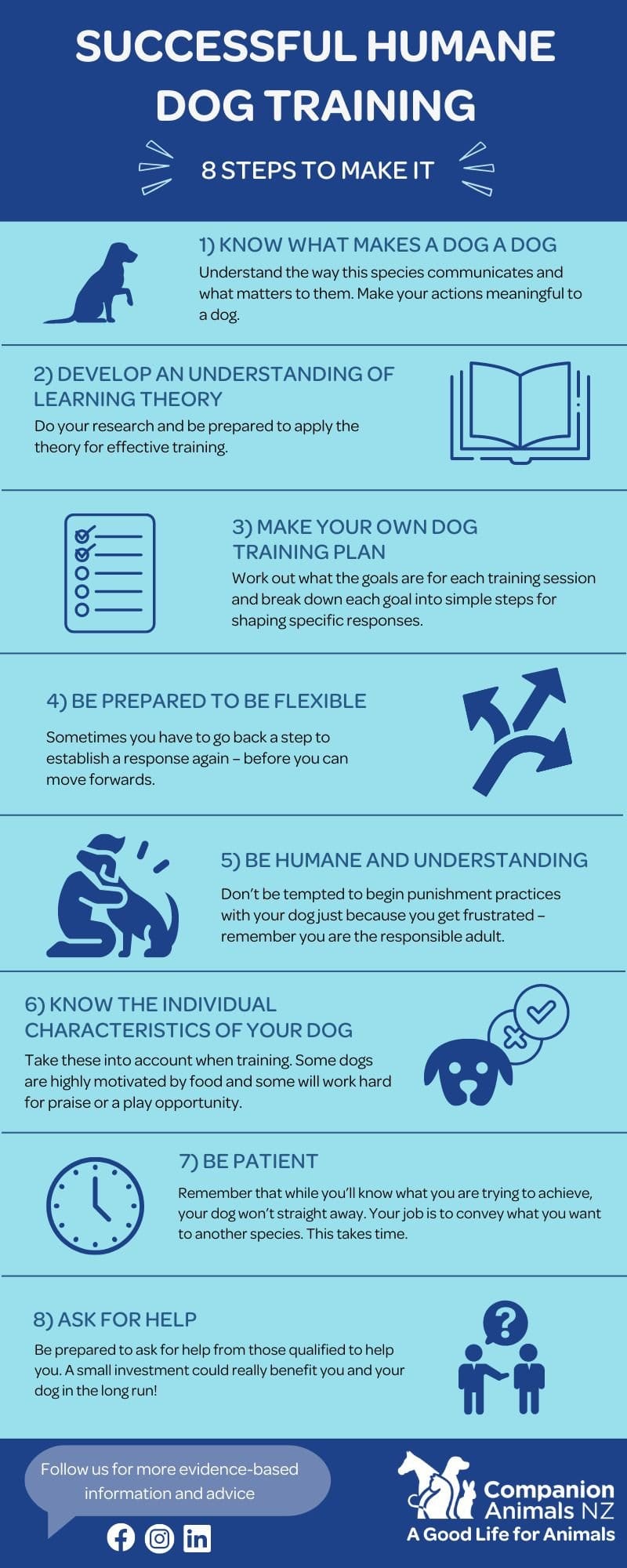
The most effective and humane approach to dog training for anxiety is through positive reinforcement. This means rewarding desired behaviors and creating positive associations with potentially anxiety-inducing situations, rather than punishing fearful responses. Punishment can actually worsen anxiety, as it adds another layer of stress and fear.
Here’s how positive reinforcement works in practice:
- Reward Calmness: When your dog displays calm behavior, especially in a situation that might typically trigger anxiety, reward them immediately with high-value treats, praise, or a favorite toy. This teaches them that calmness leads to good things.
- Desensitization and Counter-Conditioning: This is a powerful duo for tackling specific phobias.
- Desensitization involves gradually exposing your dog to the trigger at a very low intensity, so low that it doesn’t elicit an anxious response. For example, if your dog fears thunder, you might play thunder sounds at an extremely low volume.
- Counter-conditioning pairs the low-intensity trigger with something highly positive, like a delicious treat or a game. The goal is to change your dog’s emotional response from fear to anticipation of something good.
As your dog becomes comfortable, you slowly increase the intensity of the trigger over many sessions. This process requires immense patience and should be done at your dog’s pace.
- Building Confidence: Engaging in activities that build your dog’s confidence can significantly help with general anxiety. This includes puzzle toys, scent games, and learning new tricks. Mastering new skills boosts their self-esteem and creates positive experiences.
Practical Strategies for Common Anxiety Triggers
Addressing Separation Anxiety
Dog crate training for separation anxiety can be a lifesaver, but it must be introduced correctly. The crate should be a safe haven, not a punishment.
- Make the Crate Inviting: Leave the door open, place comfortable bedding inside, and toss treats or favorite toys in.
- Gradual Introductions: Start by having your dog go in for short periods while you are home, rewarding them for settling.
- Short Departures: Begin with very short absences (seconds, then minutes), gradually increasing the duration only when your dog is completely calm.
- Ignore Departure Cues: Avoid making a big fuss when you leave or return. This can heighten their anxiety. Instead, act casually.
- Provide Enrichment: Leave puzzle toys or long-lasting chews in their crate to keep them occupied.
- Consider Professional Help: For severe cases, consult a professional trainer or a veterinary behaviorist.
Managing Noise Phobias
- Create a Safe Space: Designate a quiet, den-like area where your dog can retreat during loud events. This could be a crate covered with blankets or a specific room.
- Mask the Sound: Play calming music or white noise to help drown out frightening sounds.
- Desensitization: As mentioned, gradually exposing your dog to recordings of the scary sounds at low volumes while offering treats can help.
- Comfort and Reassurance (with caution): While it’s natural to want to comfort a scared dog, overly coddling can sometimes reinforce the idea that there is something to be afraid of. Offer calm reassurance, but avoid frantic petting or high-pitched soothing tones.
Socialization for Anxious Dogs
Socialization for an anxious dog is about quality, not quantity.
- Controlled Introductions: Introduce your dog to new people and dogs in a calm, controlled environment. Keep interactions brief and positive.
- Observer Role: Allow your dog to observe other dogs from a safe distance where they feel comfortable. Gradually decrease the distance as they show more confidence.
- Focus on Positive Encounters: Ensure that interactions your dog has are positive and non-threatening. Avoid overwhelming them.
- Respect Their Boundaries: Never force your dog into a situation that makes them uncomfortable.
The Role of Professional Guidance
While you can do a lot at home, seeking professional help is often crucial for managing canine anxiety.
- Veterinarians: Your vet can rule out any underlying medical conditions that might be contributing to anxiety and may prescribe medication or supplements to help manage severe symptoms. This medication often works best in conjunction with behavior modification.
- Certified Professional Dog Trainers (CPDT-KA/KSA): Look for trainers who specialize in behavior modification and positive reinforcement. They can assess your dog’s specific situation and create a tailored training plan.
- Veterinary Behaviorists (DACVB): These are veterinarians with advanced training in animal behavior. They are best equipped to handle complex anxiety disorders and can prescribe medication if needed. They are invaluable for helping with service dog training for anxiety.
Creating a Supportive Environment at Home
Beyond structured training sessions, your daily interactions play a massive role in your dog’s emotional well-being.
- Routine: Dogs thrive on routine. Predictable feeding times, walks, and play sessions can provide a sense of security.
- Adequate Exercise: A tired dog is often a calmer dog. Ensure your dog gets enough physical activity suited to their breed and age.
- Mental Stimulation: Boredom can lead to anxiety. Engage your dog’s mind with puzzle toys, training sessions, and new experiences.
- Patience and Understanding: Remember that training takes time, and setbacks can happen. Celebrate small victories and maintain a positive, patient attitude.
Can Dogs Be Trained for Anxiety?
Yes, absolutely! While some dogs may have a genetic predisposition to anxiety or have experienced trauma, they can certainly learn to cope with their fears and live happier lives with the right how to train service dog for anxiety techniques. It’s about equipping them with the tools to manage their emotions and building your trust and communication with them.
Conclusion: A Journey Towards a Happier, More Confident Dog
Addressing anxiety in dogs is a journey, not a race. By committing to positive, science-based training methods, providing a secure and enriching environment, and seeking professional guidance when needed, you can make a profound difference in your dog’s life. Witnessing your anxious companion transform into a more relaxed, confident, and happy member of the family is one of the most rewarding experiences a dog owner can have. Remember, every step you take in dog training for anxiety is a step towards a stronger bond and a brighter future for your beloved dog.
