
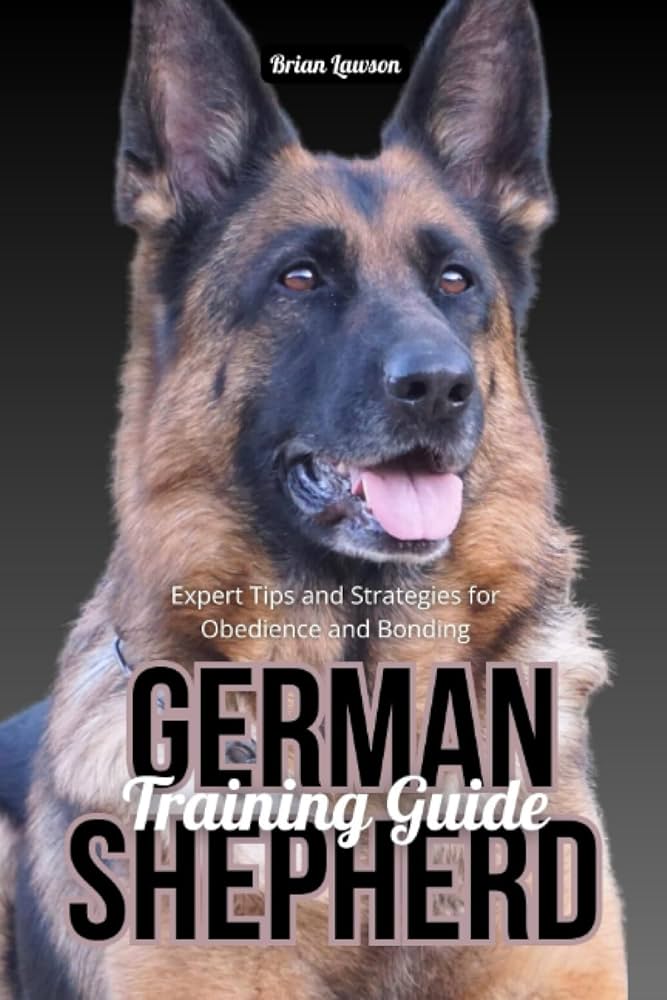
German Shepherds, with their intelligence, loyalty, and protective nature, make exceptional companions. However, their inherent strength and guarding instincts, if not properly channeled, can manifest as aggression. This can be a concern for owners, especially those with a German Shepherd exhibiting aggressive tendencies. This comprehensive guide will delve into the nuances of Dog Training For Aggressive German Shepherds, offering insights and actionable strategies to foster a well-behaved, confident, and safe canine companion.
The journey of training an aggressive German Shepherd requires patience, consistency, and a deep understanding of canine behavior. It’s crucial to remember that aggression is often a symptom of underlying issues, such as fear, anxiety, lack of socialization, or inadequate training. Our goal is to address these root causes while implementing effective training protocols to reshape the dog’s behavior.
Understanding German Shepherd Aggression
Before we dive into training methods, it’s essential to understand why German Shepherds might display aggression. These dogs were originally bred for herding and guarding, traits that can be misconstrued or amplified if not managed correctly.
- Fear-Based Aggression: This is perhaps the most common type. A dog may act aggressively because it feels threatened, scared, or cornered. This can stem from poor socialization during puppyhood, traumatic experiences, or genetic predisposition.
- Resource Guarding: German Shepherds can be protective of their resources, including food, toys, or even their owners. If another dog or person approaches during these times, the dog may exhibit aggressive behaviors like growling, snapping, or biting.
- Territorial Aggression: Their guarding instincts can lead to aggression towards perceived intruders, whether they are strangers, other animals, or even familiar people entering their territory.
- Predatory Aggression: While less common in domestic settings, their herding background can sometimes translate into a prey drive that may be triggered by small, fast-moving objects or animals.
- Pain or Medical Issues: Sudden onset of aggression can sometimes be linked to an underlying medical condition or pain. It’s always advisable to rule out any health problems with a veterinarian.
Identifying the Triggers
One of the most critical steps in training an aggressive German Shepherd is identifying the specific triggers that elicit aggressive responses. This involves careful observation of the dog’s body language and the context in which the aggression occurs.
Common triggers include:
- Strangers approaching the dog or its territory.
- Other dogs, especially during walks or in a park setting.
- Loud noises or sudden movements.
- Approaching the dog while it is eating or sleeping.
- Being handled in a way that makes the dog uncomfortable (e.g., during grooming, vet visits).
Understanding these triggers allows us to manage the environment and implement targeted training strategies. For instance, if a dog is territorial, management might involve keeping them on a leash and away from the front door when visitors arrive.
Foundational Training Principles for German Shepherds
Effective training for an aggressive German Shepherd hinges on positive reinforcement, consistency, and patience. Harsh corrections or punishment-based methods can often exacerbate aggression, leading to increased fear and unpredictability.
Positive Reinforcement
This method involves rewarding desired behaviors. When your German Shepherd exhibits calm or appropriate behavior in a potentially triggering situation, reward them with high-value treats, praise, or a favorite toy. This helps them associate positive outcomes with specific scenarios, gradually changing their emotional response.
Consistency is Key
All members of the household must be on the same page regarding training commands, rules, and rewards. Inconsistency can confuse the dog and undermine training progress. This applies to daily routines, too; a predictable schedule can reduce anxiety.
Patience and Realistic Expectations
Aggression in dogs is rarely overcome overnight. It’s a process that requires dedication and understanding. Celebrate small victories and avoid getting discouraged by setbacks. Remember that the goal is to manage and modify behavior, not to eliminate the dog’s natural protective instincts entirely.
Essential Training Techniques
Once foundational principles are in place, specific techniques can be employed to address aggression. It is highly recommended to consult with a certified professional dog trainer or a veterinary behaviorist when dealing with significant aggression.
Desensitization and Counter-Conditioning (DSCC)
This is a cornerstone technique for modifying fear-based or reactivity-driven aggression.
- Desensitization: Gradually exposing the dog to its triggers at a distance or intensity that does not elicit an aggressive response. For example, if a dog reacts aggressively to other dogs, start by having them see another dog at a significant distance where they remain calm.
- Counter-Conditioning: Changing the dog’s emotional response to the trigger by pairing it with something positive. In the same example, whenever the dog sees another dog at that safe distance, they receive a high-value treat. Over time, the dog learns to associate the sight of other dogs with good things, rather than fear or anxiety.
The key here is to remain below the dog’s “threshold”—the point at which they become overwhelmed and react aggressively. Gradually decrease the distance or increase the intensity of the trigger as the dog shows improvement. This process is similar to how basic protection dog training might involve controlled exposure to stimuli.
Obedience Training Refresher
A strong foundation in basic obedience commands is crucial. Commands like “sit,” “stay,” “come,” and “leave it” provide structure and help you manage your dog’s behavior in various situations. For an aggressive German Shepherd, commands like “look at me” or “place” (go to a specific spot) can be invaluable for redirecting their attention and managing their impulses.
If you’re looking for a trainer, consider a dog training conway sc professional who utilizes positive reinforcement methods.
Impulse Control Exercises
German Shepherds can have high energy and impulse control issues if not properly managed. Exercises that teach them to wait and control their impulses are vital.
- “Wait” for Food: Teach your dog to wait calmly before eating their food. You can hold their bowl and only release it when they are sitting calmly and not lunging.
- Toy Play Control: During play, teach your dog to “drop it” or “leave it” when you ask, even if they are holding a prized toy.
- Greeting Etiquette: Train your dog to remain on a “place” or in a sit/stay when people enter the house, rather than rushing the door.
Socialization (Carefully Managed)
While it might seem counterintuitive, careful and positive socialization is essential, especially for younger dogs or those whose aggression stems from fear of novelty. This doesn’t mean throwing your dog into overwhelming situations. Instead, it involves controlled, positive exposure to new people, places, and other well-behaved dogs.
- Controlled Introductions: Introduce your dog to new people or dogs one at a time, in a calm environment, and at a distance where your dog feels comfortable.
- Positive Associations: Ensure these encounters are positive. If your dog remains calm, reward them. If they show signs of stress, increase the distance or end the interaction before they become overwhelmed.
- Focus on Quality over Quantity: A few positive, well-managed social interactions are far more beneficial than many overwhelming or negative ones.
For owners seeking specialized training, services like how to get a trained therapy dog can offer insights into structured socialization and behavior modification.
Management Strategies for Aggression
While training is ongoing, effective management strategies can prevent incidents and ensure safety.
Environmental Management
- Leash and Muzzle Training: Always use a sturdy leash and consider a basket muzzle for walks or in situations where you anticipate potential triggers. Muzzle training should be done positively, so the dog associates the muzzle with treats and safety.
- Secure Fencing: Ensure your yard is securely fenced to prevent escapes and accidental encounters with passersby.
- Crate Training: A crate can provide a safe den for your dog, especially when you cannot supervise them directly. It can also be used to manage them during times of high stress or when visitors are present.
Avoiding Triggers
As much as possible, avoid situations that you know will trigger your dog’s aggression until training has progressed significantly. This might mean walking your dog at quieter times, avoiding crowded dog parks, or rearranging your home environment when guests visit.
Addressing Specific Aggression Scenarios
Leash Reactivity
Many German Shepherds exhibit leash reactivity, barking, lunging, or growling at other dogs or people while on a leash. This is often a combination of frustration, fear, and redirected excitement.
- Increase Distance: Cross the street, step behind a parked car, or turn around to create more space between your dog and the trigger.
- “Look at That” Game: When you see a trigger at a distance your dog can tolerate, say “That’s it!” and immediately give a treat. The goal is to change the dog’s perception from “Oh no, a dog!” to “Oh, a dog means treats!”
- Loose-Leash Walking: Proper loose-leash walking techniques are crucial. A tight leash can increase tension and frustration.
Aggression Towards Strangers
This can be a significant concern. It requires a combination of DSCC, obedience, and careful management.
- Controlled Greetings: Have visitors toss treats towards your dog without making direct eye contact or attempting to pet them initially.
- “Place” Command: Train your dog to go to a designated mat or bed when someone enters. Reward them for staying there calmly.
- Professional Help: For severe aggression towards strangers, consulting a professional is non-negotiable. They can help implement a safety plan and advanced behavior modification protocols. Services similar to dog training diabetes alert highlight the specialized nature of advanced canine training.
The Role of Exercise and Mental Stimulation
A tired dog is often a well-behaved dog. German Shepherds are intelligent and energetic breeds that require significant physical and mental stimulation.
- Physical Exercise: Daily walks, runs, or sessions of fetch are essential. Ensure the exercise is appropriate for your dog’s age and physical condition.
- Mental Stimulation: Puzzle toys, scent work, training sessions, and learning new tricks can help tire your dog’s mind, reducing boredom and anxiety that can contribute to aggression.
When to Seek Professional Help
While this guide provides valuable information, it’s crucial to recognize when professional intervention is necessary. You should seek help from a certified professional dog trainer or a veterinary behaviorist if:
- The aggression is severe, including biting.
- The aggression is unpredictable.
- You feel unsafe or are struggling to manage the dog.
- You have tried various methods without success.
- You suspect a medical issue is contributing to the aggression.
A qualified professional can assess your specific situation, identify the root cause of the aggression, and develop a tailored training and management plan. They may also be able to offer insights into specialized training, such as the techniques used by a police dog dog trainer near me.
Conclusion: Building a Bond of Trust
Training an aggressive German Shepherd is a challenging but rewarding endeavor. By understanding the root causes of aggression, implementing consistent positive reinforcement training, utilizing appropriate management strategies, and seeking professional guidance when needed, you can help your German Shepherd become a confident, well-adjusted, and beloved member of your family. The journey is about more than just obedience; it’s about building a deeper bond of trust and mutual understanding with your canine companion. Remember that every dog is an individual, and with the right approach, significant positive change is achievable.
