
At six months old, your puppy is hitting a crucial developmental stage. They’re past the initial baby fuzzies but still possess a boundless, sometimes chaotic, energy that requires channeling. This is the prime time to solidify good behaviors and introduce more advanced concepts. Think of this period as building the foundation for a well-behaved adult dog. It’s not just about teaching tricks; it’s about fostering communication, confidence, and a strong bond between you and your canine companion. This guide will walk you through the essentials of dog training for your 6-month-old, ensuring a harmonious future together.
The 6-Month Milestone: What to Expect
By six months, your puppy has likely mastered the basics: potty training is mostly sorted (though occasional accidents can happen!), they understand simple commands like “sit” and “stay,” and their socialisation efforts should be well underway. However, adolescence is also kicking in. This means they might test boundaries, seem to forget commands they once knew, or become easily distracted. Their attention spans are still developing, and their drive for exploration and play is at its peak. It’s crucial to remember that this phase is normal and requires patience and consistency. Instead of getting frustrated, view these challenges as opportunities to reinforce training and deepen your understanding of your dog’s evolving needs.
Understanding Canine Adolescence
Canine adolescence typically spans from about six months to eighteen months, though it can vary by breed and individual dog. During this time, hormonal changes parallel those in human teenagers, leading to increased independence, a tendency to push limits, and a potential for “selective hearing.” This is where consistent training becomes paramount. Your established routines and commands are your best tools for navigating this potentially testing period. If you’re looking for structured guidance, consider exploring training classes for dogs that cater to this age group; they can provide invaluable support and professional insights.
Core Training Principles for Your 6-Month-Old
Consistency, positive reinforcement, and clear communication are the cornerstones of effective dog training at any age, but they are especially vital for a six-month-old.
Consistency is Key
This cannot be stressed enough. Every member of the household should be on the same page regarding commands, rules, and rewards. If “sit” means one thing to you and another to your partner, your puppy will become confused. Establish a consistent routine for feeding, potty breaks, training sessions, and playtime. This predictability helps your puppy feel secure and understand expectations more easily.
Positive Reinforcement Methods
Positive reinforcement focuses on rewarding desired behaviors, making them more likely to occur again. This includes treats, praise, petting, and toys. Avoid punishment-based methods, which can create fear, anxiety, and aggression in dogs, especially during adolescence. When your puppy makes a mistake, redirect them calmly or ignore minor infractions if appropriate, and reward them generously when they get it right.
Short, Engaging Training Sessions
A six-month-old puppy has a limited attention span. Aim for multiple short training sessions throughout the day (5-10 minutes each) rather than one long, drawn-out session. This keeps training fun and prevents your puppy from becoming bored or overwhelmed. End each session on a positive note, with a successful command and a reward.
Essential Commands to Reinforce and Advance
While your puppy may know basic commands, six months is the perfect time to refine them and introduce new ones.
Refining the Basics
- Sit: Ensure a solid, immediate sit whenever asked.
- Stay: Gradually increase the duration and distance for the “stay” command. Start with a few seconds and a short distance, then slowly build up.
- Come/Recall: This is a critical command for safety. Practice recall in a safe, enclosed area, making it a highly rewarding experience. Never call your dog to punish them; always associate coming to you with positive outcomes. For outdoor excursions, understanding dog training conway sc resources can be helpful if you live in that area, as local trainers often have valuable insights.
- Down: Teach a reliable down from a sit or standing position.
Introducing New Skills
- Leave It: Teach your puppy to ignore tempting items on the ground or in your hand. This is crucial for preventing them from ingesting dangerous objects.
- Drop It: Essential for games and preventing resource guarding. Teach your puppy to release an item they have in their mouth.
- Heel (Leash Manners): Work on loose-leash walking. Your puppy should walk beside you without pulling. This can be challenging, and sometimes a remote dog training collar might be considered by experienced owners for specific off-leash control situations, but always with expert guidance.
- Wait: Similar to “stay,” but often used at doorways or before meals. It means “pause until I give the release cue.”
 Essential dog training commands for a 6-month-old puppy to master, with positive reinforcement techniques.
Addressing Common Behavioral Challenges
Adolescence often brings a new set of behavioral challenges. Understanding why they happen is the first step to addressing them.
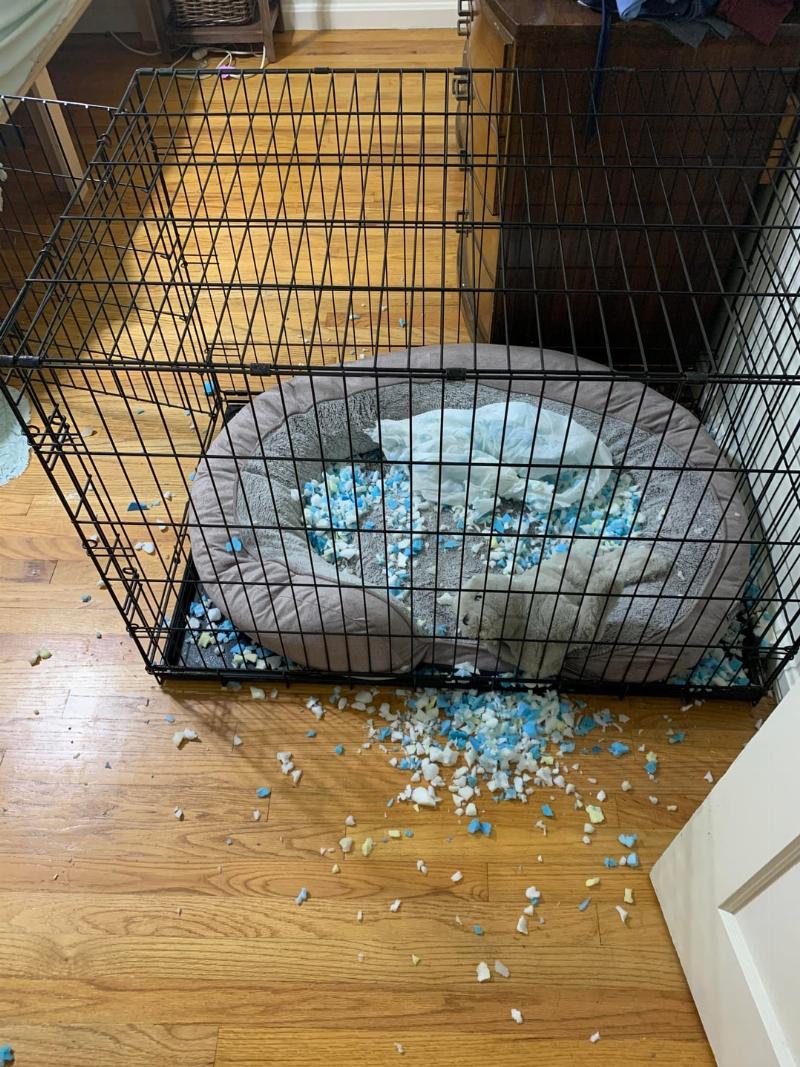
Chewing and Destructive Behavior
Puppies chew to explore their world and relieve teething discomfort. At six months, this might escalate as they have more energy and are testing boundaries.
- Provide appropriate chew toys: Offer a variety of textures and types of chew toys. Rotate them to keep things interesting.
- Supervise closely: If you can’t supervise, use a crate or a designated safe space.
- Redirect: If you catch your puppy chewing something inappropriate, calmly redirect them to an appropriate chew toy.
Jumping Up
Jumping is often a greeting behavior that puppies learn from each other. To discourage it:
- Ignore the jumping: Turn away or step back when your puppy jumps up. Only give attention when all four paws are on the floor.
- Reward calm greetings: Praise and reward your puppy when they greet you or guests calmly.
Barking
Excessive barking can stem from boredom, attention-seeking, or anxiety.
- Identify the trigger: Is it boredom? A need for potty breaks? A visitor?
- Teach “Quiet”: When your dog barks, let them bark a few times, then hold a treat near their nose. When they stop barking to sniff, say “Quiet” and give the treat.
- Ensure sufficient exercise and mental stimulation: A tired dog is less likely to bark excessively.
Resource Guarding
This is when a dog becomes possessive over food, toys, or even people. It’s a serious behavior that needs careful management.
- Trade-ups: Practice trading a less valuable item for a high-value one. This teaches your dog that giving something up can lead to a better reward.
- Avoid Tense Situations: Don’t hover over your dog while they eat or take toys away abruptly.
- Seek Professional Help: If you suspect resource guarding, consult a certified professional dog trainer or veterinary behaviorist. Certain breeds, like those you might research when considering are boxer dogs easy to train, can sometimes be prone to guarding if not properly socialized and trained.
The Role of Socialization and Exercise
Socialization and exercise are not just for young puppies; they are ongoing needs.
Continued Socialization
Even at six months, continue to expose your puppy to new environments, people, and well-behaved dogs. Ensure these experiences are positive and not overwhelming. This helps them develop into a confident, well-adjusted adult dog.
Physical and Mental Exercise
A six-month-old puppy needs plenty of both.
- Physical Exercise: Daily walks, fetch, and playtime are essential. Ensure the intensity is appropriate for their age and breed to avoid injury.
- Mental Stimulation: Puzzle toys, scent work, and learning new commands provide crucial mental engagement. This is often as tiring as physical exercise and can help curb destructive behaviors.
 Mental stimulation activities for a 6-month-old dog to prevent boredom and destructive behavior.
Advanced Training Techniques and Tools
As your puppy progresses, you might explore more advanced training or tools, always prioritizing positive methods.
Clicker Training
Clicker training uses a distinct click sound to mark the exact moment a dog performs the desired behavior, followed by a reward. It’s a highly effective way to communicate clearly with your dog.
Training Collars (Use with Caution)
While not always necessary, some owners consider specific training tools. If you’re considering tools like an e-collar, it’s vital to understand their proper use and ethical implications. Consulting resources on the best e collar for dog training can provide information, but professional guidance is strongly recommended to ensure humane and effective application. Remember, these tools are meant to aid training, not replace it.
Frequently Asked Questions
Q1: How long should training sessions be for a 6-month-old dog?
A1: Keep sessions short and sweet, around 5-10 minutes, a few times a day. This maintains engagement and prevents your puppy from getting bored.
Q2: My 6-month-old puppy is suddenly having accidents indoors. What should I do?
A2: This can be normal during adolescence. Ensure consistent potty breaks, praise successful potty trips, and rule out any medical issues with your vet. Avoid punishment for accidents.
Q3: How much exercise does a 6-month-old dog need?
A3: This varies by breed, but generally, aim for about 5 minutes of structured exercise per month of age, twice a day. So, a 6-month-old might need around 30 minutes of focused activity, twice daily, in addition to free play.
Q4: Is it too late to start advanced training with my 6-month-old?
A4: Absolutely not! Six months is an excellent time to build upon basic commands and introduce new skills. Your puppy is very receptive to learning now.
Q5: My puppy is becoming possessive over toys. What’s the best way to handle this?
A5: Practice “trade-ups” where you offer a high-value treat in exchange for the toy. This teaches your dog that letting go leads to good things. If the behavior is severe, seek professional help.
Conclusion: Building a Lifelong Partnership
Training a six-month-old dog is an investment in your future relationship. By understanding their adolescent stage, maintaining consistency, employing positive reinforcement, and providing ample exercise and mental stimulation, you’re setting the stage for a well-behaved, confident, and happy companion. Embrace the challenges and celebrate the successes, knowing that each training session strengthens the incredible bond you share. The journey of dog training is ongoing, and with patience and dedication, your six-month-old pup will grow into a cherished member of your family.
