
Choosing the right tools is the first step towards building a successful and joyful relationship with your canine companion. With a vast market of Dog Training Equipment For Sale, it can be overwhelming to know where to begin. This guide will walk you through the essential gear, from basic puppy needs to specialized equipment, ensuring you invest in tools that are effective, safe, and right for your dog. A well-equipped owner is a confident owner, and that confidence translates directly to your dog. For those considering a professionally prepared companion, options like trained dogs for sale ohio highlight the results of proper tool usage.
Foundational Equipment for Every Dog Owner
Before diving into specific training disciplines, every dog owner needs a core set of tools for daily life. This equipment ensures safety, comfort, and control during walks, at home, and out in public. Think of these as the non-negotiables for responsible dog ownership.
Leashes, Harnesses, and Collars
The leash and collar (or harness) are your primary connection to your dog in the outside world. Choosing the right combination is crucial for both safety and effective communication.
- Standard Leashes: Typically 4 to 6 feet long and made of nylon, leather, or rope. They are perfect for daily walks and basic obedience training, offering a reliable and straightforward connection.
- Harnesses: A great option for dogs that pull, as they distribute pressure across the chest and shoulders instead of the neck. Front-clip harnesses are particularly effective for discouraging pulling, while back-clip harnesses are suitable for calm walkers.
- Collars: Flat collars are essential for holding identification tags. Martingale collars are designed for dogs with narrow heads, like Greyhounds, preventing them from slipping out. It’s vital to ensure any collar is fitted correctly—you should be able to comfortably slip two fingers between the collar and the dog’s neck.
Dr. Sarah Miller, a renowned canine behaviorist, notes, “The right walking equipment shouldn’t be a tool of force, but a line of communication. It’s about gentle guidance, not constant correction. The goal is a loose leash, which signifies a relaxed and attentive dog.”
Treat Pouches and High-Value Rewards
Positive reinforcement is the cornerstone of modern dog training. This means you’ll need a steady supply of high-value treats to reward desired behaviors. A treat pouch is an indispensable accessory that allows for quick and easy access to these rewards, making your timing more precise and effective. Look for a pouch that clips onto your belt or waistband and has a secure opening that you can access with one hand.
Essential Tools for Obedience Training
Once you have the basics covered, you can explore equipment designed to teach specific skills and behaviors. These tools help clarify communication and make training sessions more efficient and enjoyable for both you and your dog.
What is a Clicker and How Does It Work?
A clicker is a small plastic device that makes a distinct “click” sound. In a method called “clicker training,” you first teach the dog that the click sound is always followed by a treat. This process, called “charging the clicker,” turns the click into a powerful marker signal. It tells the dog, at the exact moment it happens, “That behavior is what earned you a reward.” This precision speeds up learning immensely.
Place Boards and Mats
A “place” command, which teaches a dog to go to a specific spot and stay there, is invaluable for management and building calmness. A dog training place board or a designated mat provides a clear, physical target for this behavior. It helps the dog understand exactly where they are supposed to be. This simple tool can be used to manage behavior when guests arrive, during family mealtimes, or simply to teach your dog how to settle down on cue.
Specialized Dog Training Equipment for Sale
For those looking to explore advanced disciplines or canine sports, specialized equipment is necessary. These tools are designed for specific activities and can open up a new world of engagement and fun with your dog. Just as you might explore advanced techniques like shed hunting dog training, using the right gear is paramount to success.
Gear for Agility Training
Agility is a popular dog sport where a handler directs their dog through an obstacle course. If you’re interested in this high-energy activity, you’ll find various pieces of agility equipment for sale:
- Jumps: Adjustable hurdles that dogs learn to leap over.
- Tunnels: Fabric tunnels for dogs to run through.
- Weave Poles: A series of upright poles that dogs must weave through.
- Pause Tables: A raised platform where the dog must stop and wait for a designated time.
Tools for Scent Work and Hunting
Dogs have an incredible sense of smell, and scent work channels this natural ability into a fun game. Scent work kits typically include cotton swabs, essential oils (like birch or clove), and small containers to hide the scents. For those interested in field trials or hunting, equipment like training dummies (or bumpers), whistles, and specialized vests are essential. Many enthusiasts find that joining structured programs like dog hunting training classes can provide the guidance needed to use this equipment effectively.
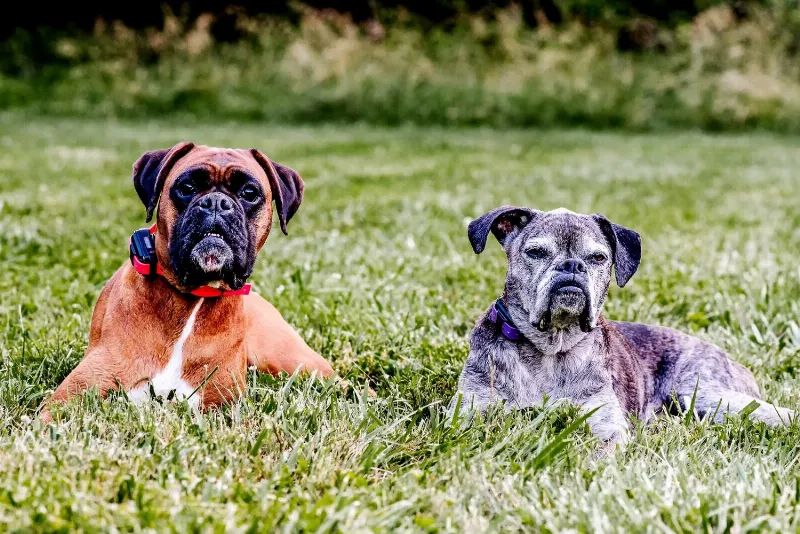 A golden retriever patiently sitting on a blue dog training place board, demonstrating focus and obedience during a training session with its owner.
How to Choose the Right Equipment for Your Dog
Not every tool is right for every dog. Making an informed choice requires considering your dog’s individual characteristics and your specific training objectives. A mismatched tool can hinder progress and cause frustration.
Consider Your Dog’s Breed, Size, and Temperament
A powerful, large-breed dog will require more durable equipment than a toy breed. A sturdy harness might be perfect for a strong puller, while a simple flat collar may suffice for a small, gentle dog. Your dog’s temperament is also a key factor. A sensitive or shy dog might respond best to gentle tools and positive reinforcement, while a high-energy, confident dog might need more structured guidance. The approach for how to how to train a poodle dog, for example, will differ from that for a stubborn bulldog, and the equipment should reflect that.
Match the Tool to the Training Goal
Define what you want to achieve. Are you working on loose-leash walking? A front-clip harness might be your best bet. Are you teaching recall? A long line (a 20-30 foot leash) will be an invaluable tool. For competitive obedience, you might need specific dumbbells or jumps. Don’t buy a piece of equipment simply because it’s popular; ensure it directly serves your training purpose.
Safety First: Equipment to Use with Caution
Certain types of training equipment can cause physical or psychological harm if used improperly. Tools like prong collars, choke chains, and electronic collars should only be considered under the guidance of a certified, experienced professional. For the vast majority of pet owners, humane, positive-reinforcement-based tools are safer and more effective for building a strong, trust-based relationship.
Frequently Asked Questions (FAQ)
What is the most essential piece of dog training equipment?
The most essential items are a well-fitted collar or harness and a standard 6-foot leash. These are fundamental for safety, daily walks, and basic control, forming the foundation of your training toolkit.
Can I train my dog without any special equipment?
Yes, you can teach many basic commands like “sit” and “stay” using just your voice, body language, and rewards like treats or praise. However, equipment like leashes is essential for safety, and tools like clickers and place boards can significantly speed up and clarify the learning process.
How do I know if a harness fits my dog properly?
A properly fitted harness should be snug but not restrictive. You should be able to fit two fingers between the straps and your dog’s body. Ensure it doesn’t chafe under their front legs and that the buckles are not digging into their skin.
Are expensive dog training tools better?
Not necessarily. While quality and durability are important, the effectiveness of a tool depends on how it’s used. An inexpensive clicker used with precise timing is far more valuable than a costly, complex device used incorrectly. Focus on the right tool for the job, not the price tag.
What equipment do I need for a new puppy?
For a new puppy, you’ll need a lightweight collar or harness, a standard leash, a crate for house training and management, chew toys to redirect biting, and a treat pouch for positive reinforcement training from day one.
Your Journey Starts with the Right Tools
Investing in the proper dog training equipment for sale is an investment in your relationship with your dog. The right tools facilitate clear communication, build confidence, and make the training process more efficient and enjoyable. Start with the foundational gear, and as you and your dog grow together, you can explore more specialized equipment to unlock new skills and deepen your bond. Remember that no tool is a substitute for patience, consistency, and a positive attitude.
