
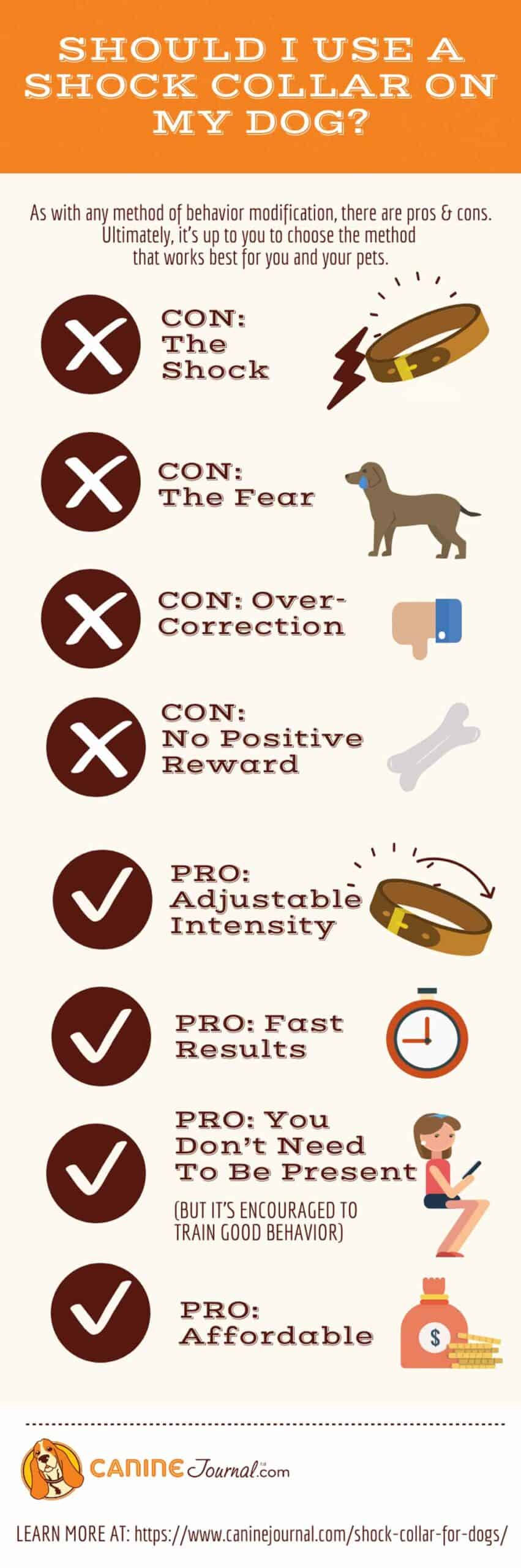
Understanding your dog’s behavior is a journey, and sometimes, a little extra help can make all the difference. Dog training e-collars, also known as electronic collars or shock collars, have become a popular tool for many owners seeking to correct unwanted behaviors or enhance training effectiveness. However, their use is often debated, and it’s crucial to approach them with knowledge and responsibility. This guide aims to provide a comprehensive look at dog training e-collars, covering their features, the benefits they offer, and most importantly, how to use them safely and ethically. Whether you’re considering an e-collar for the first time or looking to refine your training methods, understanding the nuances of these tools is paramount.
Understanding How Dog Training E-Collars Work
At their core, e-collars are designed to deliver a mild static stimulation to a dog’s neck as a form of communication during training. This is not about causing pain, but rather about providing a clear, consistent signal that the dog can learn to associate with specific actions or behaviors. Modern e-collars offer a range of intensity levels, allowing owners to find the lowest effective setting for their individual dog.
The primary goal is to interrupt an undesirable behavior or to mark a desired one. For instance, if your dog is prone to jumping on guests, a precisely timed, low-level stimulation can interrupt the action, allowing you to redirect them to a more appropriate behavior, like sitting. This type of training relies on operant conditioning, where the stimulation acts as a “corrector” that makes the unwanted behavior less appealing. For those interested in specific applications, understanding the best training collar for large dogs can be particularly helpful, as their needs might differ from smaller breeds.
Key Features of Modern E-Collars
The technology behind e-collars has advanced significantly, offering features that enhance both effectiveness and safety:
- Adjustable Stimulation Levels: This is perhaps the most critical feature. E-collars allow you to dial in the exact level of stimulation, starting from a gentle vibration or beep up to a static pulse. The aim is always to use the lowest effective level.
- Waterproof and Durable Design: Many e-collars are built to withstand the elements, making them suitable for use in various weather conditions and during water activities. This durability ensures they can handle the rigors of regular training.
- Multiple Modes: Beyond static stimulation, many collars include vibration and tone options. These can be used as milder alternatives or as pre-warning signals before a stimulation is delivered. Some owners prefer to start with these less aversive methods.
- Range: E-collars come with varying ranges, from a few hundred yards to over a mile. The range you need will depend on your typical training environment and your dog’s recall reliability.
- Rechargeable Batteries: Most modern collars and remote transmitters use rechargeable batteries, offering convenience and long-term cost savings.
Benefits of Using an E-Collar for Dog Training
When used correctly, e-collars can offer several advantages in dog training:
- Effective for Difficult Behaviors: For persistent issues like excessive barking, aggression, or bolting, an e-collar can provide a consistent and immediate correction that might be difficult to achieve with traditional methods alone. This is where a dog barking training collar might be considered.
- Enhanced Safety: In situations where a dog’s behavior poses a safety risk (e.g., running into traffic), an e-collar can be a critical tool for immediate control. The ability to quickly get a dog’s attention can prevent dangerous accidents.
- Clear Communication: The consistent signal from an e-collar can help dogs understand boundaries more quickly. It provides a clear cause-and-effect link between their actions and the resulting sensation.
- Reduced Frustration for Owner and Dog: When training methods are not yielding results, both the owner and the dog can become frustrated. An e-collar, when used appropriately, can sometimes break through training plateaus and lead to faster progress, reducing stress for everyone involved.
- Versatility: E-collars can be used for a wide array of training purposes, from basic obedience to advanced off-leash training and correcting specific nuisance behaviors. Some advanced models, like vibration dog training collars, offer alternative communication methods for sensitive dogs.
The Importance of Proper E-Collar Training Techniques
The effectiveness and ethical use of an e-collar heavily depend on the owner’s knowledge and application of correct training techniques. It’s not a magic wand, but a tool that requires skill and understanding.
Finding the Right Stimulation Level
This is paramount. You must first establish the dog’s “perceived level” – the lowest setting at which the dog shows any slight reaction, such as a head twitch, ear flick, or blinking. This is the level you will use for training. Avoid using levels that cause yelping, running away, or obvious distress. Always start low and gradually increase only if necessary, and never go above the dog’s perceived level for a correction. Consulting a detailed guide, such as the slopehill dog training collar manual, can provide specific instructions for your device.
Timing is Everything
The stimulation must be delivered precisely when the unwanted behavior occurs or immediately after. Delayed corrections are confusing and ineffective for dogs. Similarly, if you are marking a desired behavior, the stimulation (or tone/vibration) should be paired with the action.
Gradual Introduction and Fading
Introduce the e-collar gradually. Start with the dog wearing the collar without any stimulation, allowing them to get used to it. Begin training sessions in a controlled environment with minimal distractions. Once the dog understands the cues associated with the e-collar, gradually phase out its use as the behavior becomes reliable. The goal is for the dog to respond to the cue or command without needing the stimulation.
Combine with Positive Reinforcement
E-collars should never be used in isolation. Always pair the correction with positive reinforcement for desired behaviors. When your dog refrains from jumping, sits instead, or stops barking, reward them with praise, treats, or toys. This helps the dog understand what you want them to do, not just what you don’t want them to do.
Choosing the Right E-Collar: Considerations for Your Dog
When selecting an e-collar, consider these factors:
- Dog’s Size and Temperament: A large, stubborn dog may require a collar with a higher maximum stimulation level and a stronger range than a small, sensitive dog. For very sensitive dogs, a training shock collar for dogs might be too intense, and a vibration-only or tone-only collar might be a better starting point.
- Your Training Goals: Are you addressing a specific nuisance behavior, or are you aiming for advanced obedience? Your goals will dictate the features and range you need.
- Budget: E-collars vary widely in price. Determine your budget and look for reputable brands that offer good value and reliability.
- Ease of Use: Consider how intuitive the remote transmitter is and how easy it is to adjust settings on the go.
Frequently Asked Questions About Dog Training E-Collars
Q: Are e-collars cruel or inhumane?
A: When used correctly and ethically, e-collars are not inherently cruel. The key is understanding your dog’s sensitivity, using the lowest effective stimulation level, and employing proper timing and positive reinforcement. Many professional trainers advocate for their responsible use as a tool.
Q: Can any dog be trained with an e-collar?
A: While e-collars can be effective for many dogs, they are not suitable for all. Extremely fearful, anxious, or reactive dogs may not respond well and could potentially have their issues exacerbated. A thorough assessment of your dog’s temperament is crucial.
Q: How long should I use the e-collar?
A: The e-collar is a training aid, not a permanent fixture. The goal is to use it only as long as necessary to establish the desired behavior or correct the unwanted one. Once the behavior is reliable, you should gradually fade the use of the collar.
Q: What’s the difference between a vibration collar and a static collar?
A: A vibration collar uses a buzzing sensation, while a static collar uses a mild electrical pulse. Vibration collars are generally considered less aversive and are often a good starting point for sensitive dogs or for reinforcing already learned commands. Static collars provide a more pronounced correction that can be more effective for breaking strong unwanted habits.
Conclusion: A Tool for Responsible Dog Owners
Dog training e-collars can be powerful tools when wielded with knowledge, patience, and a deep understanding of canine behavior. They are not a substitute for consistent training, a strong bond, or positive reinforcement. Instead, they serve as an additional communication aid that, when used correctly, can help owners achieve better results and ensure the safety and well-being of their canine companions. Always prioritize your dog’s comfort and learning process, consult with professional trainers if you have doubts, and remember that the ultimate goal is a happy, well-behaved dog and a harmonious relationship between you and your pet. For owners of large breeds, exploring options like the best training collar for large dogs can help find a device specifically suited to their dog’s physical needs and training requirements.
