
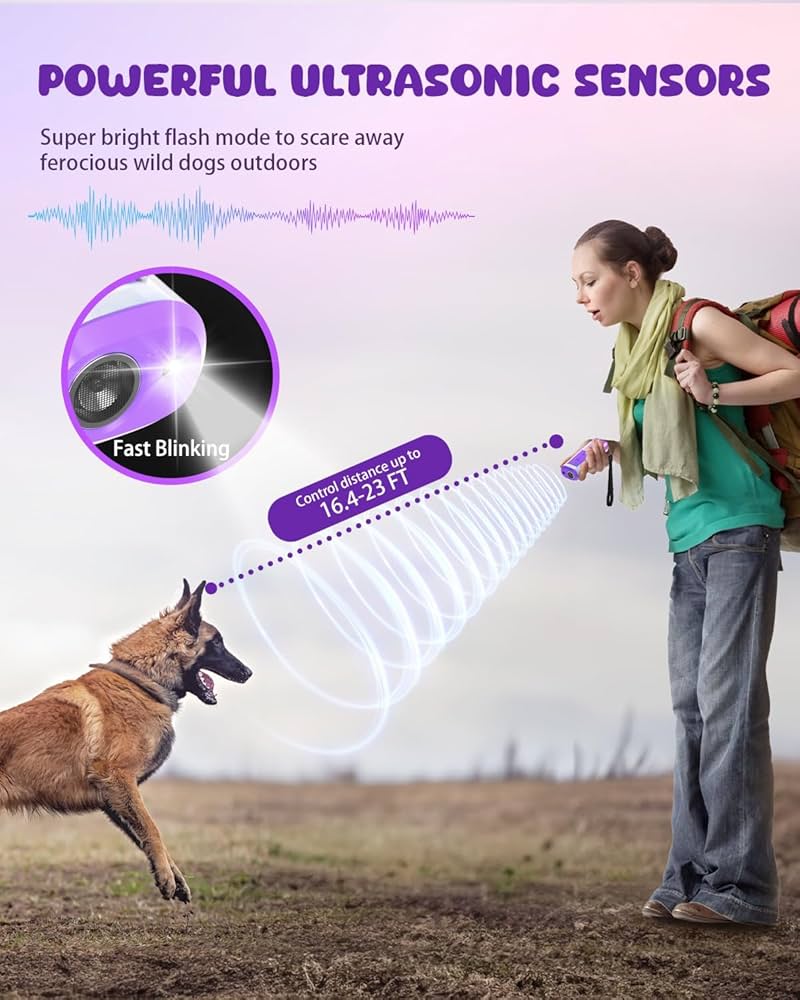
Training your canine companion can be one of the most rewarding experiences, but it also comes with its unique set of challenges. Fortunately, the market is brimming with innovative Dog Training Devices That Work, designed to make the process smoother, more effective, and enjoyable for both you and your furry friend. Gone are the days of relying solely on traditional methods; modern technology and a deeper understanding of dog behavior have led to a plethora of tools that can significantly enhance your training journey.
Whether you’re tackling basic obedience, addressing behavioral issues, or teaching complex tricks, the right devices can provide the structure, consistency, and positive reinforcement crucial for success. From specialized collars to interactive toys and advanced communication aids, these tools are engineered to tap into a dog’s natural learning instincts and motivations. The key lies in understanding your dog’s individual needs and choosing devices that align with your training philosophy and goals.
This guide will explore a variety of dog training devices that work, offering insights into their functionality, benefits, and how to best incorporate them into your training routine. We’ll delve into options that promote positive reinforcement, aid in communication, and help manage challenging behaviors, ensuring you can build a stronger, more harmonious bond with your dog.
Understanding the Spectrum of Dog Training Devices
The landscape of dog training tools is vast, catering to different training styles and specific needs. Broadly, these devices can be categorized by their primary function: reinforcement, communication, containment, and enrichment.
Reinforcement Tools
Positive reinforcement is widely considered the most effective and humane approach to dog training. These tools are designed to reward desired behaviors, making them more likely to occur again.
- Treat Dispensers and Puzzles: These interactive toys challenge your dog mentally while rewarding them with treats. They are excellent for keeping dogs engaged and occupied, reducing boredom and destructive behaviors. Examples include treat balls, puzzle feeders, and snuffle mats. These are fantastic for encouraging independent problem-solving and rewarding patience.
- Clickers: A clicker is a small device that makes a distinct clicking sound. The “click” is used as a marker to precisely indicate the moment a dog performs the desired behavior, immediately followed by a reward (treat, praise, or toy). This precise timing helps dogs understand exactly what they are being rewarded for, accelerating the learning process. The effectiveness of the clicker relies on the principle of classical conditioning, associating the distinct sound with a positive outcome.
Communication Aids
These devices help bridge the communication gap between you and your dog, allowing for clearer understanding and direction.
- Training Whistles: While often associated with recalling dogs, training whistles can be used for various commands. They emit a high-frequency sound that dogs can hear from a distance, and that humans often cannot. Consistency in using specific whistle tones for specific commands is key to their effectiveness. The advantage of a whistle is its consistent tone, which can be more reliable than a verbal cue, especially in noisy environments.
- Remote Trainers/E-Collars: These devices consist of a transmitter (remote) and a receiver worn by the dog, often on a collar. They allow the handler to deliver a correction (vibration, tone, or static stimulation) remotely. When used correctly and humanely, these can be effective for off-leash training and correcting unwanted behaviors that may be dangerous or disruptive, such as running into the street. However, it is crucial to use these responsibly, starting with the lowest stimulation levels and understanding that they are a tool for redirection rather than punishment. For those seeking ethical options, consider best dog e collar for training guides that emphasize humane application.
Containment and Management Devices
These tools help manage your dog’s environment, ensuring their safety and preventing undesirable behaviors.
- GPS Trackers: For owners of escape-prone dogs or those living in rural areas, GPS trackers offer peace of mind. These devices attach to the dog’s collar and allow you to track their location via a smartphone app. This can be a lifesaver if your dog ever gets lost.
- Activity Monitors: Similar to human fitness trackers, these devices monitor your dog’s activity levels, sleep patterns, and even scratching frequency. This data can help identify potential health issues or ensure your dog is getting enough exercise.
Enrichment and Mental Stimulation Devices
Keeping your dog’s mind engaged is just as important as physical exercise for their overall well-being.
- Interactive Feeders: Beyond basic puzzle toys, more advanced feeders can be programmed to dispense food at set times or require complex actions to access. These are great for dogs who eat too quickly or need extra mental stimulation.
- Agility Equipment: For active breeds, agility courses – even simple versions set up in the backyard – can provide excellent physical and mental exercise. This includes tunnels, jumps, and weave poles.
Popular and Effective Dog Training Devices in Detail
Let’s dive deeper into some of the most popular and proven dog training devices that work, looking at their specific applications and benefits.
The Power of the Clicker: Precise Positive Reinforcement
The clicker is a cornerstone for many positive reinforcement trainers. Its effectiveness lies in its ability to provide immediate, unambiguous feedback.
- How it Works: The clicker acts as a “bridge” between the dog performing a behavior and receiving a reward. You “charge” the clicker by pairing the sound with a high-value treat. After a few sessions, the dog associates the click with an upcoming treat. Then, you start clicking the instant your dog performs the desired action – sitting, lying down, coming when called, etc. The click “marks” the exact moment of success.
- Benefits:
- Precision: The click is instantaneous, far quicker than you can typically deliver verbal praise or a treat.
- Clarity: It’s a unique sound your dog doesn’t hear in everyday conversation, making it distinct and meaningful.
- Motivation: When paired with rewards, clicking becomes a highly motivating signal for the dog.
- Best For: Teaching complex behaviors, trick training, clicker training games, and reinforcing subtle actions.
Remote Training Collars: A Tool for Clear Communication (When Used Properly)
Remote training collars, often referred to as e-collars or shock collars (though many modern versions do not use static shock), are a subject of debate. However, when used responsibly and ethically, they can be highly effective dog training devices that work.
- How They Work: A handheld transmitter sends a signal to a receiver on the dog’s collar. This signal can trigger a vibration, a tone, or a low-level static stimulation. The purpose is not to punish, but to interrupt an unwanted behavior or get the dog’s attention when they are distracted. For instance, if your dog bolts towards the road, a vibration or tone can redirect their attention back to you, allowing you to then reward them for responding.
- Benefits:
- Effective for Distractions: Can help recall dogs in highly distracting environments where verbal commands might be ignored.
- Versatile Corrections: Offers different levels of correction to suit the dog and the situation.
- Off-Leash Reliability: Aids in establishing reliable off-leash behavior.
- Responsible Use:
- Fit: Ensure the collar fits properly – not too tight, not too loose.
- Lowest Setting: Always start with the lowest stimulation level and only increase if necessary. Many users find vibration or tone sufficient.
- Timing: The correction must be timed precisely to interrupt the behavior.
- Positive Reinforcement: Always follow a correction with an opportunity to perform the correct behavior and reward it.
- Professional Guidance: It’s highly recommended to seek guidance from a certified professional trainer when using these devices. Researching petsmart dog training collars can provide insights into available options, but professional advice is paramount.
Dog Doorbells for Potty Training: A Simple Yet Effective Solution
Potty training can be one of the most frustrating aspects of bringing a new puppy home. Dog potty training with bell systems offer a straightforward way to communicate a dog’s need to go outside.
- How They Work: A simple bell or a series of bells are hung from a door handle. Each time the dog needs to go out, you encourage them to ring the bell (often by luring them with a treat or tapping it). When they successfully ring it, you immediately take them outside. Over time, the dog learns to associate ringing the bell with the reward of going outside to relieve themselves. This consistent association is key.
- Benefits:
- Clear Communication: Provides a clear signal from the dog to the owner.
- Reduces Accidents: Helps prevent accidents inside by responding to the dog’s cues promptly.
- Empowers the Dog: Allows the dog to communicate their needs proactively.
- Tips for Success: Be consistent with taking your dog out immediately after they ring the bell. Celebrate their success with praise and a small treat. Patience is vital, as some dogs take longer to grasp the concept than others.
GPS Trackers: Peace of Mind for Wandering Pups
For owners of adventurous or escape-artist dogs, a GPS tracker is an invaluable tool.
- How They Work: These small devices attach to your dog’s collar and use GPS technology to pinpoint their location. You can then view their location on a smartphone app or web interface. Many also feature “geofencing,” which alerts you if your dog crosses a virtual boundary you’ve set around your property.
- Benefits:
- Lost Dog Recovery: Significantly increases the chances of finding a lost dog quickly.
- Activity Monitoring: Some advanced models also track activity levels, providing insights into your dog’s health and exercise.
- Security: Offers reassurance for owners of dogs prone to bolting.
- Considerations: Battery life, subscription fees (for cellular-based trackers), and durability are factors to consider when choosing a GPS tracker.
Integrating Devices into Your Training Plan
Simply owning these dog training devices that work isn’t enough; they need to be integrated thoughtfully into your training plan.
Consistency is Key
Regardless of the device, consistency is paramount. Use the clicker every time, ensure everyone in the household uses the potty bells, and maintain a regular schedule for remote collar training sessions. Dogs thrive on routine and clear expectations.
Start Simple
Don’t overwhelm your dog (or yourself) with too many new tools at once. Introduce one device at a time, focusing on mastering its use before adding another. For example, master basic recall with a clicker and treats before introducing a remote collar for more challenging environments.
Understand Your Dog’s Needs
Every dog is an individual. A high-energy Jack Russell Terrier will benefit from different tools than a senior Basset Hound. Observe your dog’s personality, motivations, and learning style to choose the most appropriate devices. Some dogs respond best to food rewards, while others are more motivated by toys or praise.
Prioritize Positive Reinforcement
Even when using tools like remote collars, the foundation of your training should be positive reinforcement. These devices are best used to enhance communication and manage unwanted behaviors, not as a primary method of punishment. Look for guides on dog training devices that work to understand how to blend these tools with positive methods.
Seek Professional Guidance
If you’re unsure about using certain devices, especially remote trainers or complex puzzle toys, consult a qualified professional dog trainer. They can help you select the right tools and demonstrate how to use them effectively and humanely. They can also help troubleshoot issues, such as a dog not responding to a nvk dog training collar charger or a training bell.
Addressing Common Concerns and Misconceptions
There’s often a great deal of misinformation surrounding dog training tools. Let’s address some common concerns.
“Are e-collars cruel?”
As mentioned, the ethical use of e-collars is crucial. When used correctly, at appropriate levels, and with a focus on positive reinforcement, they are not inherently cruel. They are tools that, like any tool, can be misused. Responsible trainers use them to redirect unwanted behaviors or reinforce commands in distracting environments, always prioritizing the dog’s well-being. The goal is clear communication, not causing pain or fear.
“Will puzzle toys make my dog anxious?”
For most dogs, puzzle toys and treat-dispensing toys are a source of mental enrichment and can actually reduce anxiety by providing an outlet for pent-up energy and mental stimulation. However, if a dog becomes overly frustrated or aggressive with a puzzle toy, it might be too difficult, or the dog may need to be gradually introduced to it. Start with easier toys and gradually increase the difficulty.
“Are bells really effective for potty training?”
For many owners and dogs, yes, they are highly effective. The success hinges on consistency and the owner’s prompt response. If you ignore the bell, the dog learns it’s pointless. If you punish accidents after they’ve used the bell, they become confused. When used correctly, bells provide a clear, proactive communication channel that significantly reduces indoor accidents. This is a prime example of a simple yet effective tool for dog potty training with bell systems.
The Future of Dog Training Devices
The evolution of technology continues to influence the development of dog training devices that work. We can expect to see even more sophisticated tools emerge:
- AI-Powered Training Aids: Devices that can analyze a dog’s behavior and provide real-time feedback or adjust training programs automatically.
- Biometric Feedback Collars: Collars that monitor not just location and activity, but also stress levels, heart rate, and other physiological indicators, providing a deeper understanding of a dog’s emotional state during training.
- Virtual Reality for Dogs: While futuristic, imagine VR scenarios to desensitize dogs to specific fears or practice complex tasks in a controlled environment.
Conclusion: Empowering Your Training Journey
Choosing the right dog training devices that work can significantly enhance your ability to communicate with, train, and bond with your dog. From the precise feedback of a clicker to the clear communication offered by remote trainers and potty bells, these tools empower owners to foster well-behaved, happy, and confident canine companions. Remember that no device is a magic bullet; they are most effective when used consistently, humanely, and as part of a comprehensive training plan built on trust and positive reinforcement. By understanding your dog and leveraging the right tools, you can create a story of success, one well-trained bark at a time.
