
Searching for “Dog Training Courses Near Me” can feel overwhelming with so many options available. Whether you’re looking to train a new puppy, address behavioral issues, or simply strengthen your bond with your canine companion, finding the right training program is crucial. This guide will help you navigate the world of dog training, offering insights into what to look for, different training methodologies, and how to find a course that fits your needs and your dog’s personality.
Why Invest in Professional Dog Training?
While many dog owners can teach basic commands, professional training offers a structured approach that benefits both you and your dog. It’s not just about teaching your dog to sit or stay; it’s about fostering clear communication, building trust, and creating a well-behaved member of your family. Professional trainers can help with:
- Socialization: Crucial for puppies to develop into well-adjusted adults, learning to interact positively with other dogs and people.
- Behavioral Problem Solving: Addressing issues like excessive barking, chewing, jumping, leash pulling, and aggression.
- Obedience Training: Teaching essential commands for safety and control, making everyday life with your dog more enjoyable.
- Advanced Training: For those interested in dog sports, therapy work, or service dog tasks.
- Strengthening the Bond: Training is a fantastic way to deepen the connection between you and your dog through positive interaction and mutual understanding.
Types of Dog Training Courses
When you search for “dog training courses near me,” you’ll encounter various training styles and course formats. Understanding these can help you choose the best fit:
1. Positive Reinforcement Training
This is the most popular and widely recommended training method. It focuses on rewarding desired behaviors with treats, praise, or toys, making training a positive and enjoyable experience for the dog. It builds trust and strengthens the human-animal bond. Many reputable trainers emphasize positive reinforcement techniques.
2. Clicker Training
A specific type of positive reinforcement, clicker training uses a clicker to mark the exact moment a dog performs the desired behavior, followed by a reward. The consistent sound helps the dog understand precisely what they are being rewarded for.
3. Obedience Classes
These are typically group classes that teach basic commands such as sit, stay, come, down, and heel. They are excellent for socializing puppies and dogs while learning foundational skills.
4. Puppy Training Classes
Specifically designed for young puppies (usually starting around 8-10 weeks), these classes focus on early socialization, basic house training, and foundational obedience. It’s a critical period for learning, and puppy classes set the stage for a well-behaved adult dog.
5. Specialized Training
This category includes classes for:
- Agility: Navigating obstacle courses.
- Rally Obedience: A sport combining obedience with agility elements.
- Canine Good Citizen (CGC): A certification program demonstrating a dog’s good manners in the community.
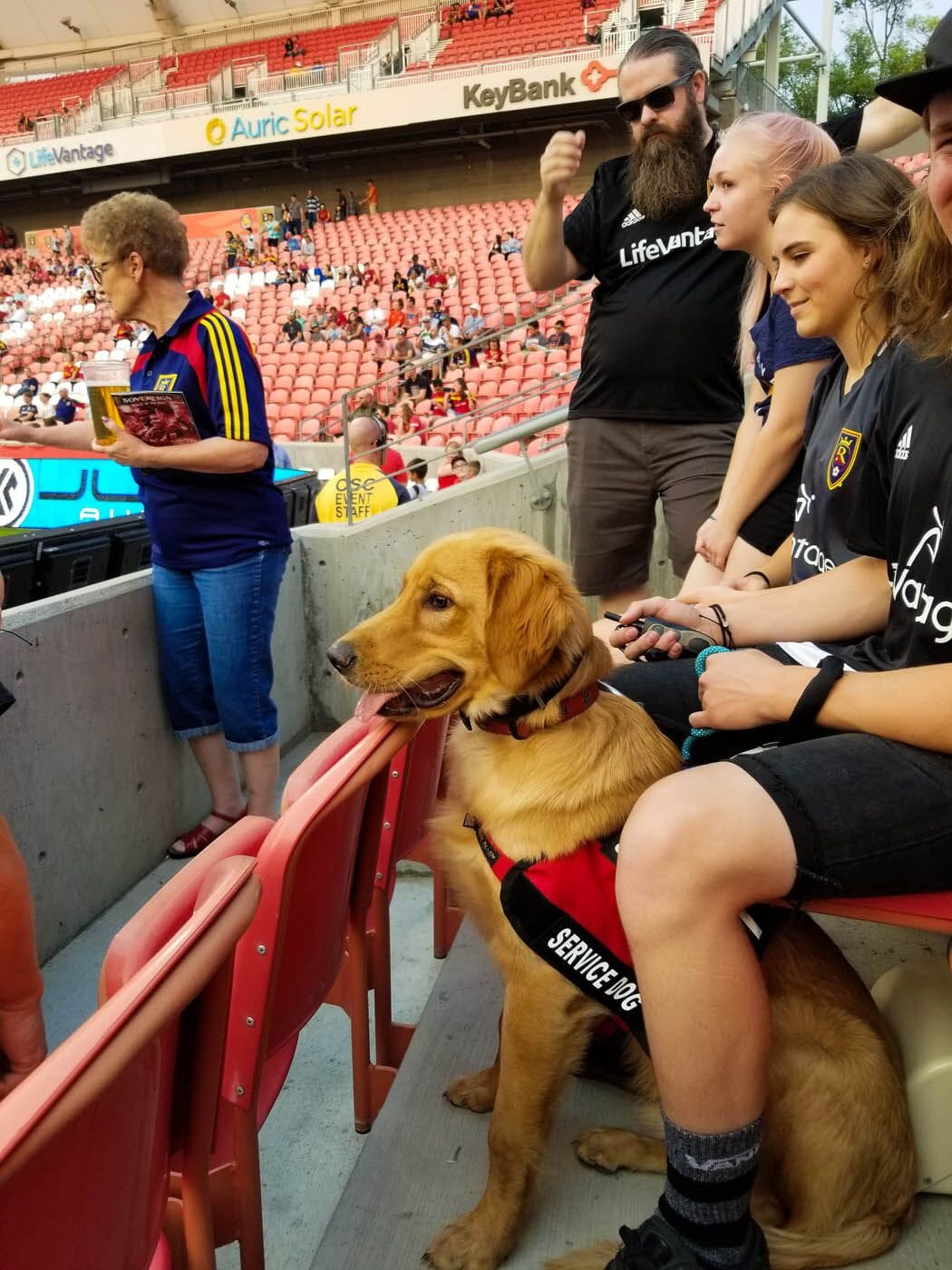
- Service Dog Training: Preparing dogs for specific tasks to assist individuals with disabilities. Finding quality service dog training prices can be a significant factor for many owners.
- Behavioral Modification: For dogs with more complex behavioral issues that require specialized intervention.
What to Look for in a Dog Training Course
When evaluating “dog training courses near me,” consider these essential factors:
1. Trainer Qualifications and Experience
- Certifications: Look for trainers certified by reputable organizations like the Certification Council for Professional Dog Trainers (CCPDT) or the International Association of Animal Behavior Consultants (IAABC).
- Experience: How long have they been training? Do they have experience with your dog’s breed or specific behavioral issues?
- Philosophy: Ensure their training philosophy aligns with yours, particularly their stance on positive reinforcement versus punitive methods.
2. Class Environment and Size
- Small Class Sizes: More individualized attention for your dog.
- Safe and Clean Facilities: The training space should be well-maintained and secure.
- Positive Atmosphere: The environment should feel encouraging and supportive for both dogs and owners.
3. Curriculum and Methods
- Clear Learning Objectives: Does the course outline what your dog will learn?
- Focus on Positive Methods: Avoid trainers who rely heavily on harsh corrections, intimidation, or force.
- Inclusion of Owner Education: A good course will teach you how to train and manage your dog effectively at home.
4. Reviews and Testimonials
- Online Reviews: Check Google, Yelp, and other platforms for feedback from past clients.
- Word-of-Mouth: Ask friends, family, or your veterinarian for recommendations. Many owners find great success through local dog training clubs near me.
5. Trial Classes or Consultations
- Offer a Free Consultation or Trial Class: This allows you to observe the trainer’s methods and see how your dog responds before committing.
Finding Local Dog Training Resources
When you’re ready to find “dog training courses near me,” here are practical steps:
- Ask Your Veterinarian: Vets often have trusted recommendations for local trainers and training facilities.
- Search Online: Use specific search terms like “puppy obedience classes [your city],” “aggression training for dogs [your area],” or “service dog training schools near me.”
- Check Local Shelters and Rescues: Many adoptable dogs benefit from training, and these organizations often partner with or recommend local trainers.
- Explore Dog Training Jobs Hiring Near Me: Sometimes, trainers seeking employment opportunities might be available for private lessons or have ties to local training centers.
- Consider Private Lessons: If group classes aren’t suitable, one-on-one sessions can offer tailored instruction, especially for specific challenges. The investment in private lessons often reflects the service dog training prices you might encounter, focusing on intensive, personalized results.
Popular Dog Breeds and Training Considerations
Different breeds have different temperaments and training needs. While this is a generalization, understanding breed tendencies can be helpful:
- Herding Breeds (e.g., Border Collies, Australian Shepherds): Highly intelligent, energetic, and eager to please. They thrive with mentally stimulating training and consistent routines.
- Sporting Breeds (e.g., Retrievers, Spaniels): Often eager to please, trainable, and enjoy activity. They do well with positive reinforcement and enjoy activities like fetch and agility.
- Terriers (e.g., Jack Russell, Scottish Terrier): Known for their determination and sometimes stubborn nature. They require patient, consistent training with clear boundaries.
- Hounds (e.g., Beagles, Basset Hounds): Independent thinkers, often driven by scent. Training requires patience and creative rewards to keep them engaged.
- Working Breeds (e.g., Dobermans, Boxers): Loyal and intelligent, they often excel in advanced training and can be protective. Early socialization and firm, fair training are key.
Regardless of breed, consistency is paramount. Finding a “dog training murphy tx” or any location-specific service implies a need for hands-on, local expertise.
Making the Most of Your Training Experience
Once you’ve enrolled in a course, your active participation is key:
- Be Patient: Every dog learns at their own pace.
- Be Consistent: Use the same commands and reward system every time.
- Practice Regularly: Short, frequent training sessions are more effective than long, infrequent ones.
- Stay Positive: Training should be a rewarding experience for both you and your dog.
- Communicate with Your Trainer: If you’re facing challenges, don’t hesitate to ask for advice.
Investing time and resources into dog training courses is one of the most rewarding decisions you can make for your dog and your relationship. By understanding your options and looking for qualified professionals, you can find the perfect training program to help your dog become a happy, well-behaved companion.
